

Which Higher Education Furniture Works for Students and Staff?
A campus room has to cope with very different people and routines. A student may be writing alone one minute and joining a group the next. The staff member still needs to see the room, reach supplies, and reset it between classes. GOJO supplies furniture for business and learning environments. The practical choice in higher education furniture is not the most fashionable desk; it is the combination that works for the room, the timetable, and the people who use it.
What Should a Higher Education Desk Do?
Start with what happens in the class. The shape of the desktop comes later. A desk has to support writing, screens, discussion, movement, and supervision in the same week.
Support Individual Work
For reading, writing, or laptop work, students need a stable surface, enough elbow room, and leg clearance that does not force a twisted posture. Check how the desk works when a bag, notebook, and device are all present. A narrow top can appear efficient until students begin sharing it with everyday items.
Allow Fast Changes Between Activities
One class can change from a short lecture to paired work in a few minutes. Tables and chairs should leave a reasonable route for students to turn, join a group, and return to an individual position. The less effort a room needs to change, the more useful the furniture becomes across the timetable.
Give Staff Visibility and Access
Staff need to see the room, reach teaching materials, and move to a student without navigating around a dense cluster of furniture. Include the instructor position, display area, storage, and emergency route when checking a layout. A student-centered room still needs to work for the person responsible for the class.
How Do Layout and Seating Affect Learning Spaces?
The furniture quietly changes how a class works, which is why higher education furniture should be tested in the room rather than judged from a catalogue. The same room can feel closed, collaborative, or easy to supervise depending on the distance and direction of its furniture.
Use Tables for the Real Group Size
Put the expected group in the room and let them work with their real materials. Do not judge a collaborative classroom furniture plan from empty tables. The working distance, chair movement, and access to shared equipment become visible only when the room is occupied.
Choose Seating for the Session Length
A student will notice an uncomfortable seat long before remembering its product name. Seat height, back support, movement, and the way the chair works with the desk should be checked during a representative session. Staff may also use the room for several classes, so quick repositioning and stable handling matter too.
Keep Routes Clear for People and Equipment
Take the measurement with the chairs pulled out. Add the trolley, cleaning cart, or teaching equipment that staff actually move through the room. Clear routes help staff reset the space and reduce small interruptions during class. They also make the layout easier to adapt when one group needs a different arrangement.
Which GOJO Product Directions Can Buyers Compare?
A product page can narrow the search for higher education furniture, but the room plan still has the final say.
BEI ER for Training and Teaching Rooms
BEI ER training furniture is a relevant direction when buyers need furniture for a room that combines instruction and participation. Review the relationship between the desk, chair, display area, and route behind the seating. The product should be considered as part of the room, not as a stand-alone object.
WBA for Flexible Student Settings
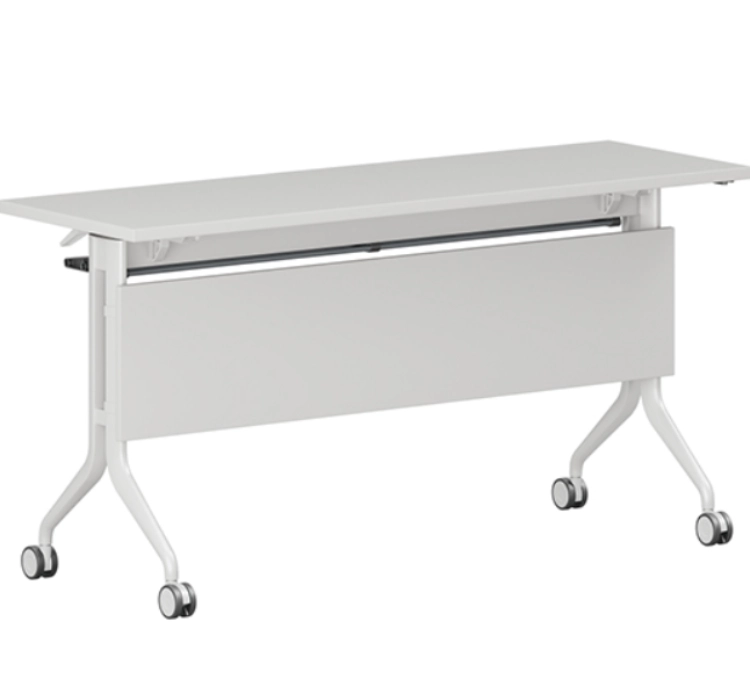
WBA training furniture can be compared where a school needs a practical furniture direction for changing student activities. The key checks are surface use, chair movement, storage access, and how quickly the room can be rearranged. A flexible product is useful only if staff can handle the change without excessive effort.
TDA for a Clearer Room Plan
TDA training furniture gives buyers another reference for reviewing the furniture family used in a higher education project. Compare its role with the timetable, room size, and number of users. A coherent family can make ordering and replacement easier, but the room still needs product-level checks before approval.
What Should Buyers Check Before a Campus Order?
Campus orders for higher education furniture become much easier when the team talks about use, cleaning, and the next order before the first shipment leaves.
Review a Used Layout, Not Only a Product Sample
A single chair or desk cannot reveal congestion at room level. Build a representative layout and run four common modes: lecture, paired discussion, group work, and examination. For each mode, record the user count, occupied routes, chair handling, access to storage and teaching equipment, reset time, and any point where staff movement or sight lines are obstructed. This turns a sample review into an approval record rather than an informal comfort check.
Record Materials and Cleaning Needs
For every approved desk and chair, record the exact model, dimensions, desk-to-chair relationship, applicable load information supplied for that model, movement method, visible materials, cleaning instructions, hardware points, and replaceable components. Add warranty, installation, packaging, reorder reference, and the drawing or sample used for approval. Facilities staff should be able to identify and maintain the item without relying on appearance alone.
At supplier level, Huasheng’s approximately 500-square-metre testing center has 75 major testing devices and covers more than 80 physical, chemical, and reliability test projects. It holds CNAS recognition and operates under ISO/IEC 17025 management requirements. Buyers should still ask which test or inspection record applies to the selected model, material, and order rather than treating laboratory capability as a product-specific result.
Plan for Reorders Across the Academic Year
A campus rarely buys only once. Keep a controlled schedule showing the model, dimensions, finish, packaging, approved sample or drawing, installation notes, warranty reference, and replaceable parts for each room type. Use the same schedule when reordering so a replacement chair or table does not merely look similar while differing in movement, cleaning, or its relationship with the rest of the layout.
- A campus room has two customers at the same time.Students need a surface that works for writing, devices, and shared tasks; staff need to teach, observe, move, clean, and reset the space. A workable higher education furniture plan records both routines instead of counting seats and stopping there. Ask who moves the tables, who stores the equipment, and what happens between two different classes.
- Room trials should include the small frustrations that drawings omit.Let a student open a laptop, place a notebook beside it, and leave the seat with a bag nearby. Let a staff member reach teaching material while several chairs are occupied. These simple actions reveal whether a desk edge, chair footprint, or storage position interferes with the timetable. They also help buyers compare higher education furniture by observed use rather than by a product label.
- Future changes matter as much as the first timetable. A room may host lectures in the morning, group work in the afternoon, and examinations later in the week. Furniture that staff can handle with the approved movement method gives them more control, but only when the routes and storage plan support the change. Include a reset routine and responsibility for moving each item in the approval review.
- Use the teaching mode to decide the furniture priority.Lecture-led rooms favor clear sight lines, stable writing surfaces, and staff access. Discussion rooms need group relationships and easy entry. Examination layouts prioritize separation and repeatable positioning. Mixed-use rooms need manageable movement, a defined storage point, and a reset process that fits the timetable. If one room cannot meet every mode without congestion, specify it for the dominant activity instead of promising unlimited flexibility.
For a related decision framework, read What Education Furniture Makes Collaborative Classrooms More Effective before finalizing the specification.
Conclusion
Choose higher education furniture by the dominant teaching mode, occupied room layout, staff routine, cleaning process, and reorder plan. Reconfigurable pieces suit rooms that genuinely change between activities and have staff, routes, and storage to support the reset. Fixed or simpler arrangements are safer when supervision, examination setup, stability, or rapid repeatability matters more than frequent change. Before ordering, approve the exact model and dimensions, desk-chair relationship, movement method, materials and care, applicable load information, installation, warranty, replaceable parts, and reorder record.
Contact
Use the contact page to share the application, quantity, dimensions, and questions before the next review.
FAQ
What furniture is suitable for higher education classrooms?
Choose tables and seating according to teaching mode, group size, movement, staff visibility, storage, and the room’s maintenance routine. A product should be tested in an occupied layout before a large order.
Should colleges choose movable desks?
Movable or reconfigurable furniture can help when classes change format, but it must be easy for staff to handle and must not reduce clear routes or stability.
What should be included in a campus furniture brief?
Include room measurements, class activities, user count, desk and chair requirements, storage, cleaning, delivery, installation, and future reorder needs.


