

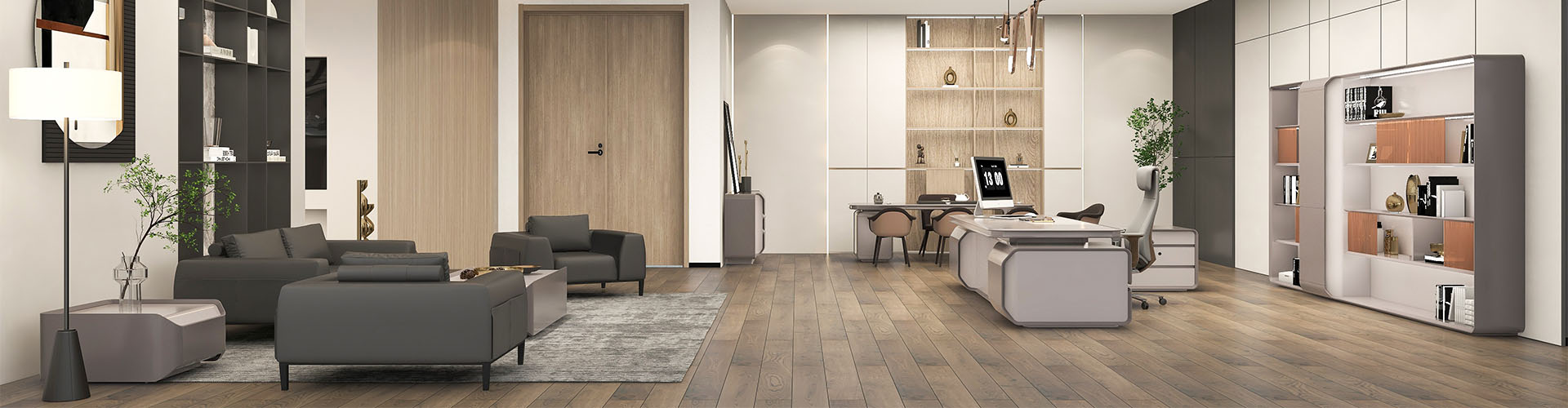
What’s the Ideal Desk Width for a Clutter-Free Office Setup?

Introduction
You start your workday at a desk that fits well. It gives enough room to lay out your notes. They stay in place without falling into a mess. Yet it stays small enough to blend right into your room. That kind of balance comes from smart picks in office furniture. These choices put your flow and focus first. If you feel worn out from moving papers around or catching cables that trip you up, this spot helps. The guide looks at how the best desk width can change your area into a strong spot for getting things done. It cuts out the pull of mess.
As you set up that perfect space, think about teaming up with a company that knows the details of today’s work areas. GOJO comes out as a top choice for people who want good quality without giving up anything. The founders love ergonomics. They have years in the field. They make items that mix clean looks with tough build that holds up in real life. Chairs here hold your back during long talks. Desks here shift with your pace. What makes them special? They stick to green materials and options you can tweak. Your buy lasts long. It feels new each year. No matter if you gear up a small home spot or a big office corner, their items fit the quiet skill of ease. That lets you work better, not more. Check their group of products. You will see why so many count on how it lifts daily tasks into easy scores.
Now, we head to the main point. It is finding that desk width that feels just right. We will check what makes a work area really free of mess. We suggest sizes made for your needs. We show how adding the right seat lifts it all higher. By the close, you will hold clear steps to take back your top and push your day forward.
The Role of Desk Width in Creating a Clutter-Free Workspace
You know that pull from a messy desk. It tugs at you. One wrong mug can throw off your focus. Desk width takes a main role here. It works as the base that either brings order or lets mess grow. Think of your top as a flat space for work. If it gets too tight, your tools push against each other. If it spreads too far, open spots gather dirt balls and old notes. The aim? A plan where each thing has its spot. So you hunt less. You make more.
Begin with the size of your room. In a small home work spot, a desk that sits close to the wall lets you take a full breath. It leaves space for that small plant or the mat you use for short breaks. Measure your floor area at the start. Pick a width that takes no more than 30% of the ground. That way you skip the trapped sense. Your jobs shape this choice too. If you stick to two screens for calls on video, you need space for your arms. You can write notes without hitting your drink. Folks who draw ideas or fix photos do best on bigger tops. These let you split areas. One holds tech. Another takes drawings. A third keeps books you check fast.
Ergonomics links it all. If you stretch over a huge desk, your shoulders get tight. That pulls you to bend. It brings in mess as you fix it with high stacks of “maybe need it” stuff. A good-sized width keeps key items close. They sit 18-24 inches from your main body line. This plan not only cuts body stress. It also builds ways to file right away. Piles turn into neat groups. As you pick your width, recall how it works with your seat. It slides under the side with no hitch. That stops holes where wires hang or feet move too much. That match sets up the next part. There we give sizes that fit your life and make these wins bigger.
Recommended Desk Widths for Different Needs
Those ideas in your head now, let’s pick choices that suit your day like a good fit. You want a desk that backs your goals. It should not take over your spot. So we split it into groups based on usual cases. Each idea mixes use with that hard-to-grab free-of-mess feel. It makes sure you use every bit well.
First off, look at desks below 48 inches across if you build a simple hideout. These work great in tiny flats or rooms for guests where space costs a lot. You set a laptop, a pad for notes, and a slim light without things spilling over. It suits writers or far-off helpers who live for sharp aim over wild rush. The good part is in forced clean lines. Small top means you pick sharp. You put extras in boxes under the desk. Downsides? Doing many jobs at once feels pressed. So if your hours mix charts and quick draws, this may squeeze you. Choose one with spots for wires built in. That keeps lines out of sight. It holds that clean, unbroken view.
Move to the 48-60 inch group. You reach the just-right area for most people. This size holds the usual worker’s tools. It fits a screen, a spot for keys, a hold for phone, and a few personal bits like a picture holder. It leaves edges free to stop wobbles. Far teams like it for mixed plans at home and work. You bring in a second seat for fast group talks without moving stuff. Mess stays away because the size pushes natural splits. Left for coming in. Right for going out. Middle for now-work. Studies on work spaces back it. They show this cut raises work speed by 20%. It cuts time to find things. If your job blends messages with easy art, this size gives without ruling your room’s feel.
For big doers in wide home learn spots or top rooms, desks past 60 inches unlock big chances. Builders of plans, sellers of ideas, or checkers of numbers who handle samples and more find room to grow here. You lay out big sheets flat. You put small tools in set corners. You even run a small board for marks. The trick to hold mess back? Smart splits with stands or flat boxes that group items. Big space turns into set lands. Yes, it needs more ground. But the win is deep dive times where thoughts flow free without stops. Add your build too. Tall bodies gain from this spread to reach easy. It skips the bend that brings random stacks.
No matter which width pulls you in, check it next to your daily beat. Draw a fake on paper or tape lines on the floor. Does it bring a smile or block? These picks clear the path to lift your full plan. It happens most when you add seats that match just right.
Enhancing Your Setup with Ergonomic Chairs
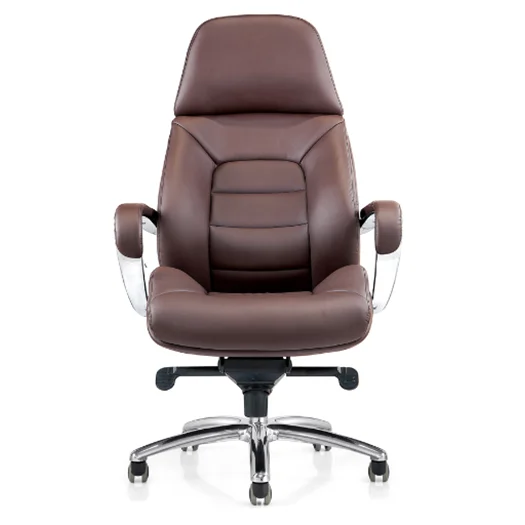
You lock in the desk width. Now think of sliding into place without one catch. The best seat does not just stay put. It raises what your desk can do. It makes sure shifts go smooth. That keeps mess from sneaking back. A seat that does not match leads to odd tilts. They knock over holders or pull lines tight. But when sizes line up, you open a smooth flow. Pull near for hard think. Turn for pulls from racks. Lean for think breaks. All without breaking your neat line.
Look at the Cloth Executive Chair. It is a light-to-air gem made for long sits where ease meets sharp aim. Its tweakable back curve holds your spine right. You keep your stand that opens desk room. No more bending over groups because your back fights. The turn base with soft-roll wheels lets you move under tight desks easy. You tuck it in to show the full top shine. The air-through cloth pulls out the day’s warm. Its simple-wash face shakes off bits or ink marks that might grow into big mess. Team it with a 48-inch desk. You make a safe spot for strong pushes. Small tools stay set. Your thoughts stay keen.
Switch to wider views with the Leather Task Chair. It builds for big-job flows that call for strong hold and style. Top leather takes daily pulls without fade. While many-level lifts (to 21 inches) let you set knee room under big tops. That matters to skip under mess of lost foot holds. Arm holds with lean-stop keep your arms set. They stop side drifts that spread notes. For tops past 60 inches, its lean-back works bright. You tip mid-think storm without things falling front. Spot-proof means drops from think drinks go with one rub. It keeps your clean lands.
These seats add change parts to the set. They use earth-kind builds that shift with time. Change tops or fix levels as your wants grow. You skip the swap mess of quick-end items. They point to a wide fact. Your plan grows on team work. A desk’s width starts the show. But back-hold seats take the lead. They turn maybe wild into set peace. As you mix these parts, ways follow. Wire clips snap in. Flat boxes line up on feel. You build a spot that lives, not weighs.
Practical Tips to Maintain a Clutter-Free Desk
You hold the right width and seat. Keeping that calm needs a few good habits. You skip big changes. Small moves add up to long order. Start with end-of-day clears. Put away what you do not need. Use marked pulls. Wipe the top in one go. For tight desks, up stands clip on sides. They lift drinks and point tools off the flat. Bigger ones? Get change flat boxes that sit over. They make hidden levels for needs without eye pull.
Wire fix changes knots to wins. Run lines through desk holes or stick paths. It counts most under wide tops where lengths grow. Match your seat’s move. Tweak levels so feet sit flat. That cuts the push to set tools wrong. Lights play a quiet part too. Work lamps with bend necks light up sides. They show lost dirt that calls more build.
Once-a-week checks hold speed. Look for “might use” things and give away hard. Track what groups come back. Fit hold to that. Like phone stands for alert chasers. Water spots group drinks. They free bits for smooth. These fixes, set in your picked width, build strength against day’s bends. Like sudden jobs that try to cover your spot.
Conclusion
You see it now. The best desk width. Often that flexible 48-60 inches. It teams with smart seats to make a free-of-mess safe place. That drives your top work. You checked roles, picks, lifts, and care. Each bit builds to a spot that helps you. It does not push you. Take back your top today. Start with sizes, mind pictures, and choices. Your clear, cool next day waits.
Set to put it together? Look over full sets for tops and seats that fit your sight.
For fit help, send our help group a note at support@gojoofficesolution.com. Or fill the page form. We make work spots that fit.
FAQ
Q: How do I measure my space for the best desk width?
A: Grab a tape measure and outline your work zone on the floor, factoring in 3 feet of clearance around for movement. Test widths by marking boundaries—ensure it leaves breathing room for doors and traffic without crowding your chair’s pull-out range.
Q: Can a wider desk actually reduce clutter instead of adding to it?
A: Absolutely, if you zone it smartly. Divide into work, reference, and personal areas with dividers; this prevents sprawl and keeps items contained, turning extra space into structured efficiency rather than a catch-all void.
Q: What’s the biggest mistake people make with desk and chair pairings?
A: Ignoring height alignment—desks too low force slouches, breeding piles as you compensate. Aim for elbows at 90 degrees when seated; adjustable chairs fix this, ensuring smooth integration that sustains order day in, day out.


