

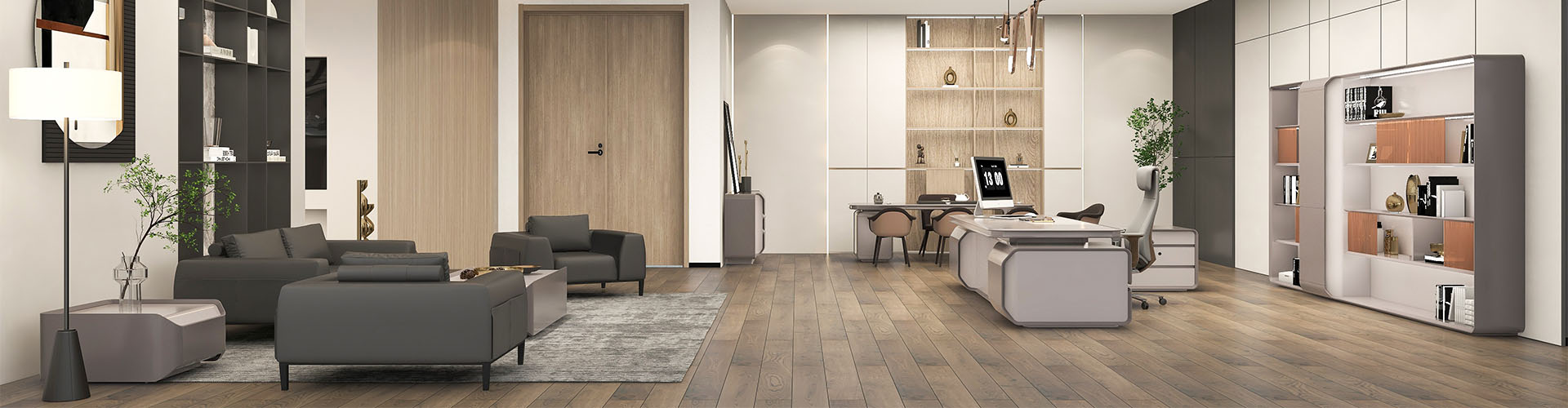
What’s the Difference Between Commercial and Residential Furniture for Your Office
People frequently claim that the finest workspaces resemble a home setting, yet when selecting the furnishings essential to your business workflow, the contrast between comfort intended for living and the precise engineering of commercial items often dictates your company’s staying power and productivity. This selection is a fundamental choice between a consumer product and a capital asset.
Before diving into the technical points that set these categories apart, we invite you to recognize the specialized skill that fortifies dependable business environments globally. Over almost twenty years, GOJO has grown its standing, not simply as a producer, but as a devoted collaborator in providing premium commercial engineering items. This deep focus is supported by a strong system: eight significant production centers, covering about 300,000 square meters of space. This entire setup focuses only on meeting the tough requirements of contract settings, bringing together research, strict quality checks, and full after-sale support. GOJO operates on the core principle that commercial furnishings are a valuable asset for the long run, not just something you buy quickly. This viewpoint demands materials and layouts built to survive the demands of business life—from the nonstop foot traffic in a main entrance to the ongoing, many-hour stress placed on a manager’s seat. When you select an engineering provider, you commit to enduring quality, safety compliance, and consistent style across large projects, guaranteeing your physical workspace investment lasts through changing times and use. This powerful base of expert knowledge and large production capacity is precisely what allows companies to furnish their locations with total trust.
The Core Difference: Durability and Structural Standards
The most important point separating commercial and residential furniture involves what is expected of its physical strength and lifespan. Items intended for home use are designed for short, personal moments; commercial pieces must resist the constant, varied pressures of a bustling, high-volume environment.
Built to Last: The Strict Testing Requirements
When you equip your office, you are not buying a simple seat for one person to use every so often; you are supplying key gear that might be used by several employees for eight to twelve hours each day, five or more times per week. This clear necessity demands an entirely different approach to design, one centered on enduring structural resilience.
Furniture made for home use is rarely subjected to recognized, independent performance examinations. Conversely, commercial-grade furniture is made to hit strict targets, ensuring that all its parts can survive far beyond what a typical home application would ever need.
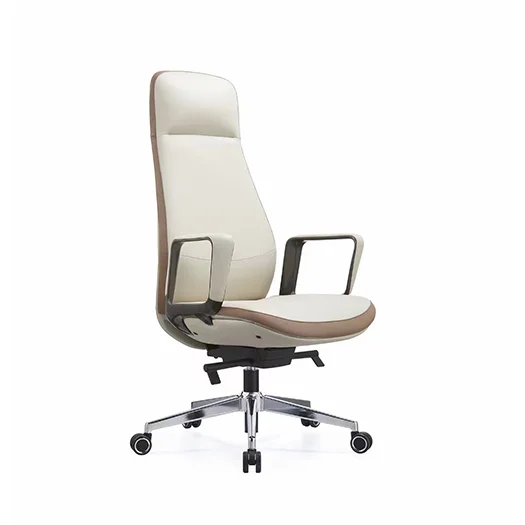
Think about the base of any successful day: the chair used in the office. The gas lift and wheels of a home-use chair might quickly wear out from the constant stress of adjustments and moving across various floor types. A commercial chair, however, is constructed to easily handle this continuous pressure. For example, the GOJO High-Performance Ergonomic Task Chair (Breathable Mesh & Premium Leather) is designed using a strong aluminum alloy base and certified gas spring parts, which have been severely tested for tens of thousands of cycles. This guarantees that the key features—like seat height change and tilt control—stay smooth, safe, and dependable year after year, lowering costs for replacement and keeping the office running smoothly. You are investing in a proven work tool, not a temporary convenience.
Structural Integrity: The Unwavering Foundation of Workstations
The gap widens further when looking at large surfaces like desks and conference tables. Tables for the home usually depend on simple connections and composite board, which can start to dip, twist, or become shaky when they hold heavy or constant loads.
Business furnishings demand real firmness in their structure. For example, in our Modular Executive Workstation System (Powder-Coated Steel & Engineered Wood), the basic frame uses strong, specially made steel supports or thick, layered wood materials. This provides two main advantages over residential construction: Superior Load Bearing, which confirms the surface can comfortably support multiple screens, computer hardware, and big piles of documents without bending or losing its firmness; and Long-Term Alignment, where the rigid build keeps the pieces aligned over time, resisting the side pressure from people leaning on the edges or moving the table, which often causes joint failure in home pieces.
You put money into a surface that stays level, firm, and ready for work, decade after decade, securing your investment against premature wear and tear.
The Functional Difference: Ergonomics and Workplace Efficiency
Apart from simply surviving the workday, commercial furniture is designed with a specific focus on maximizing human performance and adhering to necessary safety guidelines. The function of the furniture is directly linked to employee health and how productive the company is overall.
Engineered Ergonomics: Protecting Your Greatest Asset
Home chairs might look nice and feel soft, but they seldom supply the complex, body-correct support needed for continuous concentration. This is exactly where the commercial category truly proves its worth. Residential items are about sitting down; commercial items are about supporting work.
Commercial ergonomic chairs are not just padded seats; they are intricate instruments meant to maintain correct posture. They come equipped with adjustments across multiple axes, features that are vital for customizing the seat to the user. These adjustments include Synchronized Tilt Mechanisms, which allow the seat back and the seat base to move together in a set proportion, helping to keep the hip angle correct; Adjustable Lumbar Support, which permits users to place support exactly where their spinal curve requires it; and Multi-Directional Armrests, which move in height, width, depth, and angle to support the shoulders and reduce muscle tension.
These kinds of features, common in High-Performance Ergonomic Task Chair (Breathable Mesh & Premium Leather) series, are crucial. By helping people keep the right posture during long working hours, you reduce the chance of muscle and joint issues, lessening possible downtime, and helping staff focus better. A dedicated commercial item is a forward-looking investment in staff health and output, a concern that simply does not exist when fitting out a home office.
Public Safety and Material Compliance: Beyond Mere Aesthetics
In a business, heavily trafficked place—whether it is a main reception or an employee lounge—the furniture must satisfy safety rules that protect everyone who uses the space. Home standards for fire safety, chemical emissions, and material strength are far less strict than those required for public areas.
The selection of materials for commercial sites is driven by practical need, not merely by the latest trends. This fact is highly important for upholstered pieces. A home sofa might favor soft, light foam for a feeling of sinking in. A commercial piece must prioritize safety and lasting strength. Commercial seating uses foam that is both high-density and high-resilience (HR). This substance stops the cushion from losing its shape, meaning the seats keep their original form, stiffness, and clean look even after countless times people sit and stand up. Additionally, the materials must satisfy key safety regulations, such as those governing Fire Retardancy, where many local regulations require that commercial upholstery and foam meet tough fire safety standards to slow the spread of flames.
Take, for instance, the GOJO Commercial Reception Sofa (High-Resilience Foam & Fire-Retardant Fabric). Designed for reception areas and corporate lounges, its structure and upholstery are selected not just for visual appeal, but for their non-slumping properties and compliance with safety requirements, ensuring that the piece looks professional on Day 1,000 just as it did on Day 1.
img.GOJO Commercial Reception Sofa.webp
The Operational Difference: Scalability and Integration
Business furniture is naturally made to function as part of a wider, organized structure. Residential pieces are bought one by one; commercial pieces are meant to be scaled up or down as needed.
Scalability and Infrastructure Integration
You might have to quickly add ten new desks next season, or rearrange a big group space for a team effort immediately. Furniture made for homes simply does not have the built-in ability to change and fit in this way.
Commercial office systems, such as our Modular Executive Workstation System (Powder-Coated Steel & Engineered Wood) desks, are designed as solutions that fit together: Modularity, where components like work surfaces, storage cabinets, and dividing screens are made to fit together perfectly, allowing you to easily make individual workspaces bigger or smaller without buying all new items; and Cable Management, where commercial desks include built-in pathways for cables, power outlets, and access points. This way of handling the setup keeps wires neat, protects costly equipment, and meets important safety rules by removing tripping risks.
When equipping an office, you are investing in a system that must grow with your company, not just a fixed group of objects.
The Procurement Journey: From CAD to Warranty
The way you purchase furniture is vastly unlike buying clothes. Buying furniture for a home means simple trips to a store. Commercial purchasing involves a carefully planned, many-stepped path that includes engineering checks and signed agreements.
Commercial customers need detailed assistance throughout the entire process, which covers: Space Planning and CAD Rendering, where before production begins, the provider assists with architectural drawings to make sure the layout works well for movement and follows local rules; Quality Consistency, where for large orders, the supplier must promise that the first item and the five hundredth item are exactly the same in color, size, and quality; and Dedicated Service and Guarantees, where commercial dealings are backed by extensive, multi-year guarantees that cover the product’s expected performance in a business setting.
GOJO, for instance, commits to a five-year guarantee period, a strong declaration about the expected lifespan of the furniture. This level of dedication to project lifecycle support and post-installation service is non-existent in the residential retail market.
Investment Perspective: Total Cost of Ownership
The last, and maybe most convincing, difference depends on how you look at the money spent. Furniture for the home is an expense; furniture for the business is an asset that can lose value over time and is a long-term investment.
Analyzing Long-Term Value
Although the first price tag for a commercial desk or chair may be higher than one for the home, the contrast in the overall cost of ownership (TCO) is quite large. You must weigh the full cost, which includes purchasing, maintenance, and replacement time.
A commercial asset involves a higher starting cost, but a service life of 7 to 10 years, few repair needs, and great performance throughout its use. Conversely, a residential expense has a lower starting cost, but a service life of maybe 1 to 3 years in a commercial setup, regular repairs, and quick need for replacement.
The commercial investment reduces interruptions, saves money through the lifespan of the asset, and keeps a professional look consistently, providing a much greater return on your money across the full life of your workspace.
Conclusion: Choosing Expertise for Enterprise Success
Choosing furniture made for business use is a thoughtful decision that shows a wide-ranging evaluation of potential issues, how much work gets done, and how long the items will last. It is the selection of specialized engineering over temporary trends.
By selecting items built to handle tough use, guard employee wellness through superior ergonomics, and meet essential safety standards, you are building a workspace that is both tough and professional, just like the business you lead. To explore solutions designed for your specific business setting, we welcome you to check our full product lists and speak with our expert team for advice.
FAQS
Q: Why does commercial furniture often have a higher initial price point than residential furniture that looks similar?
A: The price difference mainly comes from the change in engineering, materials, and testing. Commercial furniture uses higher-quality inner parts (like denser steel, higher-resilience foam, and certified gas lifts), follows stricter public safety and environmental rules (e.g., fire safety and emissions), and is put through tough, independent durability checks to make sure it works well under constant, heavy, multi-user stress for 7–10 years. You are paying for engineered performance and longevity.
Q: Does commercial furniture offer the same level of comfort as a residential piece?
A: Commercial furniture focuses on providing ergonomic support rather than just soft comfort. While residential items may feel softer and more relaxed, commercial seating is expertly designed to hold the body in a neutral, healthy position for long periods of concentrated work. This includes highly adjustable features like specialized back support and synchronized tilt controls, ensuring high performance and long-term physical comfort, which is crucial for preventing tiredness and strain.
Q: What kind of after-sales support can be expected from a commercial supplier that a residential retailer does not offer?
A: A commercial supplier provides complete project support, which is far beyond a simple product return rule. This includes services like space planning, detailed CAD rendering, dedicated installation management, and, most importantly, a thorough warranty (often five years or more) that covers product failure specifically under business usage conditions. This ensures that your furniture assets are looked after and supported for their full intended lifespan.


