

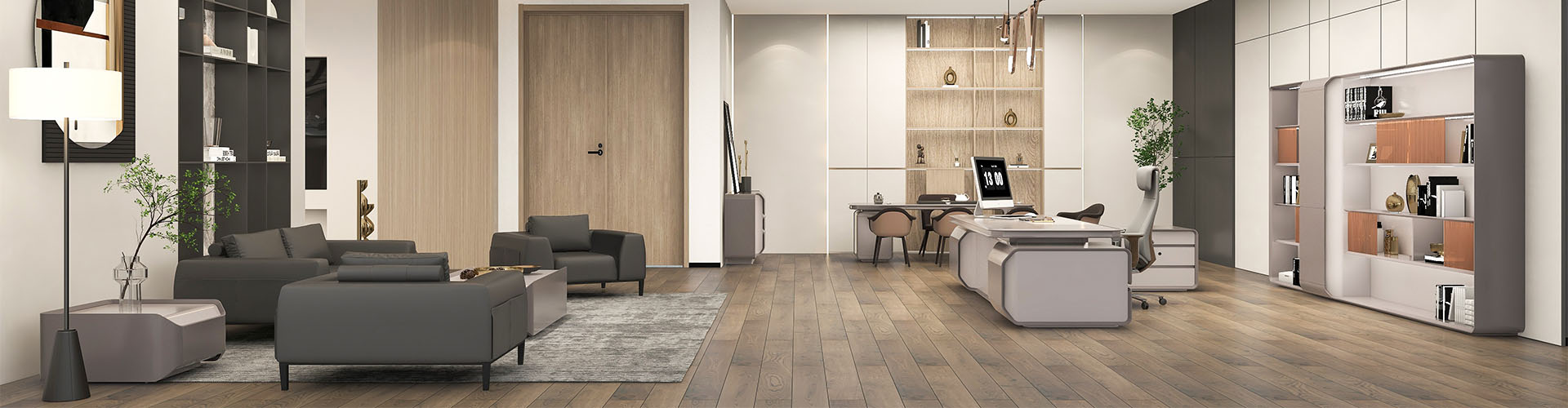
Top Pain Points in Corporate Training Spaces and the Furniture Choices That Help
Corporate training rooms now support far more than lectures. They host onboarding, compliance sessions, product workshops, leadership programs, and hybrid learning. A room that works well for one format may feel awkward for another just a few hours later. That is why furniture planning matters.
For companies shaping high-quality workplace environments, GOJO treats training furniture as part of a broader business space strategy. The right tables and layouts help you handle changing class sizes, device use, and long-term daily wear without making the room feel temporary.
Why Do Corporate Training Rooms Struggle With Changing Session Formats?
A training room often needs to serve several purposes in one week. Monday may call for rows of tables facing a screen. Wednesday may require six small discussion groups. Friday may involve a practical session with laptops, handouts, and team exercises. Fixed furniture makes those changes slower than they should be.
Rigid Layouts That Slow Room Reconfiguration
When tables are hard to move or layouts feel locked in place, staff spend extra time resetting the room. That becomes a real issue in busy offices where one space supports several departments. A room that takes longer to rearrange than the coffee break quickly becomes a scheduling problem.
You should look for furniture that helps the room shift from instruction to collaboration with less effort. This matters not only for convenience, but also for floor efficiency. A flexible training space can carry more value than a larger room with poor layout choices.
SHK Modular Furniture for Flexible Training Layouts
SHK fits this need well. It suits training spaces where adaptability carries more weight than a fixed classroom look. In companies that run workshops, internal seminars, and rotating group activities, modular furniture helps the room respond to the session instead of limiting it.
How Can Training Furniture Support Device-Heavy Sessions?
Training today often includes laptops, tablets, presentation screens, and charging needs. A room may look tidy before people sit down, then become cluttered within ten minutes. Power strips appear, cables cross walkways, and instructors lose time helping people connect devices.
Cable Clutter and Inconvenient Power Access
This issue affects both safety and focus. A crowded tabletop makes it harder to take notes, handle printed materials, or work in pairs. Poor access to power also creates small interruptions that add up over a two-hour training session.
In corporate training spaces, these small frustrations matter. They break attention. They also make the room feel less prepared, even when the course content is strong.
BET Tables for Neater, Tech-Ready Sessions
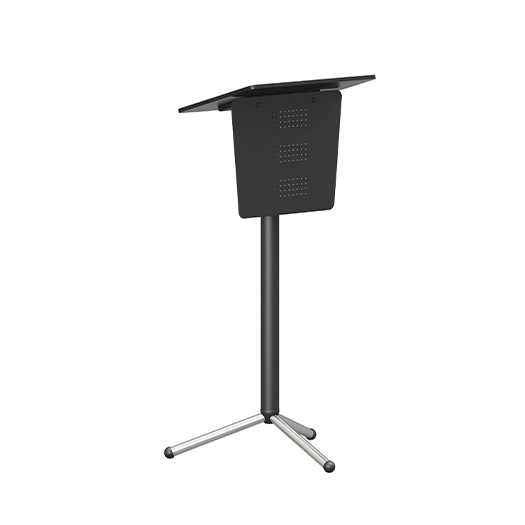
BET is better suited to rooms that support digital instruction, laptop-based courses, or technical training. Its role is not just to hold equipment, but to keep the working surface more orderly and aligned with modern training habits.
For buyers planning technology-heavy learning rooms, this type of table creates a better match between furniture and use. The space feels calmer, and sessions move with fewer avoidable interruptions.
Why Do Training Spaces Often Feel Functional but Not Professional?
Some training rooms meet the basic need for seating and writing surfaces, yet still look unfinished. Mixed furniture styles, awkward spacing, and a lack of visual order can make the room feel like a spare office rather than a dedicated learning environment.
Temporary-Looking Rooms That Weaken the Business Image
This matters in more settings than expected. A corporate training room may host new hires in the morning and visiting partners later in the day. If the furniture feels random or overly makeshift, it affects the impression of the space.
Professional training furniture should support a cleaner visual rhythm. Consistent lines, suitable proportions, and layouts that fit the room help create a stronger workplace atmosphere.
SHK and BET Choices for Different Training Goals
SHK fits spaces that need movement, reconfiguration, and discussion-based use. BET fits spaces where device access, desk order, and structured learning matter more. The choice depends on how the room works in real life.
A company that holds frequent team workshops may place greater value on SHK. A company that runs software training or digital onboarding may find BET more suitable. The furniture should follow the training model, not the other way around.
What Should Buyers Check Beyond the Training Tables Themselves?
Furniture selection should not stop at size, color, or surface style. Corporate training areas are high-frequency spaces. Tables are moved, used by many groups, and expected to keep a professional appearance over time.
Quality Systems for High-Frequency Commercial Use
You should consider whether the furniture comes from a supplier with stable product development, testing, and commercial project experience. Training furniture faces repeated contact, daily cleaning, and constant room turnover. A strong quality system matters more here than in a room used once a month.
Service Support for Long-Term Training Space Projects
For larger office projects, the training room is often one part of a larger furnishing plan. Clear product coordination, installation follow-up, and a reliable contact path help project teams manage details with fewer gaps.
A good training space does not depend on one impressive feature. It comes from practical choices that support real use: layouts that change easily, tables that suit technology, and furniture that keeps the room polished after months of activity.
FAQ
Q: What is the biggest furniture issue in corporate training rooms?
A: Lack of flexibility is one of the most common problems. Training formats change often, so furniture that supports quick layout shifts is usually more practical.
Q: When does a technology-ready training table matter most?
A: It matters in laptop-based learning, software training, hybrid workshops, and any session where power access and desktop order affect participation.
Q: Should training furniture match the wider office style?
A: Yes. A training room should feel connected to the rest of the workplace, especially in companies that host clients, partners, or cross-department programs.


