

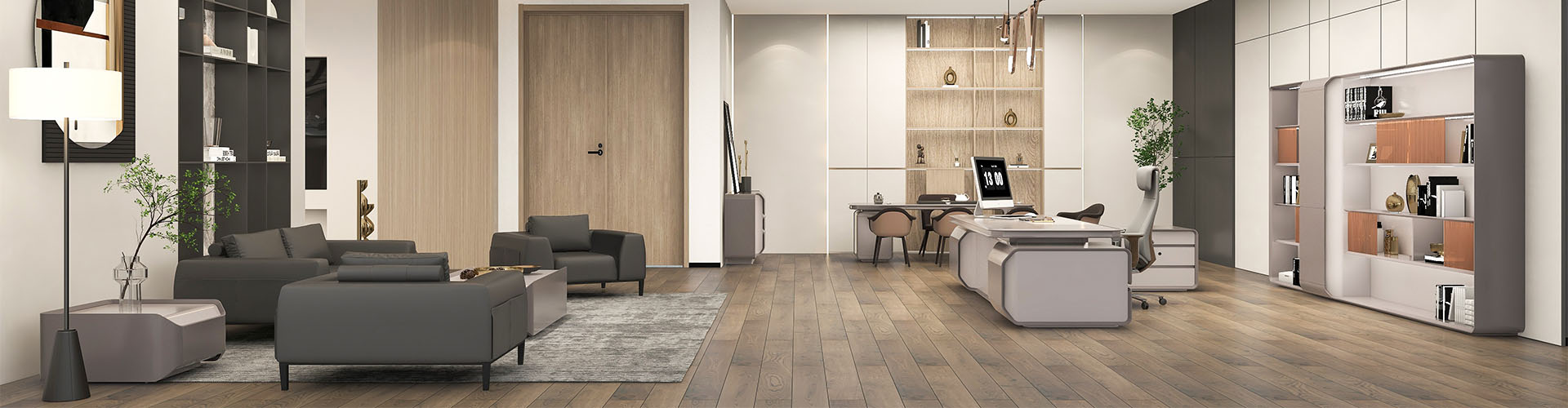
Top Office Chair Features Buyers Should Check in 2026
Office chair buying in 2026 is no longer about picking a seat that simply looks formal. You need a chair that supports long workdays, fits the room, and holds up in daily use. In executive offices, meeting rooms, and private workspace, seating also becomes part of the overall business image. This is why GOJO places office chairs within a broader high-end workplace setting, where comfort, appearance, and space planning matter together.
What Ergonomic Features Should Buyers Check First?
Before color or styling, you should look at the parts that affect how the chair feels after hours of work. A chair that looks impressive in a catalog can still feel wrong after the third meeting of the day.
Back Support for Long Sitting Hours
Good back support helps you stay steady during focused work, video calls, and long discussions. The chair should follow the natural shape of the back rather than forcing a stiff posture.
Seat Height That Matches the Desk
Seat height matters more than many buyers expect. When the height works with the desk, your feet rest more naturally and your shoulders stay less tense during typing or paperwork.
Armrest Design That Supports Daily Tasks
Armrests should support relaxed sitting without crowding the body. In executive settings, they also affect the chair’s visual balance, especially in rooms where the chair is seen from every angle.
Why Do Materials and Cushioning Matter in 2026?
Materials shape both comfort and presentation. For office chair buyers, this is where function meets business style. Upholstery, cushion form, and finish all influence how the chair feels in real use.
Surface Materials That Match Business Spaces
Cloth and leather-style seating remain common choices for office furniture because they suit different room moods. Softer visual textures may work well in collaborative settings, while smoother finishes often fit formal executive spaces.
Cushion Structure That Supports Different Preferences
Some users prefer a tighter, more structured sitting feel. Others want a fuller cushion that feels softer during long meetings. That difference matters in offices where one chair may be used for hours each day.
Finishing Details That Affect the Whole Room
Small details often decide whether a chair feels ordinary or refined. Stitching, armrest lines, and the transition between the seat and back can make a stronger impression than a bold shape alone.
How Can Buyers Judge Durability and Quality?
A chair is used far more often than many other office pieces. Wheels roll, bases carry weight, and seat structures face repeated pressure every day. Long-term buying decisions should reflect that.
Stable Bases and Smooth Daily Movement
A reliable office chair should move smoothly and stay stable during normal shifts in posture. This matters in executive offices, shared desks, and meeting rooms where chairs are moved throughout the day.
Product Quality Behind the Visible Design
Durability is not only visible on the surface. It also comes from material choice, structural design, and product testing. Buyers should care about the quality system behind the finished chair, not only the chair’s outward look.
Practical Selection for Commercial Projects
For office projects, it helps to choose seating that suits both frequent use and coordinated furnishing plans. A chair may be a small item by size, but it affects the daily workplace experience every hour.
Which GOJO Chair Fits Different Buyer Needs?
The right chair depends on room style, user role, and the tone of the office. Two products can belong to the same category yet serve different visual preferences.
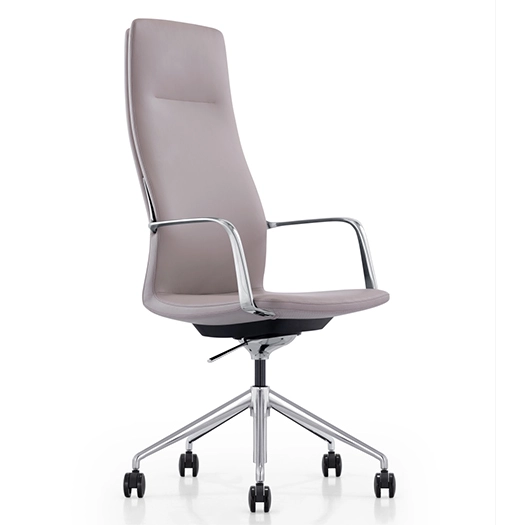
1741921654879 for Clean Business Styling
This model suits buyers who want a chair that reads as neat, formal, and suitable for a polished office setting. It works well when the room design calls for a restrained executive look.
1741921613695 for a Stronger Visual Presence
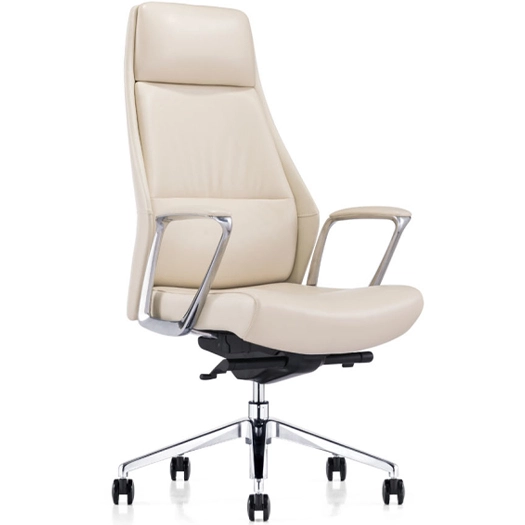
This option fits spaces that need a chair with a more substantial business tone. In a private office or leadership area, that presence can help the room feel more settled.
A Chair Choice Based on Space, Not Guesswork
You should compare chairs through use cases rather than isolated product photos. Consider who will sit there, how long the chair will be used, and whether the design fits the desks, cabinets, and meeting furniture nearby.
What Else Should Buyers Consider Before a Final Choice?
Office chair selection does not end with shape and material. For business buyers, service support and project coordination also matter, especially in larger furnishing plans.
Service Support That Matches Project Needs
When office furniture is purchased for a full workspace, after-sales handling becomes part of the decision. A clear contact channel matters when teams need product records, project follow-up, or service coordination.
Chair Selection Within a Full Office Plan
A chair should connect naturally with the rest of the space. In executive offices, meeting rooms, and reception areas, seating works best when it follows the same design direction as the broader furniture layout.
A Balanced View of Comfort, Style, and Reliability
The best office chair choice in 2026 balances daily comfort, professional appearance, and practical durability. When those three points work together, you get seating that suits real business use rather than short-term visual appeal.
FAQ
Q: What is the first office chair feature buyers should check?
A: Start with ergonomic support. Back shape, seat height, and armrest placement affect daily comfort more than surface styling.
Q: Should office buyers choose chairs mainly by appearance?
A: No. Appearance matters, but the chair also needs suitable materials, dependable structure, and a design that fits the wider office space.
Q: Why compare two chair models before making a decision?
A: Comparing models helps you match the chair with the room style, user role, and daily work pattern instead of relying on one general option.


