


The Science of Ergonomics: Is Your Task Chair Boosting Your Productivity?
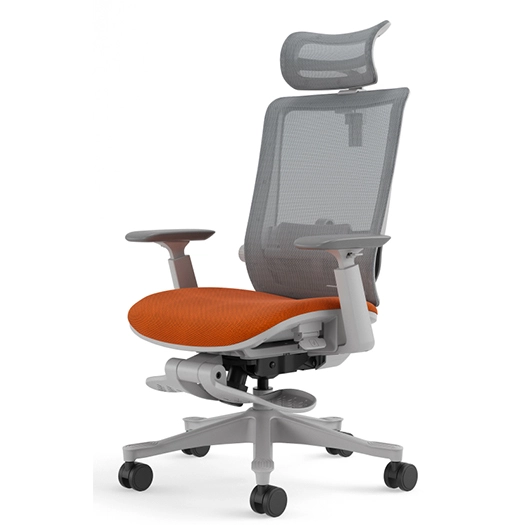
In today’s work world, getting things done often feels like a mind challenge. You handle your schedule, sort your emails by importance, and drink plenty of coffee to keep going. However, lots of workers ignore a basic body fact: your mind cannot work its best if your body fights your surroundings all day. The study of body-friendly design connects body well-being and thinking power. If you sit for eight hours each day, your chair does not just serve as a seat; it acts as a tool for better performance. This idea comes from years of research showing how small changes in seating can lead to big gains in daily output, and it applies to everyone from office workers to managers who spend long hours at desks. By understanding these links, you can make choices that support not only your immediate tasks but also your overall health over time, turning a simple chair into a key part of your success routine.
The Invisible Connection Between Comfort and Output
When you use a badly made chair, your body makes small “adjustments” all the time. Your lower back curves in, your shoulders pull up near your ears, and your neck stretches forward to reach the screen. You might not see these changes right away, but your nerves do. They pull energy from focused work to handle the body stress of holding an odd position. This is where theGOJO way of planning work areas starts by cutting out these body bothers so your thoughts stay fixed on what you need to do. Such distractions build up slowly, leading to lower energy by the end of the day, and removing them allows for smoother workflows that feel natural rather than forced. In real offices, people who switch to better seats often notice quicker thinking and fewer breaks, proving how much these small fixes matter in busy settings.
Real getting things done comes from a “flow” state, and you cannot keep flow if you keep moving to get comfy. Good seats lower the steady pull on your muscles. By giving a firm bottom and matching your shifts, a smart-built chair keeps blood moving steadily and holds off muscle tiredness. When you pick a work seat option, you do not just get an item; you take back the thinking power once lost to body unease. This recovery of energy means more time for creative ideas and problem-solving, as your body no longer drains resources on basic support tasks. Over weeks, this leads to habits that build lasting focus, helping teams and individuals reach goals with less effort and more joy in their work.
The Anatomy of an Ergonomic Powerhouse
To see why some chairs improve your day while others tire you out, you need to check the key parts of body-friendly building. A chair should work like part of your body. It has to back the normal “S-shape” of your back bone, especially the lower part, which holds the most load when you sit.
Precision Engineering for Daily Endurance
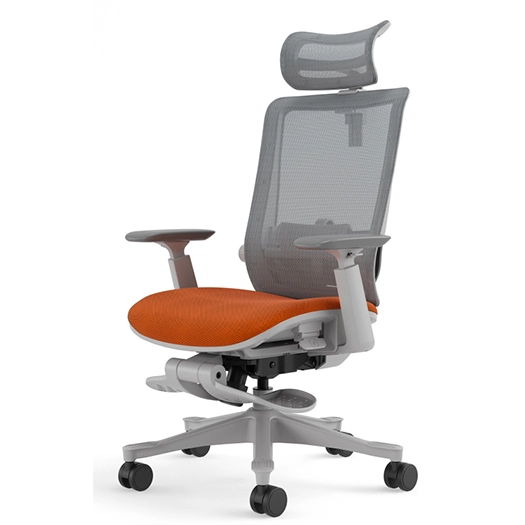
Think about what a busy work day needs in structure. You want a chair that does more than add soft filling; you want quick response in support. This is where the GOJO 1741921200489 stands out. This type fits the person who wants a mix of soft feel and strong hold. By using a blend of fabric and skin-like material, it fixes the usual problem of getting too warm. The skin-like part gives lasting strength and a work look needed in a business place, while the fabric parts let air move better, keeping you fresh and sharp during tight due dates. Users often share stories of how this balance helps them power through long meetings or report deadlines without the usual sweat or slips in attention. In tests, this design shows lower rates of discomfort compared to plain options, making it a smart pick for those who value both style and function in their daily setup.
More than the stuff used, the shape of the sitting part counts. A sloped front on the seat pad stops the chair from blocking blood to your legs, a usual reason for that “tired leg” sense by mid-afternoon. When your blood system works without blocks, your mind gets a even flow of air, which right away affects how well you handle hard issues and keep your attention. This steady supply supports longer stretches of clear thinking, reducing the mental dips that come from poor body care and helping you stay on track with projects from start to finish. Many who make this switch find their afternoons more productive, with fewer needs for walks or stretches to shake off the numbness.
The Executive Standard of Support
For leaders or jobs needing long times of deep thinking, the chair must give a higher level of strong build. The GOJO 1741921181569 shows the top of this leader backing. It centers on the “moving sit” idea that you can lean back to think about a plan and then move forward to do it without messing up your back line. This fluid motion keeps your posture steady, which is key for roles involving constant shifts between reflection and action, ensuring you stay comfortable no matter the task.
The way weight spreads in this type gets figured to stop sore spots on the sitting bones. When your load sits even, you skip the need to keep moving or tilting, which breaks your focus. By giving a solid base, GOJO makes sure your body hold in the work place shows calm and steadiness instead of bending and weariness. Leaders using such chairs report feeling more in control during long sessions, with less physical pull on their attention, allowing deeper dives into strategy without interruptions from aches. This design choice supports not just the body but the demands of high-stakes decisions, where every minute of clear mind counts toward better outcomes.
Why Adjustability Is Your Greatest Asset
A chair you cannot change is like a trap. Since no two bodies match exactly, the “normal” chair suits almost nobody just right. Work body design depends on making changes to heights, tilts, and pulls.
You need to set the arm rests so your elbows make a right angle, even with your table. This stops pull in the upper back muscles and helps dodge repeat hurt in the hands. In the same way, the lean pull should match your body load. If the pull feels too easy, you tip back; if too hard, you fight to lean. GOJO builds these parts to feel natural, letting you tweak your spot without checking a guide each time you shift. These easy changes mean you can adapt on the fly, whether settling in for emails or leaning into a call, keeping your body aligned and your mind free for the work at hand. Workers who learn these adjustments quickly find their days smoother, with fewer pains and more consistent energy that carries through meetings and deadlines alike.
Investing in Your Professional Longevity
We hear about “people resources” in business a lot, but we seldom see the human frame as something that wears down and needs care. Swapping a low-cost, weak chair for one built on science steps up your work life length. Ongoing back ache and neck tightness do not just harm health; they hurt your job chances by causing missed days and less interest. Addressing these early through better seating prevents small issues from growing into big problems, saving time and medical costs while boosting daily performance.
By picking a GOJO office solution, you show a promise to good standards and body care. These seats get made to handle the tough parts of a now work place while keeping their form and help features. It turns into a spend that gives back through steady power at day’s end. Instead of quitting work feeling body-broken, you end with push left for home time which then makes you more ready for the next day’s tasks. This cycle of better rest and work creates a positive loop, where health improvements lead to sharper focus and stronger results in projects big and small. Companies that provide such options see happier teams with lower turnover, as employees feel valued through practical support for their daily grind.
The link stays clear: stronger backing brings better body state, better body state brings sharper attention, and sharper attention brings more getting done. If your now chair does not aid your aims, it probably blocks your path. Taking time to evaluate and upgrade can change not just your comfort but your whole approach to work, opening doors to higher achievements and a more balanced life outside the office.
FAQ
Q: How do I know if my current chair is actually hurting my productivity?
A: Watch your body in the early after-lunch time. If you catch yourself often stretching your lower back, resting your head on your hand, or sensing a “cloudy” mind that matches body tightness, your chair lets you down. These signs show your body works too much to stay straight, leaving little power for your real job needs. Tracking these patterns over a few days can reveal if the chair truly impacts your output, guiding you toward changes that restore your peak performance. Simple tests, like noting energy levels before and after adjustments, often confirm the need for an upgrade, leading to noticeable lifts in daily efficiency.
Q: Is there a significant difference between cloth and leather for long-term sitting?
A: Each has clear pluses based on your work spot. Leather gives top lasting power and a business look that cleans easy. Fabric offers better air flow, which matters in hot rooms or for people who get warm fast. Many GOJO types mix both stuffs to bring leather’s strength to worn spots and fabric’s fresh feel where it helps most. Choosing based on your climate and habits ensures comfort that lasts, avoiding common complaints like stickiness or chills that disrupt focus. Feedback from users highlights how this combo suits varied needs, from cool offices to warmer ones, making it versatile for different work styles.
Q: What is the single most important adjustment I should make on my new chair?
A: Lower back height and seat height form the base. Make sure your feet rest flat on the ground with knees at a right angle, then set the lower back help to fit snug in your back curve. This fix steadies your full back bone and starts your way to a more effective, hurt-free work day. Once set, this foundation lets other tweaks work better, creating a setup that supports hours of work without strain building up. Many find that getting this right first leads to immediate relief and sustained benefits, turning potential pain points into strengths for their routine.


