

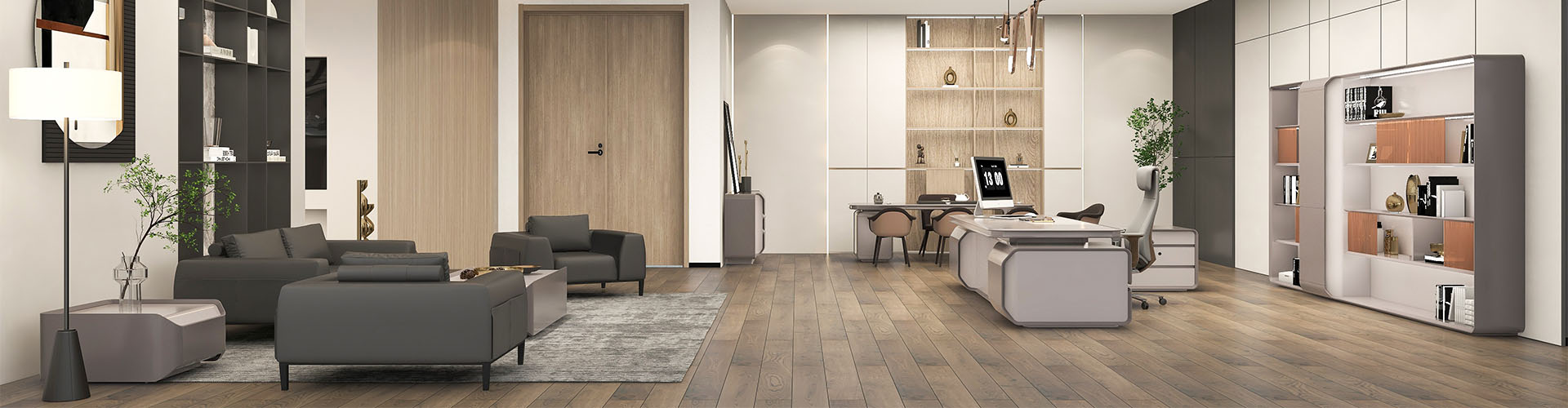
The Best Ergonomic Office Chairs for Back Pain: What to Look for in 2026
You have probably experienced it—that constant, nagging pain at the bottom of your spine after a lengthy session at your desk. Or maybe it is a tight pull in your shoulders that turns every keyboard tap into a task. As you handle the pressures of a current office setup in 2026, the line between your bodily well-being and your job output has faded away. You are not simply searching for a spot to park yourself; you are hunting for a helpful ally that guards your movement and concentration.
Spotting the proper backing calls for a skilled view. This is where steps into your work routine. As a committed expert in top-notch workspace tools, GOJO has perfected the careful mix of sturdy build and user ease. Whether you are setting up a demanding leader’s room or a simple, flexible home area, the main goal stays on providing items that honor your body’s natural position. By combining cutting-edge fabrics with exact construction, they supply a selected route to a day without aches. You merit a configuration that labors as much as you do, and having a skilled guide makes sure you never trade your stance for your output once more.
The Core Indicators of Spine-Saving Design
To gain comfort, you must see past the outer look of a chair. The nice appearance of a furniture item often hides its basic flaws. To make certain you pick a device that truly eases back pain, you have to focus on three main signs.
Precision Lumbar Support
Your spine curves in a natural “S” shape. When you sit in a badly made chair, your lower back flattens or bends forward, which places huge stress on your spinal disks. You require a chair that covers the space between the seat back and your lower spine. Search for a setup that lets you change the level and reach of this backing. When the chair presses softly against your lower back, it helps your chest to expand and your shoulders to relax, right away cutting the load on your lumbar spot.
Dynamic Seat Depth and Edge Design
If the seat on your chair stretches too far, it bumps the back of your knees, making you tip ahead and miss all back backing. If it runs too brief, your thighs lack enough room to spread your weight, causing sore spots. You need a seat that keeps a tiny space—around the width of three fingers—between the chair front and the back of your knees. Plus, a “waterfall” edge style, where the seat front bends down, makes sure blood moves well to your lower legs during extended times.
Multi-Dimensional Armrest Adjustability
Lots of folks overlook armrests, yet they matter a lot for neck and shoulder care. If your armrests stay set too tall, your shoulders stay raised the whole day. If they sit too low, you tilt to one side, throwing off your spine’s line. You need armrests that shift in at least three ways: up and down, front to back, and closer to your body. This lets your elbows sit at a 90-degree bend, lifting the load of your arms from your upper back muscles.
Choosing Your Solution: Recommendations for Peak Comfort
Drawing from your exact build and the type of your daily jobs, various styles will give different amounts of ease. You ought to choose a chair that matches your key body issues.
The Power of Full-Spine Alignment
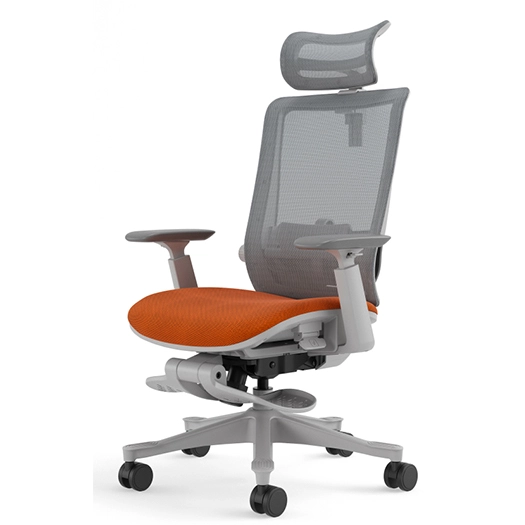
If you deal with tightness that runs from your neck to your tailbone, a full backing system becomes essential. For people who log over eight hours daily at a desk, especially in warm spots or tense jobs, the stands as a top pick.
The tall back frame makes sure your whole spine, from the chest area to the neck part, rests against a steady surface. The mesh fabric does two jobs: it molds to your personal form without dropping its pull, and it allows steady air flow. This stops the warmth that builds up and often causes fidgeting and constant position changes. By holding your body fresh and your spine straight, you cut down the small shifts that lead to muscle tiredness by day’s close. In addition, this design helps maintain focus during long meetings or focused tasks, as the even support reduces any need to readjust frequently, keeping your posture steady and your mind sharp on the work at hand.
Executive Comfort and Weight Distribution
Maybe your role includes many switches between intense work and thoughtful talks. In that situation, you call for a chair that gives a more solid, wrapping sensation. The is built just for that.
Leather options in this group go beyond looks; they handle weight spread. The thick foam under the fine leather works like a buffer for your sitting bones. If you have a bigger body, this added fill is key to avoiding the sinking feel in low-cost types. The upscale cover offers a strong but giving hold for your lower back area, turning it into a great aid for those with sciatica or touchy lower back spots. Furthermore, the smooth surface of the leather allows for easy cleaning and maintenance, ensuring the chair stays in top shape over years of use, while the durable build supports daily wear without quick breakdown.
Task-Oriented Support for Modern Spaces
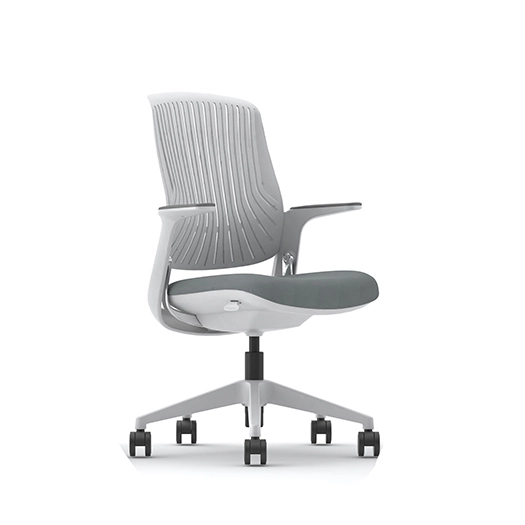
Not every work area needs a large space. If you operate in a fresh, quick-setup place and want a chair that holds you straight and involved, the style should be slimmer but just as helpful. The brings a smart answer to this demand.
The lined pattern is a real win in function. Each line serves as a side-to-side backing bar, making sure the pull over the back rest stays balanced. This proves extra useful if you often bend forward to check several screens. It supports your middle back right where most start to droop. Since it skips the size of old-school office seats, it slides nicely into tight home spots or group areas, yet it still delivers the needed ergonomic push your lower back needs to remain sound. Moreover, the lightweight frame makes it easy to move around, fitting well into dynamic work environments where you might shift positions or locations often, enhancing overall flexibility without sacrificing support.
Tailoring the Chair to Your Body Type
You have to see that body-friendly design is not a “fits everyone” thing. Your size and mass have a big hand in how a chair works for you. For instance, taller people often face issues with backrest coverage, while shorter ones deal with seat fit, and active users need smooth movement options; understanding these helps in picking the right match that lasts through daily routines.
For the Tall User: You should stress backrest tallness. If the chair back stops at your shoulder blades, you lack backing for your upper back, which causes a head-forward lean. A tall-back type with a changeable headrest will guard best against “tech neck.” This setup ensures your neck stays aligned, reducing strain during long hours of screen time and preventing common posture problems that build up over weeks.
For the Petite User: Your main hurdle is usually seat length. If you cannot touch the backrest while planting your feet flat on the ground, you will surely face lower back hurt. You need a chair with a very changeable seat base and a shorter lowest lift height to make sure your feet always touch down. Such features allow for precise adjustments, keeping your legs supported and your back from arching unnaturally, which is crucial for comfort in shorter frames.
For the Active Sitter: If you shift a bunch—grabbing papers, twisting to chat with coworkers, or reclining to ponder—you need a chair with a fine tilt system. The tilt’s pull should change so the chair flows with you, instead of you battling a hard coil. This responsive mechanism encourages natural movement, distributing pressure evenly and minimizing fatigue from constant adjustments throughout a busy day.
Science-Backed Habits for Long-Term Relief
Even the top chair out there cannot help if you handle it wrong. You must treat your chair like a device that needs right setup. Proper use turns it into a reliable partner for health, preventing issues before they start and promoting better overall wellness in your work life.
First, stick to the “90-90-90” guide. Your knees ought to bend at 90 degrees with feet flat on the floor. Your hips should angle at 90 degrees to your upper body. Your elbows should angle at 90 degrees as you stretch for your keyboard. If your feet hang, add a footrest. This easy change removes the tug on your lower back muscles. Following this consistently helps maintain balance, reducing the risk of strain and allowing for sustained energy levels during extended work periods.
Second, try the “Dynamic Sitting” approach. No matter how cozy you feel, your body craves action. Every half hour, alter the seat angle a bit or tweak the armrest height slightly. This moves the weight to varied muscle sets and stops any one spot from getting too worn. Incorporating these small changes keeps circulation flowing and muscles engaged, which supports long-term spinal health and boosts productivity by warding off stiffness.
Finally, care for your gear. A chair that has dropped its pull or shakes at the base will quietly make your body adjust, causing unseen stress. Check often that all shift handles work easy and that the cloth or leather stays neat and soft. Regular upkeep extends the chair’s life, ensures safety, and keeps it performing at its best, avoiding unexpected breakdowns that could disrupt your routine.
The Path to a Pain-Free Career
Putting money into your office items means putting money into your job’s long run. When pain does not pull you away, your ideas and speed climb to fresh levels. By picking a chair that gives clear lower back help, air-friendly fabrics, and changeable parts, you take an active move toward a better tomorrow. This choice not only eases current discomfort but also builds habits that protect your body for years, leading to fewer sick days and higher job satisfaction.
If you are set to turn your work area into a haven of output, we stand ready to help. Our group offers skilled advice on choosing the ideal type for your exact body wants and space plan. Do not allow one more day of unease to cap your skills.
For custom suggestions or to talk about group buys for your crew, just contact our help experts. We pledge to aid you in finding the best seat fix that suits your form and your funds. Our service covers everything from initial consults to after-sale support, ensuring you get the most value and fit for your needs.
FAQ
Q: Is a mesh chair or a leather chair better for lower back pain?
A: It hinges on your taste for hardness. Mesh chairs, like the tall-back kinds noted earlier, give a harder, more “held-up” sense that keeps you fresh and lines the spine via pull. Leather chairs bring more “settle-in” padding and weight ease for the sitting bones. If you warm up fast, pick mesh; if you want gentle fill for tender joints, pick leather. Both types have their strengths, and testing them in person can reveal which aligns best with your daily comfort preferences.
Q: How often should I replace my ergonomic office chair?
A: Top ergonomic chairs hold up well, but check yours every five to seven years. If the foam lacks its spring, the mesh hangs loose, or the lift no longer keeps your level steady, swap it out. A chair that fails to hold your weight right will soon bring back back aches. Regular checks and timely replacements keep your setup reliable, supporting health and preventing the need for costly fixes down the line.
Q: Can a mid-back chair provide enough support for a full workday?
A: Yes, as long as it features a solid lower back bend. Mid-back chairs work great for folks who skip a headrest and like more shoulder room for motion. They shine in job-focused tasks where you shift around your desk a lot. Their design promotes active posture without restriction, making them ideal for varied work styles while still delivering the core support needed to avoid pain buildup over time.


