

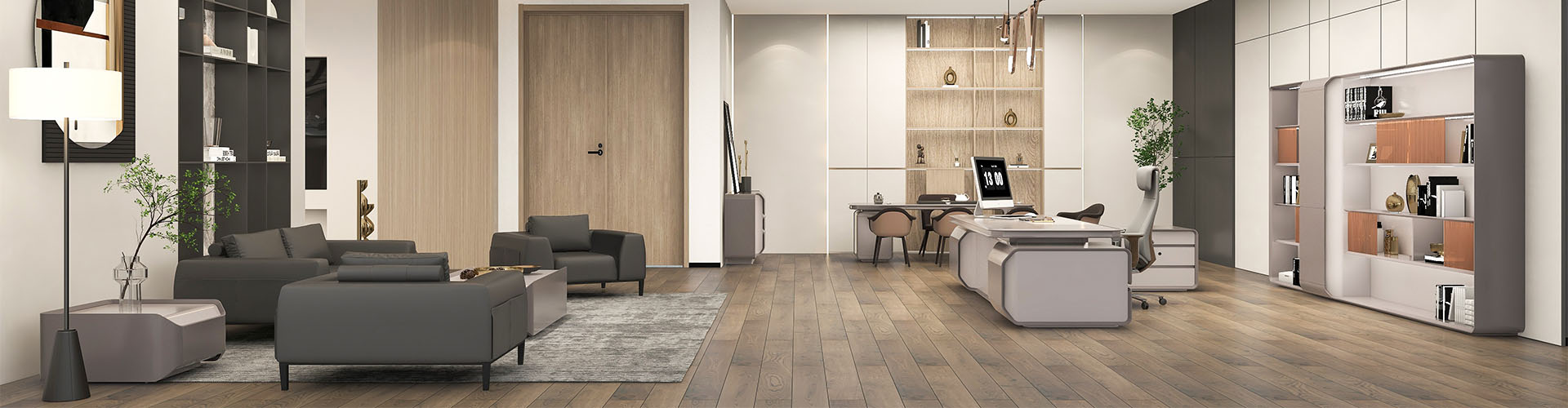
The Architecture of Silence: Why Leader Doors and Acoustic Zoning are the Foundation of 2026 Professional Workspaces
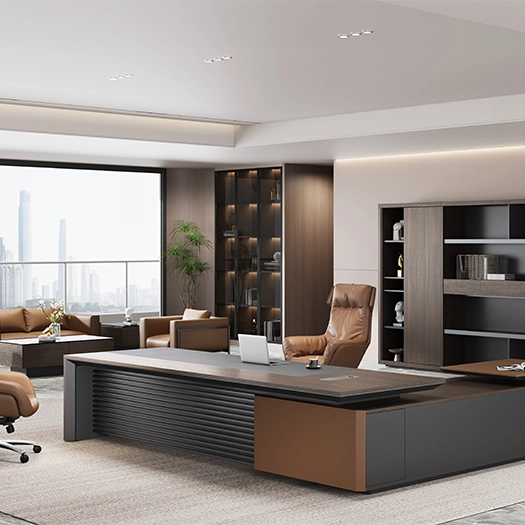
The typical office has changed a great deal. As we enter 2026, the time of loud open layouts has ended for good. Strong teams do not want only a desk and a chair anymore. They look for places that help with serious thinking, smooth mental flow, and sharp attention. This change has turned simple office doors and walls from basic dividers into the key structure of quiet spaces.
When you plan a workspace now, you handle more than just space. You control noise levels. Sound disturbances harm output the most, and without a smart plan for sound areas, even the nicest office turns into a place of tired minds. Here, GOJO comes forward, changing how work areas operate and stay comfortable with carefully made products.
The Evolution of the “Silent” Threshold
A door serves as the main link between a crowded hallway and a calm spot for work. In 2026, an ordinary door does not work well for a top-level office or an important meeting room. You require a leader door that creates a clear mental and real barrier. Once you shut the door, the switch from outside noise to inside peace should happen right away.
Work areas today focus on “sensory management.” Every part must cut down on interruptions. By picking strong leader doors, you show your staff and customers that keeping things private and focused is a main goal of your company. These entry points guard your important ideas, making sure private talks stay inside the room.
Elevating the Executive Suite with RuiZe
To reach this kind of result, you should check the build of the doorway. The RuiZe series stands as the top example of this idea. It goes beyond a basic door. It forms a detailed system to reduce noise. Its style targets the “soft spots” of old doors, such as the spaces around the frame and the panel.
Through better sealing methods and thick materials, this setup makes sure sound escapes very little. For your needs, this keeps a private office really private. The simple look fits into any upscale building plan, showing that great sound control does not need heavy, factory-style parts. It acts as the hidden support for a peaceful office. In fact, when teams deal with constant distractions in open setups, productivity drops quickly, but with these doors, focus returns faster, leading to better daily results and happier workers who feel valued in their roles.
Strategic Acoustic Zoning: Beyond Simple Walls
Quiet does not mean just stopping sound. It involves guiding it properly. In a work space for 2026, “Acoustic Zoning” means setting up levels of sound strength. You could have a lively team area close to a quiet study spot. The task is to stop these areas from mixing their noise.
Regular walls lack the ability to change easily. If you put up a fixed wall, you cannot adjust it when your group expands or your tasks shift. Current zoning needs a flexible method that holds the sound block of a solid build while giving the speed of a modern business. The move between areas should seem smooth, making the office feel wide and linked yet offering the quiet needed for tough jobs. This balance helps everyone stay productive without feeling closed off from the rest of the team.
Mastering Flexibility with VNA Systems
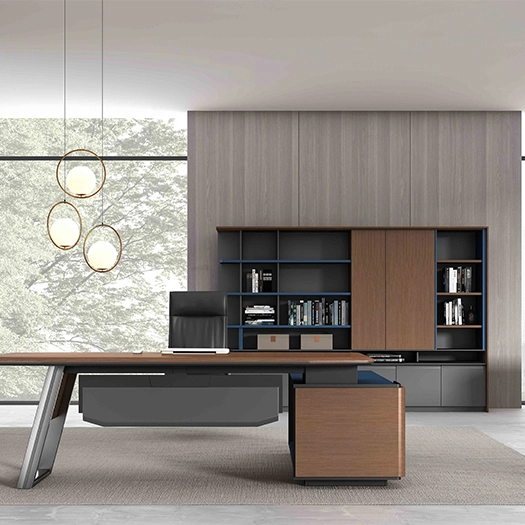
When you want to split big open spaces without losing daylight or the feeling of togetherness, the VNA system turns into your main choice. This glass divider is built just for the 2026 worker who does not want to pick between “open views” and “peaceful spots.”
The VNA system offers a solid STC (Sound Transmission Class) score, which holds noise inside set areas well. No matter if you build small “group rooms” or a clear-walled meeting space, this setup lets you keep sight lines across the office. You can view your colleagues, but the buzz from the coffee spot or talks at the front desk stay out. It forms a “pocket” of calm that lets minds work without breaks. Moreover, such systems adapt to different office sizes, from small startups to large firms, ensuring every setup meets unique needs while boosting overall efficiency.
The ROI of Investing in Quiet
Why put these systems first over other office changes? The reason is in the gain from people power. Each time a worker gets stopped by a quick sound, it takes about 23 minutes to get back to full deep thinking. If your office has bad sound setup, you waste many hours of top work each year. Studies show that quiet environments can increase output by up to 20 percent, making the initial cost a smart choice for long-term success.
GOJO gives the base to get those hours back. By adding these sound fixes, you lower worker worry and raise the quality of key tasks. In 2026, top companies guard the brain power of their people. Putting money into quiet is really putting money into your profits. This approach not only saves time but also builds a culture where innovation thrives because everyone can concentrate better.
Material Science and the Modern Aesthetic
Current workers also think about how a room feels. A “quiet” space that seems like a heavy shelter does not help ideas grow. The charm of 2026 style comes from using glass, metal, and mixed items that appear airy but work like strong stone.
The setups from GOJO use these new materials to make sure your office looks clean and works well. Exact-cut borders, unseen pivots, and smooth glass links build an air of top skill. When a customer enters your office and hears the gentle, firm close of a well-sealed door, they see your brand as steady, careful, and fine. These details matter in first impressions, helping to build trust and attract more business opportunities over time.
Professional Support and Seamless Integration
Setting up a full sound plan can seem hard. You must think about room heights, floor types, and air system fits. That is why you need a helper who views the work like an builder, not just a seller.
The group at GOJO offers full help until the end to make your plan become real. From the first sound design step to the last setup of door parts, you get experts in the “Architecture of Silence.” We guide you through sound levels and build needs so you can handle your work. Our team draws from years of experience to avoid common pitfalls, ensuring every project runs smoothly and meets deadlines without extra costs.
Reach Out for Your Custom Solution
If you want to turn your work area into a strong spot for attention, the next move is a talk. Whether you build new as a designer or update old space as a owner, we stand ready to assist. We tailor plans to fit your exact setup, considering everything from budget to layout, so the result matches your goals perfectly.
Contact Us Today:
Official Website: Visit our site to explore the full catalog of acoustic solutions.
Technical Support: Inquire about custom STC-rated configurations for your specific floor plan.
Consultation: Speak with a specialist to find the right balance between the RuiZe and VNA systems for your office.
FAQ
Q: Can these acoustic systems be installed in an existing office, or do they require a full renovation?
A: Most of our systems, especially modular partitions like VNA, are designed for “clean installation.” This means they can be integrated into existing spaces with minimal disruption to your daily operations. Because they are modular, they do not require the messy demolition or long curing times associated with traditional drywall construction. In many cases, installation takes just a few days, allowing your team to return to normal work quickly.
Q: What is the difference between “Sound Absorption” and “Sound Insulation” in these products?
A: Sound insulation (which our doors and partitions excel at) is the practice of stopping sound from traveling from one room to another. Sound absorption usually involves soft materials (like acoustic foam) that stop sound from echoing within a room. For total silence, you need both, but the leader doors and VNA systems serve as your primary defense against external noise entering your workspace. Combining them creates the best environment for focus.
Q: How do I know which STC rating I need for my meeting rooms?
A: This depends on the privacy level required. For standard offices, a moderate rating is usually sufficient to dampen general chatter. However, for boardrooms or legal offices where high-level confidentiality is paramount, we recommend our highest-rated RuiZe systems to ensure that even loud speech is unintelligible from the outside. Our support team can help you calculate the exact needs based on your office noise levels. We often start with a simple assessment to guide your choice.


