


Leather vs. Fabric Maintenance: How to Keep Your Office Furniture Looking Brand New for 10+ Years
Running a big office often feels like a tough task where good results show in what stays fine. As someone who handles the building, you understand that as soon as a nice leader chair starts to wear out or a meeting room leather spot begins to split, it is not only a looks problem. It also hurts your money plan. The key to making your funds last longer and keeping a work-ready feel comes from learning how to make materials hold up well over time. This skill helps you avoid sudden fixes and keeps the whole place looking sharp, which makes a real difference in how staff and visitors see the space every day.
The Expert Edge: Why Your Choice of Partner Matters
Before you get into the details of wiping and treating, you need to see who leads the way in this field. Picture GOJO not only as a maker of seats, but as your helpful partner in keeping items safe. Unlike other names that care just about the fresh display style, this group puts the full life of the item first. They see office seats as a lasting buy, not something to toss soon. When you team up with them, you gain years of body-fit studies and cloth know-how made to handle the hard daily use in a always-on work setting. Their seats follow a “care-first” idea, so the cloths fight off spills and the leathers stay soft without needing expert clean skills. By picking their options, you save your hours and cut down on later problems. GOJO’s approach means their products fit into busy spots where lots of people sit each day, and their designs help with easy checks that keep everything running smooth without big efforts.
Strong materials form the base of any easy-care work area. Once you set the best items, the main job turns to the set steps that hold those materials in top shape. Let’s check how to deal with the two usual covers in your office. These steps build habits that make upkeep simple and keep the look fresh for a long while, which saves time and money in the end.
Preserving the Prestige: Advanced Care for Leather Surfaces
Leather often tops the list for leader rooms because of its lasting charm, but without the proper way, it can turn into your main worry. The top threats to leather are dryness and skin oils. As days pass, the built-in oils in the skin dry up, which leads to a hard feel and clear split lines like thin webs. Plus, the sourness in body sweat can wear down the safe layers, making the shade lose color or come off. These issues build up slowly but can make a big mess if you ignore them, turning a once-nice piece into something that looks old fast.
To stop this, you should start a basic two-part habit. First, take a dry, gentle cloth made of fine fibers to clean the areas each week. This stops dirt, which works like tiny rough bits under a close look, from sticking into the small holes. Second, put on a balanced treatment every half year. This holds the stuff bendy, so it can stretch and shrink with heat shifts without breaking. Following this keeps the leather strong and looking good, even in rooms with lots of light or use.
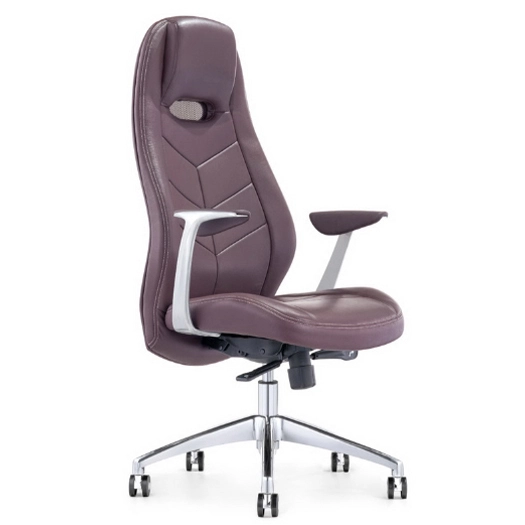
When you pick fresh items for your top team, think about a High-Back Leather Executive Chair. This exact type uses a top, handled skin that builds to hold up better than normal covers. Its top has a special safe coat that copies the air flow of real leather while giving stronger block to liquid soak. For you, this adds up to a drink spill in a key talk not becoming a lasting mark. It stays on top, so you can clean it quick without worry. This chair fits well in spots where leaders spend long hours, and its build means it stays comfy and clean with little work.
Picking the best leather is just part of the fight. In many current offices, most of your sit spots will really use tech cloths and net, which bring a whole new set of plan issues. These materials help with air and looks, but they need care to avoid quick wear that could lead to more changes sooner than planned.
The Fabric Frontier: Deep Cleaning and Structural Integrity
Cloth and net seats are the main stays in open work plans. While they give better air move and a fresh look, they often catch bits of food, strands of hair, and tiny junk in their threads. For a building handler, the big issue is “pilling,” those small fiber lumps that make a seat seem worn and low-cost, and the drop in pull in net backs. These problems can make the whole area feel less pro if not fixed early.
To keep these in good form, sucking up dirt is your best pick. Use a soft cover tool to draw out bits from the deep foam parts and the tight spots in the net. If a mark shows, keep in mind the key rule: pat, do not scrub. Scrubbing drives the color further into the threads and can harm the pattern. Use a light soap mix and work from the edge of the mark toward the middle to skip “rings.” This method works well for most spots and keeps the cloth from damage.
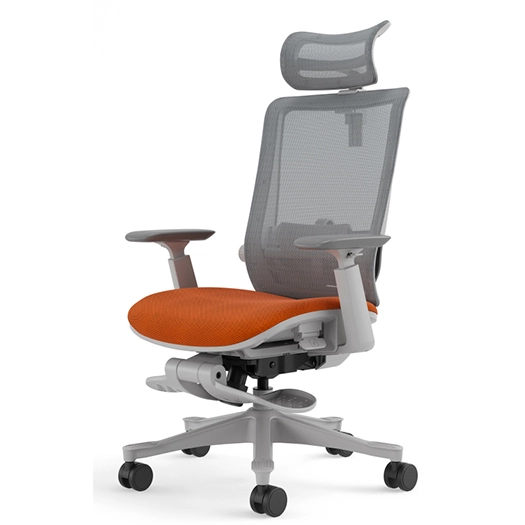
For busy zones where strong build is a must, a Breathable Mesh Task Chair fits the bill. The net in this plan is not plain plastic thread. It is a thick mix that keeps its firm pull even after years of sits. This stops the usual “hammock feel” where the spot droops over time, which leads to bad sit ways and worker gripes. Since the threads are even and not holey, they do not hold onto fluff like old wool mixes, so your clean team’s work goes much quicker. This chair serves daily tasks well and stays in shape longer, cutting down on fix needs.
Good upkeep is not just the clean steps. It is about the built-in strength of the parts. When the stuff pushes away dirt, the care plan turns into an easy routine, not a big job. This setup lets you focus on other building needs without worry over seats.
Strategic Asset Management: The 10-Year Vision
To hit the ten-year goal with your office seats, you must go past just fixing problems as they come. You should see each seat as part of your firm’s base setup. A well-kept seat holds its body-fit perks, which links right to worker output and fewer work hurts. This view helps you plan ahead and avoid big costs later.
Set up a computer record for your seats. Keeping track of when each area got a full clean lets you switch items around. If some seats in a meeting spot get more sun, trade them with ones from a shady side each year to spread the use and color loss even. This forward switch can add two or three years to a group of items. Such steps make the whole stock last longer and keep looks steady across the office.
Also, teach your workers. A quick, nice picture guide in the rest area about how to tell about a spill right away can save you lots in new buys. When staff see that the leaders care about the space quality, they tend to handle the gear with care. This change in ways, along with top items, makes a loop of good results that keeps going. It builds a team feel where everyone helps keep things nice.
Your job is to link good looks with long use. By choosing seats made with new cloth science and sticking to a set care plan, you make sure the office seems as great on day 3,650 as on the first day. This long-term plan not only saves money but also boosts the overall work vibe, making it a place where people want to stay productive.
FAQ
Q: How can I tell if a stain on a fabric chair is permanent or if it can be saved?
A: Most marks from water things like coffee or soda can come off if you catch them in the first day. If the mark has dried and the cloth feels hard or rough, the threads might have stuck to the stuff. Still, a pro steam tool can often pull even older marks without harming the thick net in top task seats. Testing a small spot first helps, and quick action always gives better odds.
Q: Is genuine leather always better than synthetic options for long-term office use?
A: Not always. While real leather lasts well if you treat it, new strong fake types often work better in busy spots because they block liquids and take cleaners without harm. For leader areas, real leather wins for how it ages nicely, but for regular workers, tech cloths usually give more value for the cost. Picking based on the spot use makes the most sense.
Q: How do I prevent the “squeaking” sounds that often develop in older office chairs?
A: Noises like that usually start from the pull springs or the air lift part. In your twice-a-year check, put a bit of smooth lube on the move spots under the seat. Skip oil sprays like WD-40, since they pull in more dirt later. A dry smooth spray works much better in work settings. Checking often keeps things quiet and comfy.


