

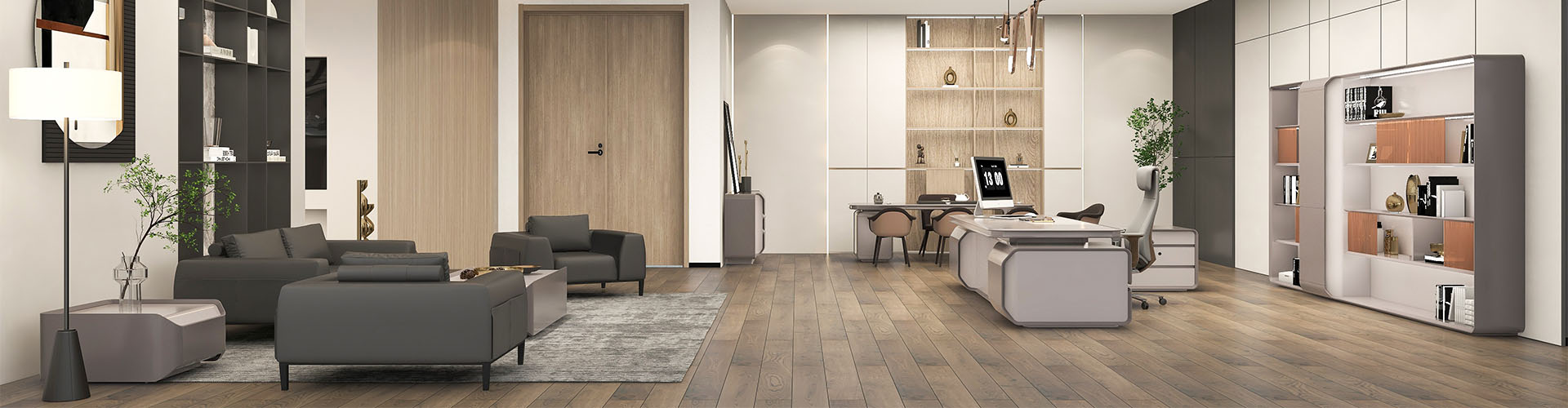
Is Custom Furniture Worth It for Your Space and Budget?
Custom furniture is worth considering when a standard item creates a costly compromise in fit, workflow, or long-term use. It is less convincing when the room is temporary or the specification is still changing. GOJO develops office furniture for executive rooms, workstations, meeting areas, and broader commercial spaces, so the decision can be discussed as a room and use problem rather than as a decorative upgrade. The key is to compare the full project cost, not only the unit price.
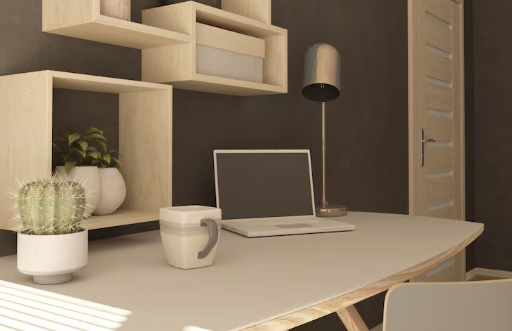
What Makes Custom Furniture Worth the Extra Planning?
A made-to-order item earns its place when it solves a physical or operational problem that an off-the-shelf product cannot solve cleanly.
Fit the Room Instead of Working Around It
Custom office furniture planning starts with the room. Wall length, circulation, door swing, power points, window positions, and the distance needed behind a chair all affect what can be installed comfortably. A desk that looks efficient in a catalog can become awkward when a user has to turn sideways to leave it. VNA office furniture gives a buyer a concrete office-furniture reference, but the useful question is whether the selected form fits the actual plan.
Pay for Workflow Gains, Not Decoration Alone
The strongest case for customization is often operational. A meeting table can reserve space for shared equipment, a workstation can keep storage within reach, and a reception counter can support the way visitors and staff move through the entrance. If the only difference is a finish that could be selected from a standard range, the premium is harder to justify.
Make the Specification Stable Before Production
Before production, issue one written brief covering the room and user count, verified dimensions, storage capacity, materials, hardware, finish, packaging, access to the site, and installation conditions. These fields connect the drawing to the way the furniture will be delivered and used. If any field is still open, identify who will approve it and by what date instead of allowing an informal decision to reach production.
Give each approved drawing and finish schedule a version number. The purchase order should refer to the same version, and any later change should trigger a written review of price, production sequence, delivery, and installation effects. This change-control step is especially important for personalized or large-scale customization, both of which are supported within GOJO’s service network.
How Should Buyers Compare Custom and Standard Furniture?
The right comparison includes price, time, fit, maintenance, replacement, and the cost of using the room badly for several years.
Compare Total Project Cost
Compare custom and standard options with the same cost fields: product price, design coordination, sample or mock-up, site measurement, packaging, shipping, installation, room modification, and the likely cost of replacement or reorder. Then add the operational effect of a poor fit, such as moving storage, losing a circulation route, delaying room use, or replacing an item that cannot be matched later. A repeated layout may justify the extra coordination; a single short-term fit-out may not.
Compare Lead Time With Project Risk
Made-to-order office desks need a clearer approval path than standard stock. A buyer should ask when drawings become fixed, when materials are released, and what happens if the room is not ready on the planned delivery date. A low quote loses its value if a delayed item holds up the opening of an office or campus area.
Compare Replacement and Repair Paths
Ask how a damaged top, leg, panel, or hardware item would be identified and replaced. The approved record should include the product or drawing reference, visible materials, finish, hardware description, and serviceable components. A custom piece should not become difficult to maintain because the original decision was described only in an email or photograph.
GOJO’s customer-service process includes a follow-up within one month after installation to ask about procurement and on-site satisfaction. Feedback is recorded, filed, and reported for continuous improvement. Buyers can use that review to confirm fit, finish, movement, and service issues while the approved specification is still easy to trace.
Which Materials and Forms Suit Different Office Areas?
Material selection should follow contact, load, cleaning, visual role, and the people who use the space every day.
Executive Rooms Need Controlled Visual Weight
Executive rooms often need furniture that gives the room a clear center without blocking movement. RuiZe office furniture can be considered as a product direction when a buyer wants a more deliberate desk presence, but the finish and scale still need to match the room. Check cable access, visitor seating, and the view from the doorway rather than judging the desk from one front photograph.
Workstations Need Repeated Daily Comfort
A workstation is judged many times a day. Desk depth, leg clearance, screen position, storage reach, and chair movement matter more than a single impressive detail. Custom furniture is useful when these relationships must be coordinated across an unusual room or a group of users with different tasks. LingRui office furniture gives buyers another office-furniture direction to compare when the workstation plan needs a coordinated family.
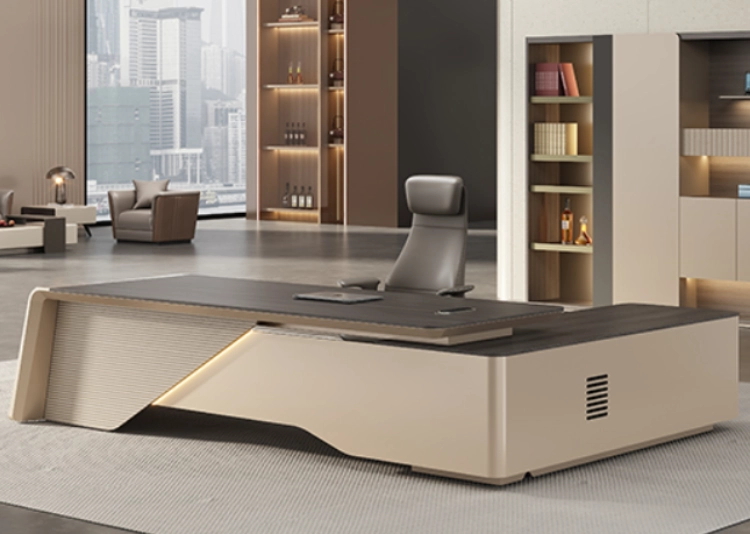
Meeting Areas Need Flexibility and Clear Circulation
Meeting furniture has to support sitting, presenting, passing materials, and leaving without interrupting a discussion. Measure the room with chairs occupied, not only with the table drawn on a plan. If the layout may change, ask whether the form can be reconfigured or whether a standard modular option would be safer for the budget.
When Should a Buyer Choose Standard Instead?
Standard furniture is often the better decision when speed, replacement, portability, or a changing plan matters more than exact integration.
Use Standard Pieces for Temporary or Flexible Sites
A leased office, pop-up training room, or short-term project may not justify a long development cycle. Standard pieces can be ordered, moved, and replaced with less coordination. The buyer should still check dimensions and quality, but the decision does not need to carry the same design investment as a permanent fit-out.
Use Custom Pieces for Repeated Constraints
A narrow room, unusual column position, integrated storage requirement, or a coordinated multi-site identity can make repeated compromises expensive. In these cases, custom office furniture can turn a recurring problem into a defined specification. The business case becomes stronger when the same logic will be used across several rooms or future orders.
Let the Approval Team See a Real Sample
A drawing cannot show every edge, surface feel, joint, or movement clearance. Before a significant order, review a sample, finish board, mock-up, or representative piece with the people who will use and maintain it. This is also the point to ask whether a detail is useful or only visually attractive.
Before approving a custom solution, price the compromise created by the standard option. Record whether it obstructs circulation, moves frequently used storage away from the user, requires room alterations, risks delaying the opening, or creates a replacement problem across repeated rooms. If the consequence is only a minor visual preference, standard furniture is usually the safer decision. If the same operational problem appears every day or across several locations, customization has a clearer business case.
The people using the room should be part of the review. A facilities manager may focus on cleaning and access, while a daily user notices glare, reach, noise, or a chair that catches on a panel. Bringing both views into the approval conversation helps separate a necessary feature from a preference. It also makes the final custom furniture easier to accept after installation because the original reason for each decision is clear.
Do not judge the result at handover only. Check whether the room remains practical when people bring bags, cables, documents, cleaning equipment, and replacement parts into it. The best custom furniture decision leaves enough room for ordinary use and future adjustment. If the design solves a narrow problem but creates a new daily obstruction, the extra specification was not worth its cost.
For a related decision framework, read Choosing Business Furniture Materials That Withstand Heavy Daily Use before finalizing the specification.
Conclusion
Approve custom furniture when three conditions are met: the room or workflow problem is documented, the drawing and finish specification are stable, and the full project cost is acceptable against the cost of the standard-option compromise. Choose standard furniture when the site is temporary, the layout is still changing, rapid replacement matters, or the custom difference is mainly decorative. Before signing off, confirm the drawing version, sample, installation conditions, service record, and reorder path.
Contact
Use the contact page to share the application, quantity, dimensions, and questions before the next review.
FAQ
Is custom furniture more expensive than standard furniture?
It often has a higher initial cost because design, sampling, special production, and delivery coordination may be added. It can still be economical when it prevents repeated room modifications or improves a high-use workflow.
What should I prepare before requesting custom furniture?
Prepare room drawings or measurements, user count, work tasks, storage needs, preferred materials, target quantity, destination, and the details that must not change. This gives the supplier a workable brief.
How can I control custom furniture cost?
Keep the brief stable, separate required functions from decoration, compare total project cost, and approve materials and dimensions before production. Repeated late changes are a common source of avoidable cost.


