

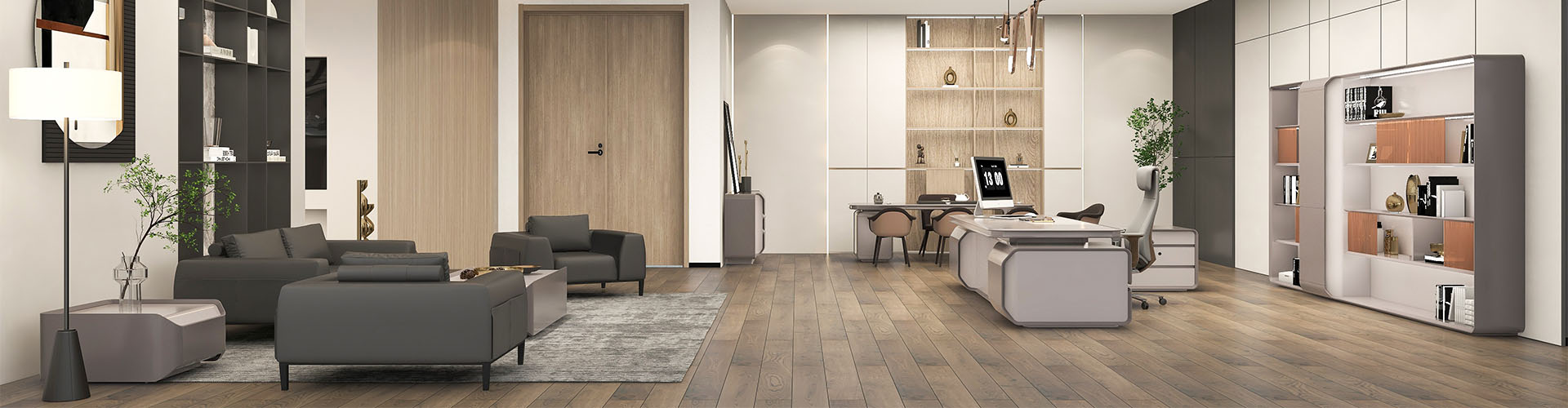
Hybrid Work Era: 5 Essential Office Furniture Trends for 2026
The work world has changed for good. As we head into 2026, the idea of an “office” does not mean one fixed spot anymore. Instead, it acts as a flexible link between home setups and main company buildings. You probably notice that the usual lines of dull gray walls no longer fit a group of people who want freedom, good health, and teamwork with real goals. To keep up, your real space needs to grow into a key tool that draws in skilled workers and keeps strong results going. This shift helps companies stay fresh and meet what teams need today, making the office a place people look forward to using when they come in.
Handling this change calls for a helper who looks past just the basic items. At GOJO, we serve as your smart guide in updating work areas. We see that each seat and table works as a way to help people do their best, so we stress “Human-Centric Engineering,” which mixes top body-friendly features with easy-to-use styles. No matter if you run a new business growing fast or a solid company moving to a lasting mix of home and office work, we offer seat systems that change bare floors into busy, helpful spots. Our focus on strong builds, nice looks, and body care makes sure your spending now stays useful for ten more years. Check out how we change the work day at GOJO. Our team draws from years of watching how spaces affect daily tasks, and we keep updating our lines based on what users say works best in real settings. This way, we help you build areas that feel right for mixed work styles, cutting down on waste and lifting team moods over time.
1. The Rise of Agile “Neighborhoods”
By 2026, the thought of a “set desk” feels old and out of date. You require a work area that acts like a breathing thing, growing, shrinking, and shifting to match what your mixed team needs each day. This pattern steps back from stiff plans toward “neighborhoods” that back certain tasks instead of tying to certain folks. These setups let groups move freely, making sure the space fits whatever comes up without big fixes or delays.
Modular Systems as Your Foundation
Picture a Monday start where your sales group wants a big shared table, but come Tuesday after lunch, they need small quiet spots for hard thinking. Flexible systems fix this kind of up-and-down flow. With items you can unhook, shift, and put back together without calling in experts, you hand your crew the chance to form their own spot. This ease means less downtime and more control over how the day goes, helping everyone stay on track with their plans.
The Ruize Series sets the best mark for this kind of quick change. Its build centers on smooth switches, giving a united style that hides a smart, bendable base. You can make wide-open lines or close groups in just a few minutes. This bend lets you avoid losing costly room space on unused spots, so you make the best use of every bit of floor for the people who show up that day. Users often tell us how this series cuts setup time in half, letting teams focus on work rather than moving things around. Plus, its strong parts hold up to daily pulls and pushes, keeping the look sharp year after year.
2. “Resimercial” Design: The New Professional Aesthetic
The line between “home ease” and “office use” has faded away. Your staff have taken years to build cozy home desks, and going back to a plain, chilly spot seems like moving in the wrong direction. The “Resimercial” pattern pulls the cozy feel, rough touches, and heart of house styles into business places. This mix makes the office less like a factory and more like a welcoming spot where people can settle in without feeling out of place.
Elevating the Sensory Experience
This pattern goes beyond just how things look; it is about the way a room affects your senses. By adding smooth cloths, full skins, and natural bends, you cut the tense “run or stay” feeling that stiff business spots often bring. A friendly area lowers worry on its own, which matters a lot for solving problems with new ideas. Studies show that such setups help brains work better, leading to more fresh thoughts during team talks.
When you check our Chair Collection, you spot this idea at work. These are not plain tools; they are carefully made seats that use fine cloth and real skins to give a touch sense often saved for fancy houses. By picking seats that put both nice feel and real use first, you show your group that their ease ranks high, not as an extra. This way turns the office into a spot people pick to visit, not one they have to attend. Many clients share stories of how these chairs spark longer stays and better chats, building stronger links among far-off workers who only meet face-to-face now and then.
3. Advanced Ergonomics: Beyond Basic Adjustability
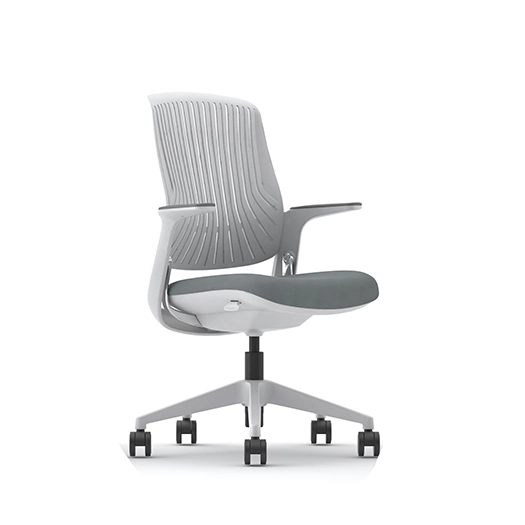
In 2026, “ergonomic” stops being a sales term and becomes a must-have base. With more jobs tied to screens, you have to handle the body wear from hours of staring. New body-friendly ways center on active help, so the items change with your small shifts all day long. This keeps you moving naturally, avoiding the stiff aches that come from locked positions.
Supportive Health Systems
Real body aid means your items should work as much as you do. Look for seats with moving back support that tracks your spine’s bend when you shift, and tables that push “pose changes.” The aim is to hold your frame in “live balance,” cutting chances of ongoing hurt and tiredness. Doctors note that such tools help cut sick days by keeping muscles loose and joints safe during long shifts.
A top seat should give many-way arm holds and easy pull settings. When your gear takes the load of sitting, your mind can stay on the job without body pulls. Putting money into these fine points is not only a health pick; it is a way to boost output that brings back gains through fewer missed days and happier staff. Teams using these often report sharper focus and fewer breaks, making whole days more effective from start to finish.
4. Collaborative Hubs and Social Anchors
In the mixed work time, the main draw to come to a real office is the “people side.” So, your items must help build ties. By 2026, the plain “rest room” gives way to smart-working “Collaborative Hubs.” These spots turn quick stops into real chances for sharing, keeping the energy high even with fewer full-time faces around.
Creating Spaces for “Collision”
New ideas often pop up in gaps between planned meets. You can push these surprise “bumps” by setting cozy social spots, like seat groups or tall shared tables, in busy paths. These areas should have tech hooks but keep a laid-back air, so a light talk can grow into a big win. Placing them near doors or halls makes sure folks run into each other often, sparking chats that lead to better plans.
The plan should put group vibe first. Rather than walling folks apart, use short shelves or sound plants to make “gentle” lines. This holds the office feeling wide and full of life, so when your mixed workers arrive, they catch the company’s beat right away. Feedback from users shows these hubs lift team feel, making rare in-person days count more for building trust and fresh views across the group.
5. Sustainable Longevity and Ethical Sourcing
As you set up your 2026 work space, green ways likely form a big part of your company image. The pattern now skips “throw-away” office items for fine pieces with long lives. You want clear info on stuff and how they are made. This focus helps meet rules and shows care for the world, drawing in workers who value such steps.
Quality as a Green Strategy
The greenest item is one you skip changing for fifteen years. By picking builds with tough plastic feet, thick shaped pads, and lasting coats, you shrink your earth mark just by keeping them longer. Fair getting of skins and use of reused cloths now match what smart businesses expect. Suppliers share details on where parts come from, ensuring no harm in the chain from farm to factory.
Long-term, it builds a name for smart choices, helping pull top talent who seek places with real care for people and planet. Clients using our lines often see lower bills over time and praise the easy upkeep that keeps spaces looking new without extra work.
FAQ
Q: Why is modular furniture like the Ruize Series better than custom-built fixed workstations?
A: Fixed workstations cost a lot to shift and cannot grow easy. Modular furniture lets you fit team changes fast without build fees. If your group gets bigger or your mixed plan changes, you just shift the parts you have to match the new way, making it a smarter money choice for years. This setup also means less mess during moves, keeping work flowing without big stops.
Q: How does “Resimercial” seating affect professional productivity?
A: Many think ease brings laziness, but that is not true. In fact, body unease pulls focus away big time. When you add fine cloth or skin seats that feel like home yet hold like office gear, you stop the need for constant moves and fixes, so staff can stay deep in tasks without breaks. This leads to better output and fewer tired spots in the day, as people settle quicker into their flow.
Q: Is it worth investing in premium ergonomic chairs for part-time hybrid workers?
A: Yes, for sure. Even if a worker comes in just two days weekly, bad setups still risk hurt. Giving the same top body aid in all spots makes sure every person, no matter their hours, feels backed and cared for, which matters a lot for fair treatment in mixed teams. This even hand builds trust and keeps all on the same page, boosting the whole group’s drive and results.


