

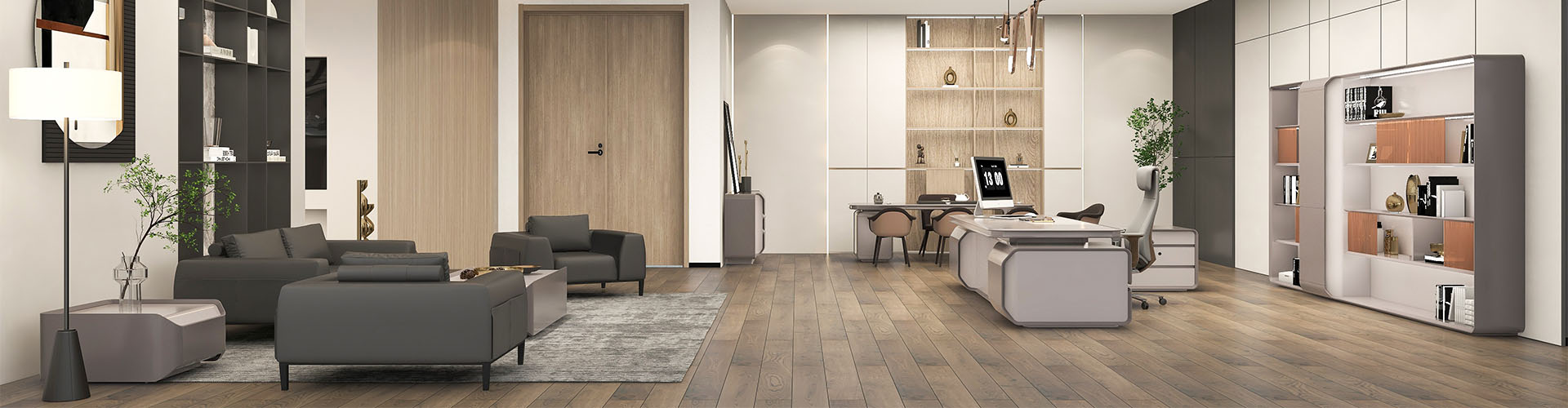
How to Design Agile Corporate Learning Spaces for 2026
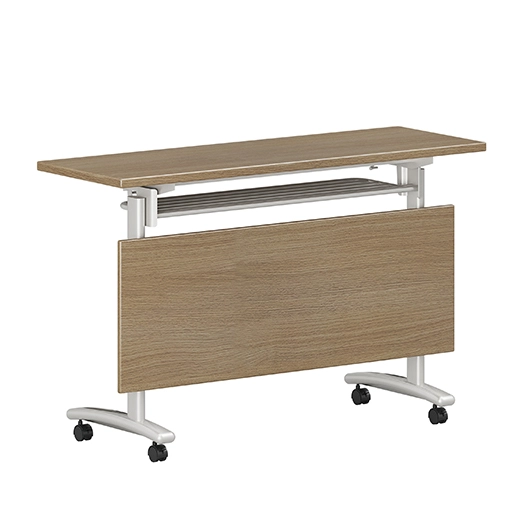
Corporate learning is no longer limited to a fixed classroom, a row of desks, and a trainer at the front. In 2026, your learning space needs to support faster skill updates, hybrid teams, and active employee participation. A well-planned room should shift from instruction to group work, from formal training to coaching, and from presentation to practice without wasting time.
This is where GOJO can help you plan a more agile learning environment. The brand focuses on high-quality office spaces that are comfortable, efficient, smart, and professional. When you choose training furniture, you shape how people listen, discuss, solve problems, and apply new skills at work.
Start with the real purpose of the learning space
Before you select furniture, define what the space must do for your teams. New employee orientation has different needs from a leadership workshop or product training. A sales team may need role-play layouts, while a technical team may need tables that support laptops, notes, and shared screens.
Instead of designing one static training room, think in learning modes: instruction, workshops, peer discussion, and project review. Each mode should feel natural, not forced.
Match furniture to learning behavior
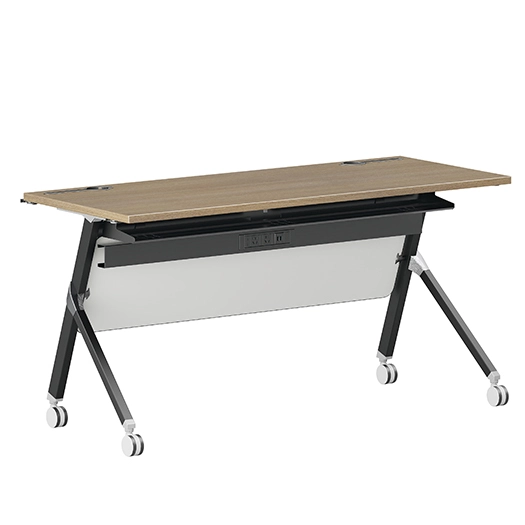
If your sessions are structured and frequent, BEI ER is a strong choice for the core training area. It suits a professional room where order, focus, and repeat use matter, such as onboarding, product training, and staff development.
For a more flexible zone, P is useful as a lighter training furniture option. It can support small group discussion, quick coaching, breakout learning, or a learning corner near the main office. When you combine BEI ER and P, people can move from instruction to collaboration with less friction.
Build flexibility into the layout from day one
Agile learning spaces need more than movable furniture. They need a layout plan that lets your team change the room quickly and keep the experience smooth. If every change requires heavy lifting, complex storage, or facility support, the space will soon return to one fixed layout.
Plan clear movement paths. Trainers should reach each group easily. Participants should move between tables without disturbing others. Screens and whiteboards should stay visible from several angles. Storage should sit close enough to support quick setup, but not block activity.
Plan for small, medium, and large teams
For a small office, a compact learning corner may be enough. You can use P to create a flexible area for weekly coaching, team reviews, and short training sessions. This works well when space is limited and the room must support more than one function.
For a medium-size company, a main training room with BEI ER can provide a stable base. Add P in nearby breakout areas, and you can start with a presentation, split into groups, then return for review.
For a large company, consider a learning center with several zones for formal training, workshops, informal exchange, and review. GOJO space planning ideas can support different scales, from compact offices to larger spaces with training, meeting, work, and leisure areas.
Design for collaboration, not passive attendance
Many companies invest in training content but ignore the space where learning happens. Yet the room often decides whether people stay passive or take part. If the furniture locks everyone into a lecture format, interaction becomes harder. If the layout supports eye contact, movement, and group work, participation improves.
A strong 2026 learning space should help people speak, write, share, and present. Tables should support notebooks, laptops, and training materials. The room should let teams form groups without dragging furniture across the floor.
Use product combinations to support the full session
BEI ER can act as the anchor product for formal training. It gives you a clear, organized setting where people know where to sit and how to focus. Use it when you need consistency, a clean room image, and a reliable setup for repeated sessions.
P can extend the room’s value. Place it in a side area for quick team tasks or use it as a flexible element in a workshop room. It helps you avoid a common problem: one room that works for lectures but fails during collaboration.
Make the space comfortable enough for deeper learning
Learning requires attention. If the space feels cramped, noisy, cold, or visually messy, people lose focus. Comfort includes good proportions, easy movement, tidy surfaces, suitable materials, and a professional atmosphere.
GOJO’s design approach fits this need because it connects product quality with the overall spatial effect. For a corporate learning area, the furniture should match your office image, not look like temporary classroom equipment. A polished room also shows that learning is part of your company culture.
Keep cable routes away from walking paths. Avoid furniture that creates dead corners. Provide enough surface area for laptops and documents, but do not overload the room. Leave wall space for screens, boards, or learning displays. BEI ER can create the structured side of the space, while P can soften the layout with flexible learning points.
Prepare for hybrid and technology-enabled learning
By 2026, many corporate training sessions will involve digital tools. Some participants may join remotely. Some sessions may use video, digital boards, or shared online materials. Your room should support that reality without becoming complicated.
Plan the screen position early. Check sightlines from each seat. Make sure trainers have a place for devices and notes. Keep power access practical. Good technology planning helps the room stay neat and reduces delays at the start of each session.
Choose furniture that supports devices and activity
Training furniture should not compete with technology. It should make technology easier to use. BEI ER can support a formal setup where participants need a clear writing and device surface. P can support short sessions that use tablets, laptops, or printed materials in smaller groups.
This matters because agile learning often moves fast. If the space supports presentation, group work, and feedback in one rhythm, the session feels professional and efficient.
Think beyond the product: plan service, delivery, and long-term use
A corporate learning space is a project, not a single purchase. You need product selection, layout advice, delivery coordination, installation, and after-sales support. You also need a supplier that can respond when your space grows or your training model changes.
GOJO provides more than product categories. Its service concept includes a professional sales team, user-first service, quality-first thinking, timely response, return visits, inspection, and warranty support. This matters because training spaces often serve many users and face frequent layout changes.
For project planning, product selection, or after-sales questions, you can reach the contact team and discuss your room size, training format, and budget. You can also explore GOJO to review product categories and plan a complete office learning environment.
Conclusion: create a learning space that can evolve
The best corporate learning spaces for 2026 will not be the largest or the most decorative. They will be the spaces that adapt to real training needs. You need a room that supports focus, movement, teamwork, digital tools, and long-term use.
BEI ER is recommended when you need a stable, professional main training area. P is recommended when you need a flexible, smaller-scale learning zone or breakout space. Together, they help you move beyond a fixed classroom and create an agile learning environment that supports how modern teams grow.
FAQ
Q: How do I know whether BEI ER or P is better for my training space?
A: Choose BEI ER when you need a main training room for regular sessions, onboarding, or formal corporate learning. Choose P when you need a smaller, more flexible area for discussion, coaching, or breakout activities. Many companies can use both for a complete layout.
Q: Can one room support both lectures and workshops?
A: Yes. The key is to plan the room around learning modes. Use a stable furniture setup for instruction, then add flexible pieces for group work, discussion, and review. This makes one room more useful across different training formats.
Q: What should I prepare before asking for a space solution?
A: Prepare your room size, expected number of users, main training types, technology needs, storage needs, and preferred style. These details help the project team recommend a more accurate furniture mix and layout.
Source basis: the product and contact hyperlinks are based on the official BEI ER, P, homepage, and contact pages; the space planning and service points are based on the uploaded company materials.


