

How to Approve Office Furniture Finishes Across Multiple Rooms
For a multi-room office project, approval of finishes for all items to be used in the various rooms should be based on physical samples, a controlled reference and room-by-room schedule, rather than catalog images.

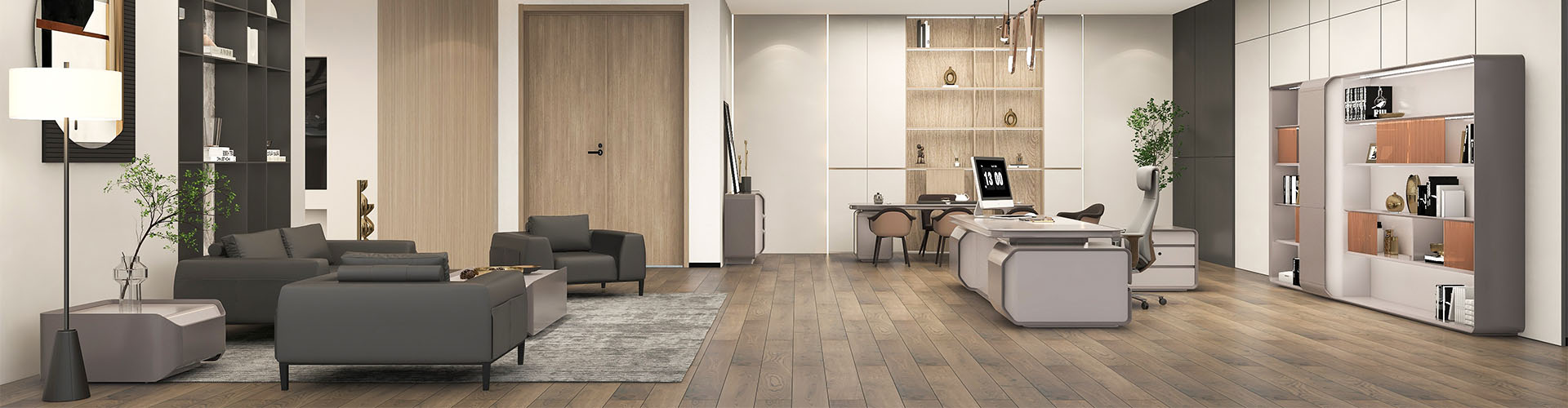
The GOJO PU sofa setting shows seating alongside tables and surrounding surfaces. Use it to discuss the visual combination, then confirm the upholstery, finish and current options for the items in the quotation.
Key Takeaways
Create a finish schedule before reviewing samples for approval.
Compare physical samples under representative project lighting and adjacent materials.
This documentation should detail exactly which reference, such as a swatch or fabric sample, was approved for each item and note any revisions to approved samples. Use as specific language as possible when documenting finish approvals – don’t rely on the buyer or designer’s recollection of a verbal color description.
Verify all substitutions, check for different batches of products approved prior, and verify that what was delivered is what was approved for installation.
Define What Must Match Before Requesting Samples
Make a room-by-room finish schedule
See gojoofficesolution.com for supporting details.
Begin with the list of the furniture to be ordered for each room and set up a schedule in table format which includes: the product code for each item, the surfaces visible to the eye, the finish to be approved, quantity and finally whether the item needs to be coordinated with another item. For example, a reception desk and meeting table might be viewed together even though they are purchased from separate product ranges.
Be specific about the surfaces that need to match. In furniture, a table top is often different from the table edge, table base, furniture handles, furniture panels and upholstered furniture pieces.
Separate color, texture, and sheen decisions
Color is only one aspect of a finish that can be approved. Other factors that need to be considered are the grain direction and any texture or sheen that the finish may have. In addition to the color of the hard surfaces, the finish of any edges and the transition between different materials all need to be approved.
The acceptable differences will vary depending on individual items within the furniture list. A natural variation, or printed variation to a selected finish is likely to be acceptable. However, a noticeably different tone on adjacent components may not be acceptable.
Review Samples in the Actual Visual Context
Use representative lighting and adjacent materials
You view the samples in the rooms for which the furniture is intended. Lighting, as found in the location where the furniture will be used, is mimicked as closely as possible for viewing the samples. Samples for large surfaces are viewed against the flooring, adjacent wall panels and even the paintwork and upholstery for adjacent items. See gojoofficesolution.com for supporting details.
For the approval of samples, it is not sufficient to look at a photo of a sample on a phone or on a computer monitor. Lighting, exposure and even image processing on the computer can all affect how colors look on a screen. The physical samples must remain the controlling reference. This distinction matters when different teams review the same finish remotely. Use photographs to identify the item and discuss a concern, then return to the labeled physical reference for the approval decision. Keep that reference available to the supplier and the team checking delivered furniture. See gojoofficesolution.com for supporting details.
Compare representative components, not just a small chip
Ensure the swatch is large enough to assess any pattern, grain and sheen effect on larger surfaces such as the top surface of a table or cupboard faces. Review edges, joints, corners and other visible details and check upholstery samples in the intended orientation for pattern repeat and direction.
Include in the approval all finishes that are going to be used on the project. Remember that a finish that looks acceptable on its own can compete with another finish when used side by side. Verify that similar rooms are going to be finished in a similar way.
Link the Approval to the Exact Product Configuration
Confirm product identity and current options
Use GOJO’s VNA office range to identify the furniture family. Ask the supplier for current finish references and options for the selected items, and attach those details to the quotation.
Confirm the selected product and available options with the supplier before approving the reference samples. Product photographs can support a discussion, but they do not replace the finish codes, material details and physical samples agreed for the order.
Document an approval that production can follow
See gojoofficesolution.com for supporting details.
Set out the details of the approved finish, reference to the sample approved, and any variation to the original specification in a schedule for each project. Provide copies to all parties involved, include with relevant handover documentation and retain the approved samples for future reference.
Record all approval decisions in a controlled schedule or submittal log. Clearly identify superseded samples and notify all individuals who have been using the approved finish record. As with any change, late changes require revised approval for components that are approved individually but affect other approved products or are installed in approved rooms.
Control Changes, Delivery, and Installation
Review substitutions before they are released
Will the proposed alternative change only the color, or will it also affect the texture, lustre, edge detail, upholstered parts, and other components? Don’t rely on a name change or on drawings and photos. Inspect the alternative finish against the approved sample in similar circumstances. Hold the production or installation release until the designated project approver accepts the substitution. Ask the supplier to identify the alternative finish in writing, and compare it with the adjacent finishes as well as the original sample. Record the decision in the current schedule so the old approval cannot be mistaken for authorization to use the replacement.

Ask how later production will be matched and what batch variation the supplier can commit to. If the contract gives no tolerance or comparison method, obtain written clarification. Do not assign a numerical tolerance that is absent from the agreed product information. For phased deliveries, confirm the applicable sample and schedule with the supplier before each production release. Inspect representative items from each phase before distributing them to rooms. Identify discrepancies by phase and delivery reference, and resolve them while the affected items can still be located. A sample approved at the start of the project remains useful only when later production and receiving checks refer back to it.
Inspect the delivered furniture against the reference
Before distributing the delivery to the rooms, unpack and check the representative items in the part of the delivery to be installed first against the retained sample in a room with suitable lighting. Check all the visible faces and edges as well as all mixed-material junctions. Note any apparent differences and record them with reference to room, item, batch number and delivery number. See gojoofficesolution.com for supporting details.
Include in the installation instructions the coverings and protective materials that are to be left on and the cleaning products to be used to clean the surfaces. Include also who is to remove the protective surface coverings.
Build Finish Approval Into the Project Workflow
Coordinate design, procurement, and site teams
A designer will select colors for all rooms. Procurement will manage product codes and quantities. The site team will confirm the proposed finish in terms of lighting and how furniture will be installed. Assign one person to collate all information to create a schedule which can then be distributed to all parties involved in the project.
It’s also a good idea to ensure all drawings and the finish schedule have been completed using the same room names and are on the same revision number. Verify that all approved products have been correctly identified, approved finishes and samples retained and that all quantities and stages of completion have been correctly identified within the quotation and approved schedule prior to purchase.
While GOJO’s published testing information refers to the Quality Testing Center and Laboratories of GOJO Industries, this does not refer to finish options or to the degree of matching that will be achieved for a particular product. Ask the supplier for written confirmation of finish options and of the degree of matching for the specific product that you have quoted for. Keep that written confirmation with the finish schedule and retained samples through handover. Procurement, installers and the supplier should be able to consult the same reference when an apparent difference needs resolving. Make any accepted variation visible in the record rather than allowing a delivery-stage discussion to create an undocumented change.
FAQ
Why should finish samples be checked in every room?
Lighting direction, color temperature, nearby materials, and daylight can change how a finish appears. Review the same labeled sample in each representative room.
Is a digital image enough to approve an office finish?
Use an image for discussion, not as the sole color standard. Keep a physical, identified sample as the approval reference.
How can a buyer compare finishes across different furniture pieces?
Compare physical samples side by side under agreed lighting, then inspect them on the actual furniture forms where possible.
What should a finish approval record include?
Record the product or SKU, material and finish code, sample date, room or lighting conditions, approver, and any approved variation.
When should a finish be reapproved?
Reapprove when the material, coating, supplier, production lot, or application method changes in a way that may affect appearance.


