

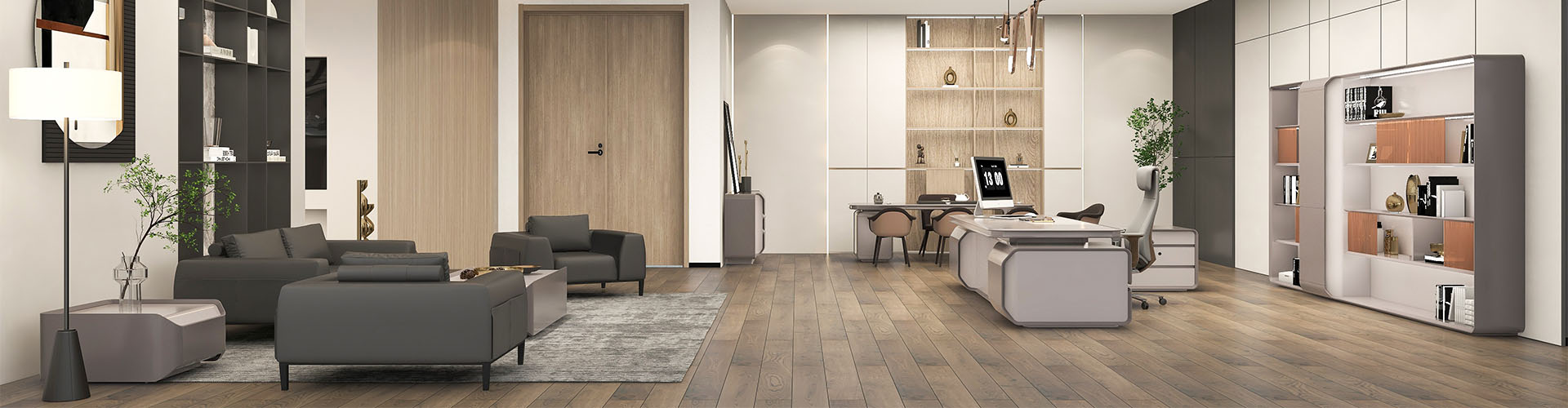
From Sharp Edges to Organic Curves: Why Biomorphic Seating is the Future of Comfort
In today’s business settings, the hard straight lines from before are slowly going away. You might recall the time when desks had pointed corners and chairs looked like simple boxes, which seemed more like medical tools than spots that sparked good thoughts. But now, as we move toward 2025, a big change is taking place. We see a move from plain, box-like areas to places that seem alive, flexible, and smooth. This change comes from biophilic office design, an idea that links you back to the outdoors through careful choices in building shapes and seat options. In fact, this approach helps workers feel more at ease in their daily tasks, turning what used to be stiff rooms into welcoming areas where ideas can grow freely without the old sense of being trapped in a cold space.
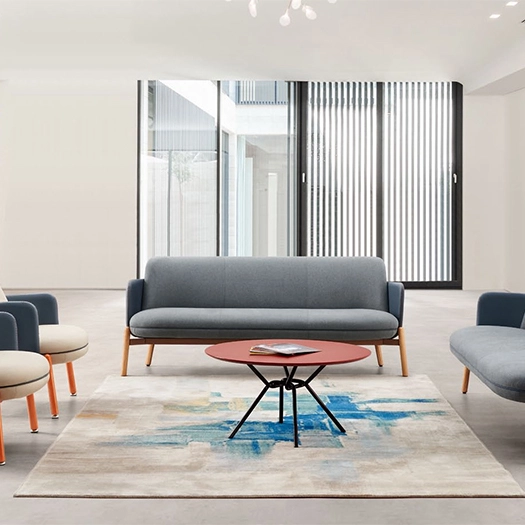
The Human Need for Natural Fluidity
Why does a pointed edge seem harsh while a rounded one feels kind? Our bodies, shaped by years of growth, make our minds link rough lines to possible risks and gentle bends to safe spots. When you enter a work area full of Biomorphic forms, your body lets go of some stress in a quiet way. This goes beyond just how things look; it ties directly to how well you do your job. A calm brain leads to better fresh ideas. Over time, these small changes in surroundings can build up to improve overall team mood and output, making the whole workplace feel less like a battle and more like a place to build and share.
When you add biophilic office design to your room layout, you accept that the folks using those seats are living beings, not mere machines for handling facts. True ease in the days ahead comes from copying the uneven, smooth ways seen in the wild, like the outline of a smooth rock in a stream, the rise of a hill made of sand, or the soft bend of a green leaf. As your work spot takes on these shapes, the office changes from a locked box to a lively system where people can breathe easier and connect better with their tasks. This shift not only boosts daily comfort but also helps long-term health by cutting down on the strain that comes from spending hours in unnatural setups.
A New Standard in Professional Environments
Before we go further into how these styles work, you ought to learn about the group leading this change. If you want to freshen up your work area, find a teammate that mixes strong building skills with real knowledge of body comfort. GOJO serves as a top worldwide supplier of fine work solutions, focusing on making spots where getting things done pairs well with feeling good. From my years in this work, I have checked out many companies, but how this group blends tough lasting quality with smart style ideas stands out. They work based on a “people-first” view, making sure each bit of hide and each bend in the timber has a real use for the person sitting there. No matter if you set up a key meeting room or a lively new company spot, their skill in gojo office setup means your seats do not just get put down; they fit into a bigger picture of winning at work. This careful planning helps businesses of all sizes create areas that support steady growth and keep workers happy over months and years of use.
The Psychological Impact of Curved Shapes
When you swap a usual straight sofa for one with bends, you alter how people talk and act in the space. Firm lines push for a “next to each other” way of chatting, which can come off as cold and distant. On the other hand, natural bends pull folks closer in a soft way, making it easier to look at each other and start talks without effort. These changes in how seats are shaped can quietly shape daily interactions, leading to stronger team ties and more open sharing of thoughts that might otherwise stay hidden in stricter setups.
This move to gentle forms forms a main part of biomorphic furniture design. By taking away the “eye clutter” from pointed ends, you build a feeling of smooth flow. The gaze moves easily around the area without stops from rough cuts. This smooth path leads to workers who pay better attention to their jobs. You will notice that in spots ruled by bends, worry goes down, and the “run or stay” body reaction, which sharp, messy places often start, stays quiet. In the end, these design choices create a calmer atmosphere that helps everyone handle busy days with less inner pushback and more clear focus on what matters most.
Redefining Collaborative Spaces
To watch this idea at work, check how current rest areas get remade. The aim is to make a “pull spot” for new thoughts. A seat like the Organic Flow Sofa shows this in a clear way. Its winding outline does not just rest in the room; it leads how people move near it. Without stiff backs or hard corners, those using it can face many ways, giving a free feeling that a normal seat cannot match. This captures the heart of the gojo furniture way of thinking: giving items that fit how people act, instead of making people change to fit the items. Such seats turn simple corners into lively hubs where talks flow naturally, boosting group work and helping teams solve problems faster in a setting that feels supportive rather than limiting.
Nature-Inspired Textures and the Tactile Experience
Ease does not come only from sight or body fit; it comes from touch as well. In a time full of flat screen glass and chilly plastic, your skin wants different feels. That is why styles for 2025 push for cloths that copy the sense of wild things. These touches bring back a basic link to the earth, helping workers shake off the dullness of screen time and recharge through simple contact that reminds them of calmer, real-world spots.
Picture sliding your fingers over a face that seems like old rock or the fine lines in tree skin. When you choose seats with wild-based feels, such as bumpy hide or looped cloths in green shades, you give your team a way to feel steady in the now. These stuffs help hold a person in the current time, cutting the brain tiredness from long stretches at computers. By adding these layers, offices become places where breaks feel truly refreshing, leading to sharper minds and fewer errors during the workday grind.
The Role of Earthy Tones and Modular Flexibility
Picking colors forms the last link between the natural form and how it affects feelings. Stepping from bright whites and work grays to warm reds, soft greens, and rich browns adds a “cozy” that makes people want to linger. These shades, used on flexible setups, let you shape your own custom views inside the work area. This choice not only sets the mood but also allows for changes as needs shift, keeping the space fresh and matched to whatever the day brings.
Flexible sofas in ground colors let you act as the builder of your own rest. You can group them for a snug, hidden nook for close work, or open them wide to look like a big field for full team meets. This bendable side makes sure your office stays a changing, active place that grows with what you need each day. In practice, this means less hassle when rearranging for new projects or growing teams, saving time and keeping everyone productive without the drag of fixed layouts that feel outdated quickly.
Privacy Through an Organic Lens
One main worry in today’s wide-open work floors is losing private space. Lots of people think that for “calm moments,” you must hide behind a firm door. Yet, the newest steps in biomorphic seats show you can get alone time just through the form. Tall-backed bent seats work as sound and sight blocks, folding around the user in a safe “shell” without any walls needed. This smart way keeps the open feel while giving spots to think clearly, balancing the buzz of shared work with the need for quiet steps that every task requires.
This planning method gives the top from each side: you stay in the work flow while having a set-aside safe spot for your ideas. It centers on making a “small world” that seems own and protected. Such areas help workers switch between group energy and solo time smoothly, cutting stress from constant noise and building a sense of control over their own work rhythm in a busy setting.
Engineering the Perfect Embrace
For times when you pull back to think hard, the Angular Embrace Sofa brings a smart fix. Though the title hints at a corner, the real build focuses on the full wrap of body safety. It uses high, soft sides to make a private sound area. This item points out that rest in the gojo office goes beyond just being plush; it means feeling held and guarded from the mess of a full day at work. In daily use, this turns potential distractions into focused zones, where important calls or planning sessions happen without outside pulls, leading to better results and less rework later on.
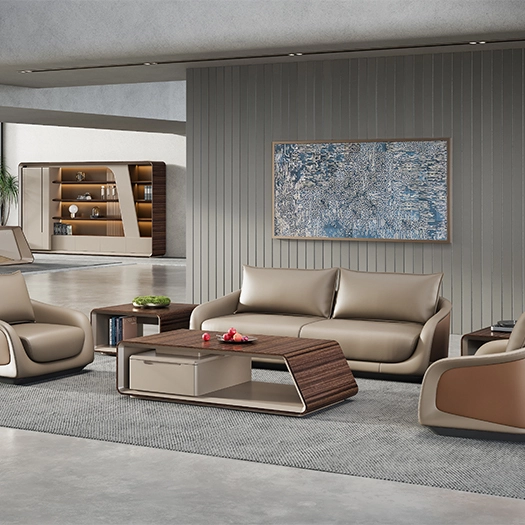
The Future is Fluid
Picking seats now means more than buying things; it shows how much you care for the folks running your company. By taking on biomorphic style, you step to a kinder, more effective, and green way of doing jobs. You swap the “hard points” of work worry for the “natural bends” of people health. This choice sets your business apart, drawing in talent who seek places that match modern life and support long careers without burnout.
As you plan your next work update, keep in mind that the best areas feel less like a plant and more like a home base. Adding biophilic office design and solid gojo furniture makes sure your spot is not just for tasks, but a place where folks do well and grow. Over the coming years, this focus will likely lead to higher stays, better ideas, and a company culture that stands strong in a changing market full of new challenges.
Support and Expertise
Moving to a natural work layout can seem tricky at first. From choosing the best hide feels to planning the path of a flexible rest area, pro help makes the split between a messy room and a smooth one. Skilled guides stand ready to aid you in seeing these items in your own room map, offering picture models and stuff tests to make your plan real. If you aim to change your work spot into a calm center of today’s output, get in touch for a custom talk and start the path to a better, easier tomorrow. This support covers everything from small tweaks to full overhauls, ensuring your space fits your goals while staying practical for everyday needs and future shifts.
FAQ
Q: Does biomorphic furniture take up more space than traditional rectangular furniture?
A: Not always. While bent items might cover a special area, they usually cut out the “empty spots” from stiff ends. Since they let seats face many ways and move better, they can make a tight office seem wider and more useful. In real setups, this often frees up paths for quicker walks and better use of corners that straight pieces waste, turning tight spots into smart, flowing areas without feeling crowded.
Q: Are nature-inspired fabrics like those used in biophilic design durable enough for high-traffic offices?
A: Yes. New cloth making lets for stuffs that look and feel like wild green, rock, or timber but keep work-level strength. These items get built to fight stains and handle thousands of “wipe turns” in a full business spot. This means they stand up to daily spills, heavy sits, and quick cleans without losing their nice touch or color, keeping the lounge fresh and pro-looking even after months of hard use by many hands.
Q: How do I mix curved biomorphic pieces with my existing straight-edged desks?
A: The main point is evenness. You do not have to change all at the same time. Begin by adding natural forms in “meet zones” like entry halls, snack rooms, or easy talk spots. The mix of firm work tables and smooth rest areas makes a sight beat that marks clear parts of the office. This step-by-step way lets you test changes without big costs, slowly building a full look that blends old and new while keeping work smooth and zones defined for different needs.


