

From Cubicles to Collaboration: Choosing the Right Furniture for Hybrid Work Models
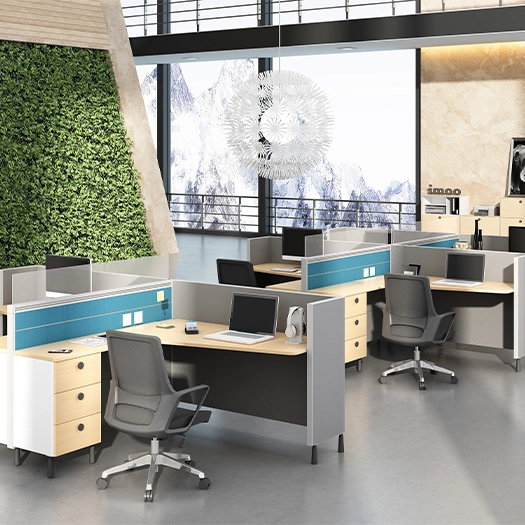
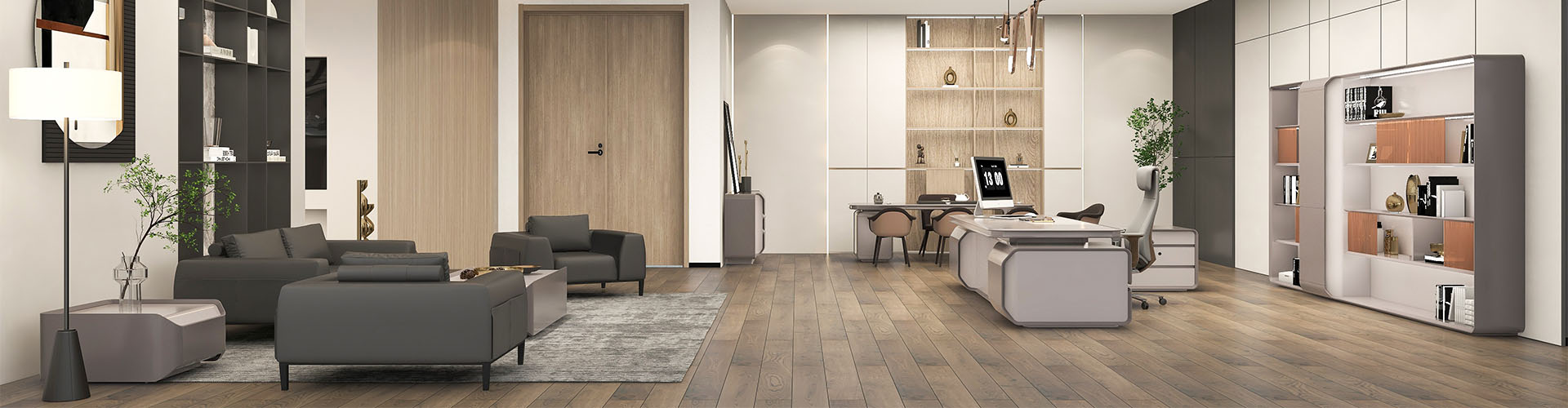
The usual office setup is disappearing. If you enter a current company main building these days, the straight lines of dull grey partitions that once shaped work life are giving way to smooth, wide-open areas. This change goes beyond simple looks; it answers the growth of mixed work styles. When you decide to visit the real office now, you do not seek a table you could use just as well from home. You look for links with others, sudden idea sharing, and the special equipment that home setups miss.
Handling this shift needs more than a fresh layout plan. It calls for a basic shift in how you see office items. As groups move back and forth between online and in-person work, your furniture has to serve as a connector. GOJO understands that the mixed office no longer stands as one fixed spot but as a flexible system built to aid both lively group work and calm, deep thinking. This understanding comes from years of watching how teams adapt to new ways of working, and it shapes every piece we design to fit seamlessly into changing daily routines. By focusing on practical needs, we ensure that the space supports not just tasks but also the well-being of everyone who uses it, creating an environment where productivity feels natural and sustainable over time.
Redefining the “We” Space with Modular Comfort
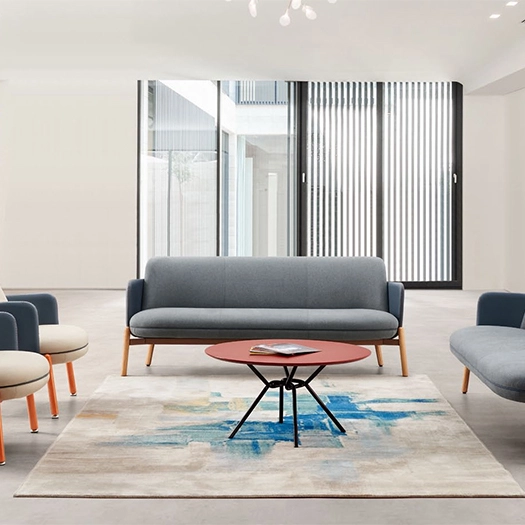
The main cause you and your group meet in the real office is to connect with each other. Yet, usual meeting rooms often seem too stiff for the fast, inventive “check-ins” that push current business forward. To build a setting where thoughts move freely, you need to make “Third Spaces” areas that seem as cozy as a family room but work with business-like speed.
This is where adjustable seating turns into a smart tool. Instead of set benches, think about a changeable base like the modular sofa. This setup lets you change your surroundings in just a few minutes. Whether you want a round center for a morning team talk or single parts placed around a rest area for easy chatting, the flexibility of GOJO plans makes sure your area grows with your everyday wants. These designs draw from real-world feedback, allowing spaces to shift from group discussions to quiet breaks without any hassle, which keeps energy high and ideas flowing throughout the workday. In practice, this means less time spent rearranging and more time focused on what matters, building a workplace that feels alive and responsive to the team’s rhythm.
When you put comfort first with fine fabrics and body-friendly backing, you cut down the mental walls to talking. Workers tend to share their thoughts more when they sit easy. By adding these “gentle” group spots, you change the office from a spot where people must stay into a place they choose to join. This shift not only boosts morale but also encourages a sense of ownership among staff, as they see the space tailored to their needs, fostering loyalty and creative output in equal measure. Over time, such thoughtful arrangements lead to higher engagement levels, turning occasional visits into preferred workdays.
Solving the Privacy Paradox in Open Layouts
While group work forms the core of the mixed model, the “Privacy Paradox” stays as a big challenge. You have probably felt the annoyance of trying to run a private video chat in a lively open office plan. The sounds from a close snack time or a noisy idea session can break your focus and harm work rules.
Mixed work requires a mix of open and closed areas. If the office stays only “noisy” and “group-focused,” output for solo jobs will drop fast. To fix this, you should add building-like furniture that gives quick quiet without costly, lasting builds.
The Quiet+ Acoustic Booth Series works as the best fix for office sounds. These small rooms act as personal hideaways in the bigger setup. When you enter a GOJO sound booth, the outer noise drops off, letting you give full attention to a tough paper or a careful client talk. These parts come with built-in air flow and electricity, making sure your “deep work” times feel as nice as they work well. By offering these set-aside areas, you respect the different ways your group works, so quiet types and outgoing ones both do their best. This balance helps prevent burnout from constant noise, allowing individuals to recharge privately while still contributing to team goals when needed. In many offices, adding such booths has led to noticeable improvements in focus and overall satisfaction, proving their value in diverse work settings.
Flexibility and Ergonomics: The Hybrid Foundation
A working mixed office fits whoever comes in on any day. Since “hot-desking” or shared tables mark these setups, the furniture must adjust for all. You cannot count on a single-style chair to help a group with different body needs.
Spending on body-friendly quality means putting money into your group’s health and staying power over time. GOJO works on making work spots with easy changes. From tables that raise to chairs with moving back support, the aim stays to cut body tiredness. When your frame gets right backing, your thoughts stay open for new ideas instead of pain. This approach not only supports physical health but also promotes mental clarity, essential for tackling complex projects in a fast-paced environment. Teams that use such furniture often report fewer sick days and higher motivation, linking comfort directly to better results.
Plus, the stuff you pick shows a lot about your company’s promise to good standards. Strong, earth-friendly furniture cuts the call for often swaps, turning it into a wiser money choice for a building business. As you leave the “partition field” behind, picking items that mix clean, now looks with tough build keeps your office useful and fitting for years ahead. These choices reflect a forward-thinking mindset, aligning with trends toward sustainability and employee wellness that appeal to top talent in today’s job market. By investing thoughtfully, you create a space that not only meets current demands but anticipates future shifts in how work happens.
Comprehensive Support for Your Workspace Transformation
Switching to a mixed model can seem too much. You do not just pick seats; you shape an full experience. This is why a helper who gives more than goods matters so much. From the first idea stage to the last setup, pro advice stops usual errors like too many people in one spot or bad walk paths.
At GOJO, the care goes past the buy. You get special help groups that aid you in figuring the best mix of group areas to private small rooms. Whether you run a tiny new company or a big firm, the plan stays the same: look at how your group really does tasks and give the tools that help them shine. Our experts draw on case studies from similar transformations, offering insights that save time and money while maximizing the potential of your space. This end-to-end service includes everything from space audits to custom designs, ensuring the final result feels intuitive and efficient for all users.
If you stand ready to go beyond the limits of old office plans, our knowers wait to talk about your exact layout and aims. Picking the best furniture marks the first move in making a strong, top-work culture that does well in the mixed time. This journey often starts with a simple consultation, where we explore your current challenges and vision, then build a plan that evolves with your business, supporting growth and adaptability in every step.
FAQ
Q: How do I determine how many acoustic booths my office needs for a hybrid team?
A: A basic guide says to offer one private area for every 6 to 10 workers in the office at once. But if your group uses a lot of their day on video talks with far-off clients, you might need more small rooms like the Quiet+ series to stop sound from spreading into open spots. Factors like team size, call frequency, and overall noise levels play a key role in this calculation, and we recommend starting with an assessment to fine-tune the numbers for your specific setup. This ensures quiet spaces meet demand without wasting resources, keeping the office balanced and productive.
Q: Are modular sofas durable enough for a high-traffic corporate environment?
A: Yes. Unlike home furniture, work-level adjustable sofas use thick foam and business fabrics made to handle daily wear. The inside structures get strengthened to keep their form and help even in full group areas. Testing shows they hold up well under heavy use, with fabrics resisting stains and fading, which cuts cleaning needs and extends lifespan. This reliability makes them ideal for dynamic offices where furniture sees constant movement and interaction.
Q: Can these furniture solutions be moved if our office moves to a different location?
A: Absolutely. One of the top benefits of adjustable furniture and sound booths is how easy they move. Unlike fixed-in meeting spots, these goods break down and reset in a new place, guarding your spend as your company grows or shifts spots. Professional movers handle the process smoothly, often with minimal downtime, allowing quick setup in the new location while preserving the original design intent and functionality.


