

Creating “Third Spaces”: How Office Sofas Boost Spontaneous Collaboration
Modern offices need more than desks, task chairs, and meeting rooms. They also need places where work can move forward without a calendar invite. A short talk after a client call, a quick review of a proposal, a manager checking in with a project lead, or two colleagues settling a small issue before it grows larger, these moments matter. They rarely begin in a formal conference room.
That is why “third spaces” are becoming more important in office planning. They sit between the workstation and the meeting room. They feel open, but still purposeful. GOJO fits this direction well. Its office concept focuses on high-quality business environments, commercial space solutions, and products that support reception, communication, and daily workplace use. The goal is not just to fill a room with furniture, but to make the space work better for the people inside it.
Why Third Spaces Matter in Today’s Office
A third space is not simply a rest area. It has a work role. A meeting room suggests agenda, reservation, and structure. A desk suggests individual tasks. A sofa lounge suggests a lighter kind of exchange. That difference changes behavior. People are more willing to sit down for a short conversation when the space does not feel overly formal.
Collaboration Often Starts Outside Formal Meetings
Research on office spatial design found that proximity to colleagues is linked with more frequent and longer face-to-face interactions. The same review noted that informal gatherings are more likely when suitable places to talk are available in the workplace. It also reported that office workers spend more than 75% of working hours sitting, which makes every useful reason to stand, move, and speak with someone more valuable.
For you, the takeaway is clear. Collaboration does not improve just because a floor plan is open. It improves when the office gives people a reason to stop, sit, and continue a conversation without taking over a conference room. A sofa area near reception, beside a circulation path, or close to a staff lounge can do exactly that. It creates a natural exchange point. That small detail gets overlooked quite often.
Why Sofas Work Better Than Spare Chairs
Many offices try to build an informal corner by placing a few loose chairs beside a wall. In practice, those spots often feel temporary. People pass by them rather than use them. Sofas create a different effect. They define the zone more clearly. They signal that the area is meant for staying, not just waiting.
They Lower the Social Cost of Starting a Conversation
A sofa setting helps a conversation begin with less pressure. It suits short project reviews, cross-team check-ins, guest waiting periods, and follow-up discussions after a meeting. The tone is softer than a boardroom, but still professional. That balance matters in a modern office.
A sofa-led third space can also reduce pressure on booked meeting rooms. Not every exchange needs a reservation, a screen, and six chairs. Some discussions need only a comfortable place, a small table, and ten clear minutes. When those talks have a proper home, formal rooms can be saved for formal work. That sounds simple. It is also very practical.
They Give the Space a Clear Purpose
Third spaces work best when their purpose is obvious. A sofa, a coffee table, and the right amount of spacing tell people what the area is for. It is not a hallway. It is not overflow storage. It is a place where short, useful conversations belong.
This is why furniture selection should be part of the office strategy, not a late decoration decision. GOJO presents its commercial solutions around product planning, project execution, quality control, installation, and follow-up service. That wider view makes it easier to treat a sofa area as part of the full workplace system.
Choosing the Right Sofa for a Third Space
A sofa for spontaneous collaboration should match the way the space is used. One office may need a more polished reception lounge that also supports business conversation. Another may need a frequently used team corner where people can sit down, compare notes, and get back to work without too much formality. The right choice depends on traffic, privacy, tone, and how often the area will be used.
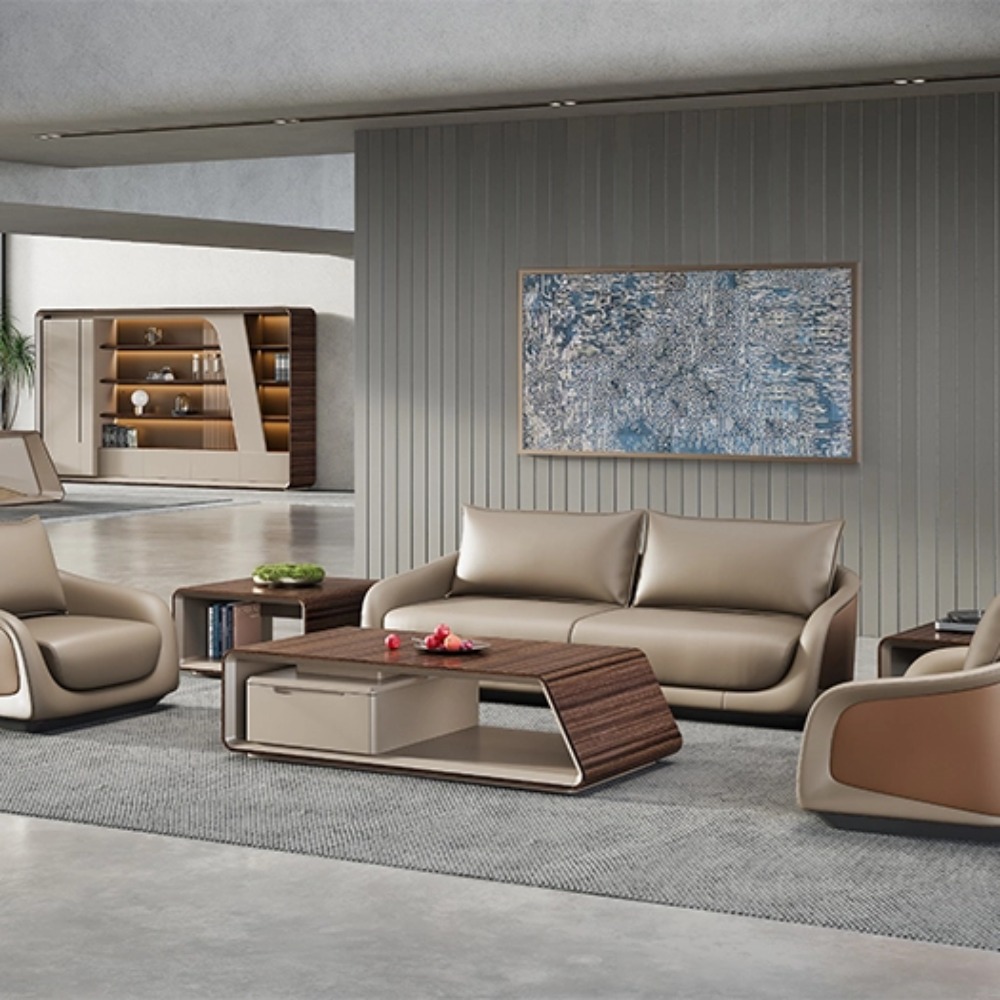
Use Wei Pai for a More Composed Business Lounge
Wei Pai is a strong option to consider when the third space connects closely with reception, visitor handling, or a more formal communication area. In these settings, the sofa needs to support more than waiting. It should help the space feel settled, credible, and ready for a short working conversation.
This type of lounge is useful near executive offices, front-of-house areas, or quieter negotiation corners. It can serve a guest before a scheduled meeting, then support a follow-up exchange once the meeting ends. The space feels less rigid than a conference room, yet still fits a business setting. That is often the sweet spot.
Use Wei Pin for Everyday Collaboration Value
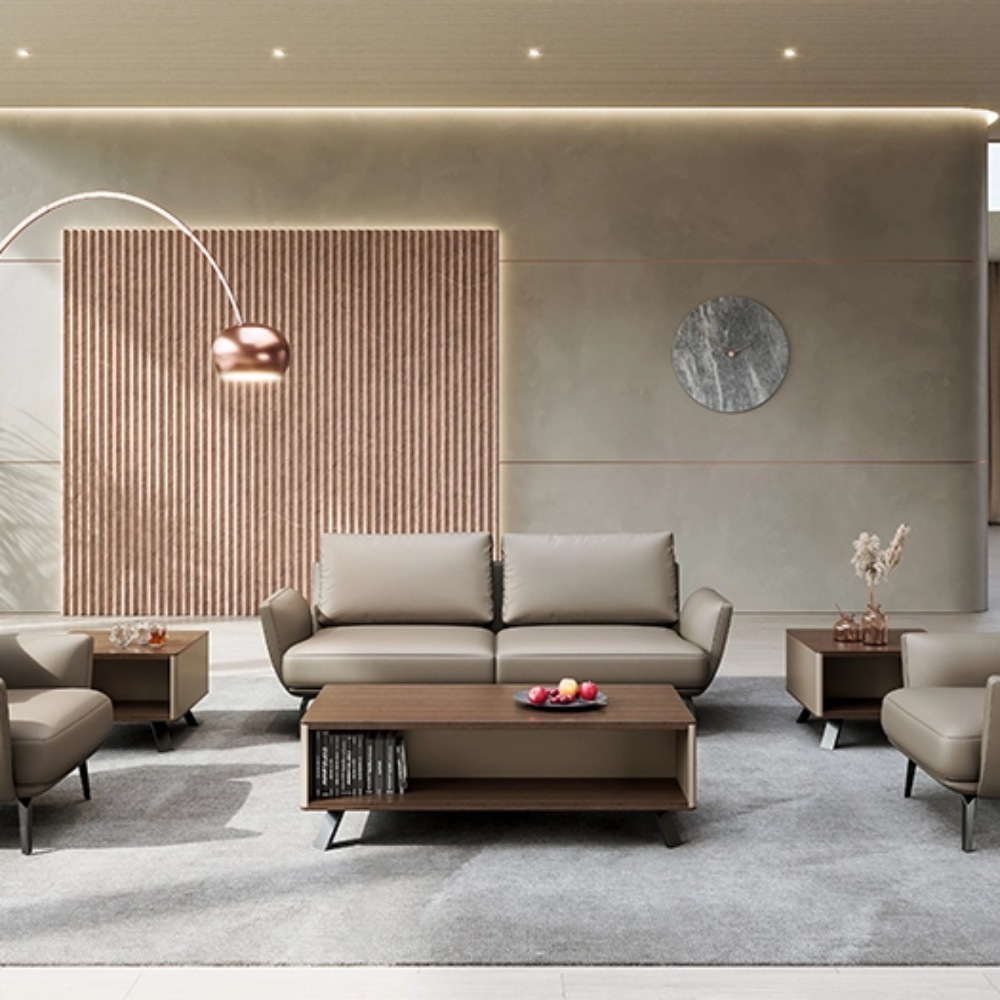
Wei Pin is worth reviewing when the goal is a more frequently used sofa zone inside the working office. It suits informal communication areas where colleagues need to sit down briefly, discuss a detail, and move on. That could be near a staff lounge, beside a project area, or in a compact collaboration nook.
The best third spaces are not just good-looking. They are used. They support small conversations that keep work moving: a drawing checked before approval, a delivery issue settled before it becomes a delay, or a cross-team update handled in five minutes instead of ten messages. Small exchanges, but they add up.
Planning the Layout So the Sofas Actually Get Used
Furniture alone will not create collaboration. Placement decides whether a sofa zone becomes part of office life or stays empty. A good third space sits where people naturally move, while still giving enough comfort to hold a real conversation. It should feel easy to enter, and easy to leave.
Place Third Spaces Along Real Movement Paths
The most useful collaboration corners are close to daily routes. Near reception, they help guests and hosts settle into conversation. Near pantry or breakout areas, they catch quick employee exchanges. Near team clusters, they support project talk without turning the whole work floor into background noise.
Office research shows that proximity and access to suitable talking spaces affect face-to-face interaction. That makes layout a business issue, not just an interior design issue. A sofa in the wrong corner may look fine but stay unused. A sofa in the right corner can become one of the hardest-working places in the office.
Balance Openness With Enough Separation
Third spaces should feel approachable, but not overexposed. If every word carries across the floor, people avoid the area. If the seating is hidden too deeply, the space loses its social pull. A good middle ground usually works best: visible access, comfortable seating, some visual softness, and a clear relation to nearby circulation.
This is where many plans drift off course. They build one oversized lounge because it looks impressive in a rendering. Then staff rarely use it for real work. Smaller, better-placed sofa zones often perform better. They feel more natural. A little less theatrical, a lot more useful.
Why Quality and Service Matter After Installation
A third space earns its value through repeated use. That means the furniture should age well, stay comfortable, and fit the quality level of the wider office. It also means service matters. When a company invests in collaboration areas, it usually wants confidence across planning, delivery, installation, and after-sales support.
Long-Term Use Depends on More Than Appearance
GOJO’s support materials describe a testing center established in 2013, covering about 500 square meters, equipped with 75 main testing devices, and involving more than 80 reliability-related physical and chemical testing items. The same support content states that the laboratory follows ISO/IEC 17025 management requirements. These details matter because lounge furniture in commercial settings faces steady, varied, and often less predictable use than a private chair in a quiet office.
Its public project process also covers planning, solution preparation, quotation discussion, production, quality control, shipping, installation, and after-service, with warranties listed for five years. That gives you a fuller view of the purchase. The sofa is not an isolated product. It is part of a workplace system that needs to keep working after handover.
Build Collaboration Into the Space
Creating third spaces is really about removing friction. You give people a reason to speak earlier, solve small issues faster, and handle informal work without overloading formal rooms. Sofas help because they shift the tone of a conversation and give the area a clear purpose.
For offices that want a balance of polish and practical collaboration, GOJO offers a relevant starting point. Wei Pai and Wei Pin can be considered for different third-space needs, while GOJO’s support and contact channels help move the idea from layout concept to a real workplace plan.
FAQ
Q: What Is a Third Space in an Office?
A: It is a zone between the workstation and the formal meeting room. It supports short conversations, informal collaboration, waiting, and quick reviews without the pressure of a booked conference setting.
Q: Why Use Sofas Instead of Regular Chairs for Spontaneous Collaboration?
A: Sofas create a clearer social setting. They help people stay long enough to talk, review, and settle small issues. They also make the space feel intentional rather than temporary.
Q: Where Should a Third-Space Sofa Area Be Placed?
A: Place it near real movement paths, such as reception, pantry edges, or team-adjacent zones. It should be easy to reach, comfortable to use,


