

7 Costly Mistakes to Avoid When Moving Offices in 2026
Packing up an entire company and dragging it across the city usually feels like an absolute nightmare. You have to juggle complex lease contracts, figure out the confusing internet wiring, and watch hired movers block the busy street traffic. Handling corporate relocations involves way too many chaotic pieces. However, picking out the physical furniture setup really ought to be the simplest part of your month.
As a global leader in high-end business furniture established in 2016, GOJO blends modern architectural aesthetics with smart functionality. Their eco-friendly collections help build a workspace that looks visually stunning while keeping the daily workflow highly efficient. Let us dive into the specific blunders that totally wreck budgets and annoy employees during a big move.
Are You Overlooking Initial Layout and Space Planning?
Your physical blueprint basically controls how the entire room functions day in and day out. A poorly planned layout will ruin the daily workflow before anybody even unpacks a single cardboard box.
Mistake 1: Failing to Measure the New Floor Plan Accurately
People almost always trust those glossy real estate brochures without bothering to verify the actual room dimensions. A thick concrete pillar might sit exactly where you desperately wanted to place a massive wooden boardroom table. You also need to measure ceiling heights and heavy fire doors. A beautiful wooden credenza looks absolutely perfect on a printed layout until you suddenly realize it cannot clear the tight corner of your brand new corridor. You might even find out the hidden floor electrical outlets do not align with your chosen desk placement.
Think about the delivery process for a second. A huge table top needs to fit inside the building freight elevator. If that fails, you end up paying a specialized crew extra cash to carry it up eight flights of stairs at midnight. Precise field measurements prevent these ridiculous return shipping fees.
Mistake 2: Neglecting the Design of Collaborative Workspaces
The modern 2026 work environment leans heavily on teamwork and hybrid schedules. Sticking to an old and isolated cubicle layout completely kills spontaneous team discussions. A loud marketing team needs constant vocal collaboration, while the accounting department demands absolute quiet focus. Mixing them together in a poorly planned open floor plan creates severe daily friction. Workers need open zones for quick morning chats and dedicated brainstorming sessions. If you line up workstations in tight rows with zero breakout areas, your staff will end up camping out in the breakroom just to talk about a project. Modern Offices really need a healthy mix between quiet focus rooms and open communal tables.
Why Does Using Outdated Furniture Hurt Employee Productivity?
Hauling beat-up and wobbly desks into a pristine new building totally ruins the fresh start vibe. Old equipment drags down morale and physically bothers your staff over time.
Mistake 3: Refusing to Upgrade Your Main Office Desks
Saving a little cash by moving badly scratched desks costs way more in the long run. Those old wooden desks with peeling edges just drag down the mood of a newly painted room. A shaky work surface ruins concentration. Modern office setups feature smart cable management and sit-stand capabilities. Upgrading the main work areas gives the entire room a sharp and professional edge. When guys with power drills try to dismantle a five-year-old wooden desk, the screws strip and the wood crumbles. Moving heavy particleboard usually breaks the joints anyway during the bumpy truck ride, so replacing everything upfront makes complete financial sense.
Mistake 4: Ignoring the Need for Ergonomic Leather and Cloth Chairs
People sit down for eight solid hours a day, sometimes much longer. Giving them a cheap and stiff seat leads directly to severe back pain and mounting medical bills. Industry surveys from recent years show that roughly 60 percent of corporate workers experience lower back pain strictly due to bad posture at their desks.
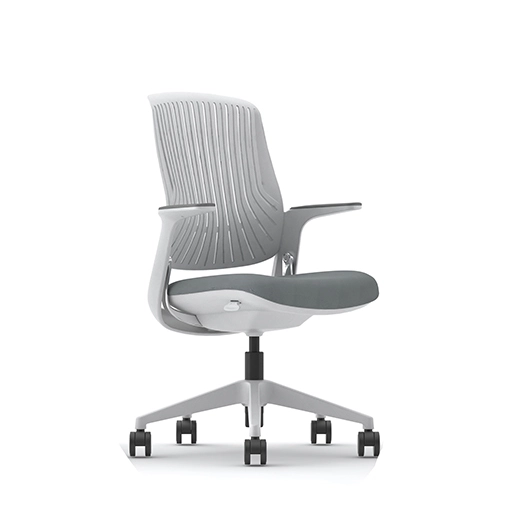
Spending money on a proper Chair tailored specifically for lumbar support changes how people feel at the end of a long Tuesday shift. From premium leather to fit-out various areas of your office, such as the executive suite, to breathable cloth for main floor work areas, good seating has a direct correlation on productivity for your employees. By having employees feel good physically while they work, they can maintain focus on their work at the computer instead of getting up and down repeatedly.
Table 1: Typical 2026 Office Relocation Budget Allocation
| Expense Category | Estimated Budget Percentage | Key Focus Area |
|---|---|---|
| Construction and Build-out | 45% to 55% | HVAC, Walls, Flooring, Lighting |
| Furniture and Fixtures | 20% to 30% | Workstations, Seating, Reception |
| IT and Network Infrastructure | 10% to 15% | Servers, Cabling, Wi-Fi Setup |
| Logistics and Moving | 5% to 10% | Packers, Transport, Insurance |
What Are the Hidden Risks in Your Procurement Strategy?
Buying items sounds super simple until a random supply chain delay hits your schedule incredibly hard. Managing the timeline and budget requires precise execution and vendor communication.
Mistake 5: Delaying the Purchase of Essential Equipment
Waiting until the drywall finally goes up to order your pieces guarantees a delayed opening date. Custom furniture often takes six to eight full weeks to manufacture and ship out. Sometimes an unexpected shipping strike or a massive warehouse backlog throws the whole timeline off track. Nobody wants employees sitting on cardboard moving boxes typing on their laptops because a shipment got stuck at a busy port. It is always best to finalize your orders months in advance and establish a reliable contact with your supplier early on to track manufacturing milestones and delivery schedules.
Mistake 6: Sacrificing Brand Image in the Reception Area
The lobby tells your visiting clients exactly who you are within five short seconds of walking through the front glass door. Cutting the budget right here leaves a terrible first impression. Imagine a CEO from a partner firm sinking into a sagging cushion while waiting for a meeting. Frayed sofas and a super basic reception desk signal a struggling business that cannot afford nice things. A premium and highly architectural front desk instantly communicates stability, financial success, and close attention to detail. This specific space serves as the physical handshake of your company, and buying cheap guest seating will make high-value clients seriously doubt your overall professionalism.
How Can You Make Your Workspace Adapt to Future Growth?
A completely static layout becomes obsolete the exact moment your headcount changes. Flexibility determines the lifespan of your physical environment.
Mistake 7: Buying Rigid Furniture Instead of Modular Solutions
Companies change incredibly fast these days. A tiny department of four people might suddenly explode into a department of twelve by next quarter. Large, heavy single-piece workstations create a fixed environment that cannot be reconfigured.
Rather than having to tear down walls and start from scratch when redesigning a room, modular workstations provide the ability to add a panel here, slide a couple of flat surfaces together to create a workstation there, and then pull them apart to create entirely new work environments without having to purchase an entirely new, matching set of workstations. The cost of future expansion is kept to an absolute minimum and allows facility managers to design and implement a new floor plan all within the course of a single weekend. Thousands of dollars can be saved by having the ability to reconfigure quickly and efficiently.
Frequently Asked Questions
Q: How early should you start planning a corporate move?
A: You should begin planning at least six to eight months before your current lease expires. This gives you enough time for construction, vendor selection, and manufacturing lead times.
Q: What is the most expensive part of relocating an office?
A: Construction and hard costs take up the majority of the budget, usually around fifty percent. Furniture and IT infrastructure follow closely behind that.
Q: Why is modular furniture better for growing companies?
A: It allows for quick reconfigurations. You can scale up or scale down your team clusters without purchasing completely new desk systems, saving significant money over time.
Q: Does upgrading seating really impact productivity?
A: Yes. Proper ergonomic support reduces physical strain, prevents chronic pain, and helps staff maintain focus throughout long shifts instead of constantly adjusting their posture.
Q: How do you handle old equipment during a move?
A: The best approach is to liquidate, donate, or recycle outdated items. Moving old and damaged pieces usually costs more in labor and transport than the items are actually worth.


