

Phased Office Furniture Installation: Replace Furniture While Teams Keep Working
Temporary desks have to remain available until a team can actually return to work. A room booked for delivery day alone may be unavailable by the time IT finishes reconnecting equipment. For phased office furniture installation, plan that entire interval: removal, installation, reconnection and return. The move schedule then gives a realistic basis for reserving temporary accommodation.
Define the smallest useful phase
What would allow the finance team to return to its desks? If the furniture is delivered but its equipment is disconnected, the move is not over for that team. Define that usable end state first. It gives a better basis for sizing a phase than the number of desks a truck can carry.
Talk to the people being moved about work that must remain in the office. A spare seat may be available but unsuitable for private calls or access to files. Record those requirements with the headcount; they will not appear in an inventory of desks and chairs.
The approach to the work area belongs inside the planning exercise. On the drawing, follow the route an installer would take with a package. Where it overlaps staff circulation, ask building management and the installation team to agree how access will work. Their answer may change the proposed division into phases.
Group a private office’s work according to what its occupant needs on return, including the necessary storage and equipment. Discuss the intended phases with GOJO alongside the room schedule. Find out which packing, shipment and installation arrangements are available for the order; several site phases do not automatically require, or guarantee, several factory shipments.
Find temporary space before removing anything
The temporary room may already have a job. List the meetings that must move out when staff move in, along with the equipment, belongings and secure storage coming with them. Those displaced uses belong in the schedule too. Otherwise the same room can be promised to two groups at once.
For someone who needs private calls, the temporary arrangement might combine a spare desk with booked time in a separate room. Check the booking times with that person and settle how files will be reached. Neither seat alone covers the requirement; the two arrangements have to work together during the changeover.
The move list should name a destination for each group and say when it becomes available. Include responsibility for the equipment move. Agree the arrangement with each team. Avoid building a complete temporary office for people who can work elsewhere, or offering only a spare seat to people whose duties require more.
Write a hold instruction into the move plan. Name who can issue it and how the removal crew receives it. A missing replacement or unavailable room might justify retaining the old arrangement for longer. Once removal has started, that particular fallback may no longer be practical.
Build the schedule around handoffs
The furniture crew does not control every step. Staff must clear belongings, facilities may arrange old-furniture removal, and IT may disconnect and reconnect equipment. A schedule that labels all of this “installation” hides the dependencies that can hold up the next phase.
For each zone, write a short sequence with named owners:
- Clear personal belongings and secure documents.
- Disconnect equipment through the responsible team.
- Remove the furniture scheduled for replacement.
- Confirm the room and access route are ready.
- Deliver, assemble, and position the new furniture.
- Complete equipment work and inspect the zone.
- Release the area for occupation.
Obtain separate duration estimates and availability from the teams responsible. An evening assembly slot can still leave a room waiting for morning equipment work. Equally, a lift booking may restrict when packages reach the floor. An overnight return-to-use promise needs to include those constraints, not just assembly time.
As you select from the GOJO office range, put the model and quantity against a destination. A late change to a desk arrangement then has somewhere to be recorded. Review its consequences for equipment placement and assembly as well as the furniture price.
Match the delivery sequence to the building
Take the order’s packed dimensions to the route review with the installation team. The issue at a corner or lift entrance is the package being handled, which may differ considerably from the finished furniture footprint. Include the permitted handling orientation and other supplier requirements when assessing that route from unloading to destination.
The building contact should confirm the unloading and lift bookings, protection requirements, receiving space and permitted working hours for this delivery. Check these with the responsible building contact. A delivery arrangement used for an earlier project may no longer be available.
When only one phase is being installed, the crew needs to retrieve its complete set of parts. Agree floor, room and item references for the packages, with a way to trace any shared fittings box. A packing arrangement that is convenient for shipping may need extra identification before it is convenient for phased installation.
A single shipment needs a retrieval order agreed before the storage area is filled. The room being installed first should be accessible first. The supplier and property team also need to confirm suitable storage conditions and locations. Do not build a programme around leaving furniture wherever a gap happens to appear.
Keep coordinated rooms together
A suite’s furniture does not necessarily have equal priority. If the occupant uses a cabinet’s files throughout the day, that cabinet may belong in the initial changeover. A less frequently used table could perhaps follow later. Check whether installing it afterwards would require the occupant to leave again before separating it from the main phase.

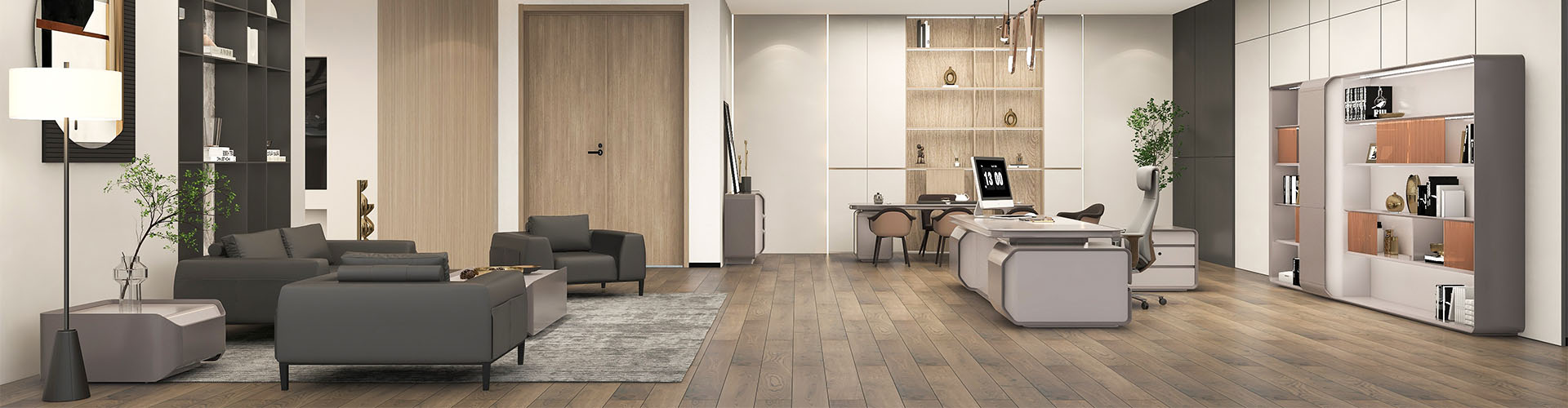
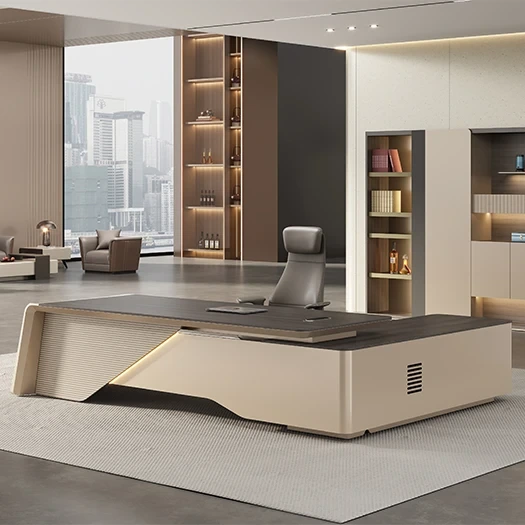
The desk and adjacent storage shown in the Kanuo office furniture setting are worth considering together when planning a room changeover. Use that relationship when thinking about the changeover, then identify the actual items ordered and their positions. A setting photograph cannot tell the crew what is included in the quotation.
Mark furniture that will stay on the drawing. Add retained cabinet dimensions and positions to the plan used by both crews. The installer needs to allow for their footprint, and the removal crew needs to recognise them as items to leave in place. A common marked plan is preferable to separate verbal instructions.
There is a separate issue when later phases will be purchased later, rather than delivered later. Ask about continued product availability and the finish reference for those orders. Keep the approved sample and specification. Do not promise an exact future match merely because the collection name remains the same.
Use a release check between phases
A return-to-work decision needs a visit to the installed area. Compare the furniture and positions with the plan, account for incomplete work and establish the state of the equipment. Include removal of packaging and work materials in the check with the installer and facilities contact.
Record unresolved items individually. Some may require the area to remain unavailable; others may be suitable for a later agreed correction. The project team should decide that status with the appropriate specialists. A calendar deadline should not substitute for the required checks.
Hold a short review before the next phase. Did the planned unloading window work? Were the room labels clear? Did equipment reconnection take longer than expected? Use any delay to revise the remaining estimates. The update must reach everyone working to the old dates, including the person managing the temporary room booking.
The staff move notice needs a destination and a contact for practical questions. Give installers a single contact for proposed placement changes. An occupant’s request to move something should go through that contact for approval, rather than becoming an unrecorded departure from the drawing.
Prepare the brief before fixing the dates
For a discussion about your office furniture project, assemble the selected items, marked room plan and proposed phases into one brief. Add the access arrangements and intended return dates. Unresolved equipment or building requirements belong in that discussion too, because they may affect work outside the furniture supplier’s scope.
The first completed move provides a practical check on the original estimates. Review it while there is still time to adjust the next group’s move. Releasing the temporary accommodation after the first team returns is one of the dependencies to confirm before the following phase begins.
FAQ
Is phased installation suitable for a small office?
A small office may find repeated temporary moves harder than one planned closure. Compare those options with the same equipment transfers and building-access requirements included. Floor area by itself does not show which arrangement creates less disruption.
Should each phase have a separate delivery?
One delivery needs somewhere to store the furniture and retrieve it in the order the phases require. Several deliveries need dates and responsibilities the supplier can commit to, with their associated costs. Compare those actual arrangements for the building, not just the number of truck visits.
Can staff stay beside the installation area?
Ask the installers and building management to assess separation and access before allowing staff to work nearby. The apparent size of the job is not enough to establish suitable conditions. If the required arrangements cannot be maintained, move the affected staff for that work.
What if one furniture item is delayed?
First establish whether the missing item prevents the zone from being used or would cause another move later. That may require a longer temporary-room booking. If keeping the existing furniture is the better option, make the decision before removal begins.
Who should approve the next phase?
Name the person who brings together facilities, installers, IT and the affected team. Before releasing a move, that lead needs confirmation from the relevant teams that the destination is usable. The temporary accommodation must also be free for its next occupants; finishing one phase should not strand the next group.


