


7 Signs Your Executive Desk No Longer Fits Your Office
When buyers assess 7 signs your executive desk no longer fits your office, the useful test is whether the product still matches the real task. Requirements change as rooms, materials, workloads, users, and maintenance routines change. This guide explains the practical signs to check and introduces GOJO where its confirmed product range fits the decision.

The Desk No Longer Supports Your Work
Use this section as a practical checkpoint before approval. Separate essential requirements from preferences that can change later.
Too Little Surface for Current Equipment
Before approving too little surface for current equipment, ask the person who will use or install it to describe the ordinary working condition. Compare that description with the desk surface, storage, posture, circulation, and office role.
Treat too Little Surface for Current Equipment as a decision point rather than a descriptive phrase. Confirm what it changes in use, what it requires from installation or care, and which information the supplier must still confirm before release. A small check here can prevent a larger adjustment after delivery.
Storage Problems and Clutter
If papers keep returning to the desktop after every tidy-up, the storage may not match the work. Compare the proposed VNA arrangement with the files and equipment that must remain close at hand. Check access to cabinets with the chair in its normal position. Replacing the desk will not solve clutter if the new plan leaves the same objects without a practical home.
Poor Cable and Accessory Management
In a project review, poor cable and accessory management should be connected to a clear decision rule. Use the desk surface, storage, posture, circulation, and office role to define what is essential and what is only a preference. When the requirement is written down, suppliers can answer the right question and buyers can compare proposals fairly.
A good specification makes poor Cable and Accessory Management visible. State the condition in plain language, attach the relevant dimensions or work setting, and keep the agreed detail with the order. This reduces misunderstandings when several people handle the project.
The Desk Shows Wear That Affects Daily Use
Use this section as a practical checkpoint before approval. Separate essential requirements from preferences that can change later.
Damaged Surfaces and Unstable Components
Do not judge damaged surfaces and unstable components only by appearance or a short product label. The more useful comparison includes the desk surface, storage, posture, circulation, and office role, together with the expected frequency of use.
Before choosing, write down the real requirement: damaged Surfaces and Unstable Components. It sounds obvious, yet this is where many orders go off course. The supplier needs enough context to judge the option properly, and the buyer needs a clear reason for accepting it.
Drawers, Hardware and Access Problems
drawers, hardware and access problems changes the decision because it affects the desk surface, storage, posture, circulation, and office role. Check the detail during sampling rather than relying on a broad category name. Record the agreed condition in the specification so the installer, purchaser, and end user are working from the same expectation.
One quick way to review drawers, Hardware and Access Problems is to imagine an ordinary Tuesday after installation. Who uses the product? What is nearby? What gets cleaned, moved, tightened, or replaced? Those details usually reveal more than a short catalogue description. Keep the result with the project notes so the same decision can be reviewed later.
Cleaning and Maintenance That No Longer Solves the Problem
A dirty surface and a damaged surface call for different responses. Check whether cleaning restores the finish, whether hardware can be replaced, and whether the desk still sits securely. Before committing to replacement, compare a used executive desk with a new one in terms of condition, missing parts, layout fit, and repair effort. Keep cosmetic wear separate from defects that interrupt daily work.
Your Office Role or Space Has Changed
Use this section as a practical checkpoint before approval. Separate essential requirements from preferences that can change later.
A Larger Team or More Frequent Meetings
Do not judge a larger team or more frequent meetings only by appearance or a short product label. The more useful comparison includes the desk surface, storage, posture, circulation, and office role, together with the expected frequency of use.
A practical check for a Larger Team or More Frequent Meetings takes only a few minutes. Recreate the user position or installation condition, inspect the contact points, and ask what happens after repeated use. Record the result so the next order does not start from memory.
A New Office Layout or Relocation
A practical review of a new office layout or relocation asks three questions: what must fit, what can fail, and what will the user notice first? Those questions should be answered against the desk surface, storage, posture, circulation, and office role. If the answer differs between rooms, materials, or workloads, separate the options instead of forcing one model into every use case.
Look past the name of the option and focus on a New Office Layout or Relocation. The useful evidence may be a drawing, a sample, a fit check, or a conversation about service. Without that step, a buyer can approve a product that only works under ideal conditions.
A Change From Individual Work to Management Work
In a project review, a change from individual work to management work should be connected to a clear decision rule. Use the desk surface, storage, posture, circulation, and office role to define what is essential and what is only a preference. When the requirement is written down, suppliers can answer the right question and buyers can compare proposals fairly.
The product should make this part of the job easier, not create a new workaround. That is why a Change From Individual Work to Management Work belongs in the specification, together with any limit on space, material, access, or duty. Keep the result with the project notes so the same decision can be reviewed later.
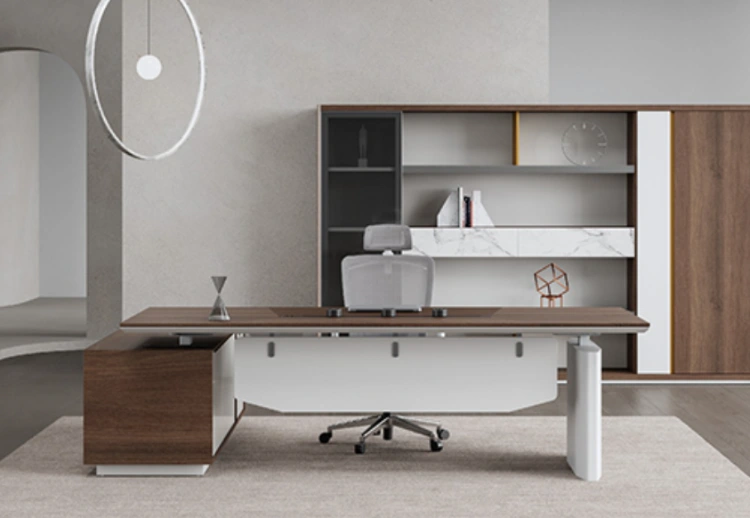
Compare Replacement Options Before Ordering
Use this section as a practical checkpoint before approval. Separate essential requirements from preferences that can change later.
Ruize Office Furniture for a More Distinctive Setting
When considering RuiZe, start with the working area the old desk no longer provides. Place the monitor, keyboard, documents, and visitor position on the proposed plan. The change in appearance should come with a workable layout, not another round of moving equipment every time a visitor arrives. Confirm the dimensions and supporting storage for the configuration being ordered.
CST Office Furniture for a Coordinated Office Plan
Compare CST as part of the complete office arrangement. The replacement desk must work with the chair, cabinets, power points, and route through the room. If existing furniture will remain, check its height and footprint against the proposed pieces. A coordinated plan is useful when it removes the awkward movement that made the old desk difficult to use.
How to Check Size, Storage and Supporting Furniture
Before approving how to check size, storage and supporting furniture, ask the person who will use or install it to describe the ordinary working condition. Compare that description with the desk surface, storage, posture, circulation, and office role.
Ask the person who will use or install the product about how to Check Size, Storage and Supporting Furniture. Their answer may differ from the purchasing brief, especially when the original specification was written without seeing the room, tool, substrate, or daily routine. A small check here can prevent a larger adjustment after delivery.
Conclusion
The suitable executive desk choice depends on the application, surrounding conditions, and the consequences of a poor match. Use the checklist during product comparison and confirm the final details before ordering.
Contact GOJO
Use the GOJO contact page to share the current desk measurements, the problems you need to solve, and a plan of the replacement space. List any cabinets or seating that must remain in the room.
FAQ
What should buyers check first?
Use this section as a practical checkpoint before approval. Separate essential requirements from preferences that can change later.
How can I avoid an unsuitable product match?
One quick way is to imagine an ordinary Tuesday after installation. Who uses the product? What is nearby? What gets cleaned, moved, tightened, or replaced? Those details usually reveal more than a short catalogue description.
What should I confirm before placing an order?
Recreate the user position or installation condition, inspect the contact points, and ask what happens after repeated use. Record the result so the next order does not start from memory.


