

New Executive Office Furniture Collection: What Has Changed?
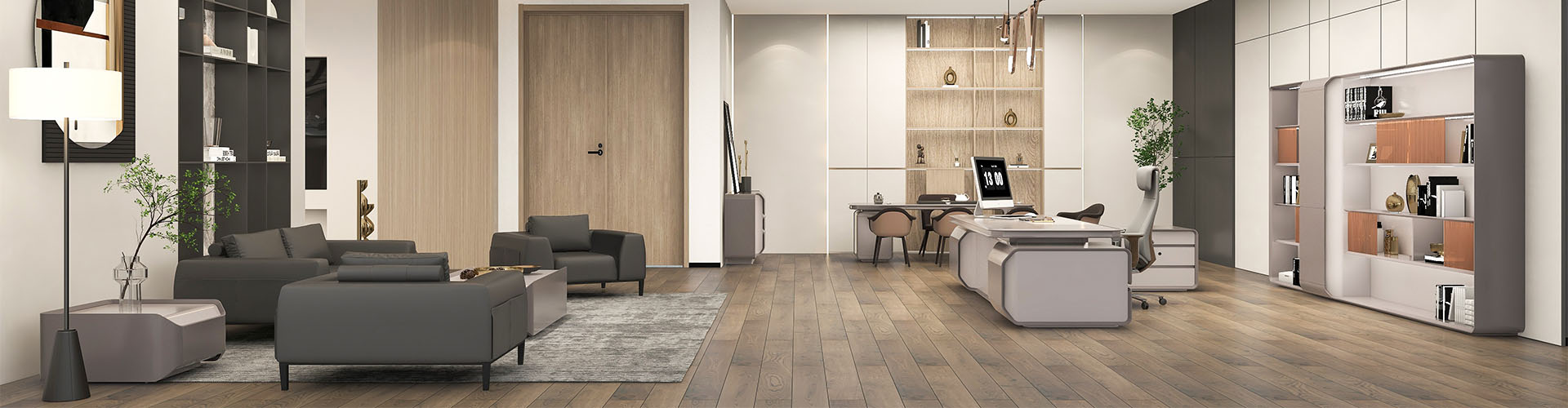
For buyers comparing executive office furniture, the practical change is a shift from one statement desk to a coordinated room supporting work, meetings, storage, charging, and reception. GOJO is a modern office furniture brand developed by Huasheng Furniture Group for executive offices, workstations, meeting rooms, and other business spaces. Its collection approach links desks, seating, storage, sofas, and customization.
What Has Changed in New Executive Office Furniture Collections?
The Collection Is Planned as a Space, Not One Isolated Desk
A current executive office furniture review should begin with the room rather than a hero product. An office may need computer work, document handover, and discussion in one day. The desk’s value depends on seating, storage, meeting surfaces, charging, and circulation. The meaningful comparison is therefore a connected setting, not an isolated product image.
Technology Is Being Built Into Everyday Workflows
Power is now considered during furniture planning. A rotating power cover, built-in socket, charging port, or organized cable box can keep a laptop, phone, and presentation device connected without spreading loose leads across the desktop. In practical executive office furniture planning, count the devices used in each room, mark where people sit, and check whether someone can reach power without leaning across documents or crossing a visitor’s space.
The technology still needs to match the work. A one-laptop office may need a simpler arrangement than a table shared by several devices. Ask where cables exit, how a cover opens, and whether a replacement charger can be added. These questions make integrated office power solutions a purchasing decision.
Comfort and Visual Restraint Are Being Considered Together
In a well-resolved collection, contact points used for several hours are evaluated alongside appearance. Rounded or chamfered details can soften exposed edges, a stable surface supports writing and screen work, and a supportive chair can serve longer conversations. Storage placed around the work sequence reduces unnecessary reaching.
The visual effect should remain controlled. An executive room may receive visitors, host negotiations, and still function daily. Coordinated materials and restrained colors create a composed setting, while seating or table-size differences reflect activities.
How Do New Collections Improve Executive Workspaces?
Storage Is Placed Around the Work Process
Executive workspace storage works best when it follows how documents and devices are handled. Closed cabinets can hold sensitive files, contracts, or spare equipment. Open compartments keep books, presentation folders, or frequently used supplies within reach. A side cabinet may shorten the path between desk and storage wall when a person moves between calls and paperwork.
Before selecting an office furniture collection, list what must be stored and how quickly each item is needed. Documents, daily supplies, presentation equipment, and personal items require different access levels. This inventory improves office furniture collection planning because every cabinet has a reason and reduces redundant units.
The Desk Surface Can Support Meetings and Charging
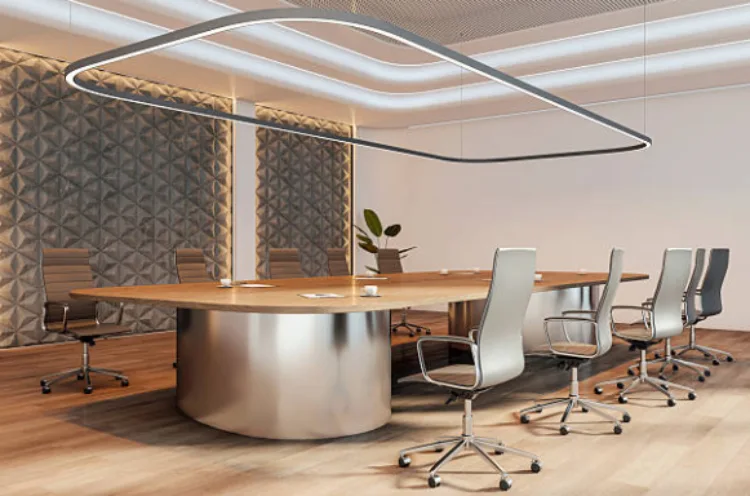
An executive desk often doubles as a place for short discussion. Surface depth, visitor seating, cable access, and power-point position belong in the same decision. Leave usable area for a laptop, documents, and a drink without placing the visitor in the cable path. Apply the same test to a larger meeting table.
For formal discussion areas, buyers can use selecting an ideal conference table for powerful meetings. It frames questions about table shape, participant positions, and circulation.
Seating and Reception Furniture Complete the Room
The Quiet Office Furniture Series gives buyers a collection-level reference for a coordinated office direction. A private room may still need a task chair, visitor chair, sofa, or compact reception surface, depending on how people enter and use it. Seating determines whether the room feels ready for work or only arranged for a photograph.
The same chair can feel different in a private office, reception corner, and meeting room because the user’s time and purpose change. Plan seating by activity, then check storage doors, desk clearance, and visitor movement. This makes office furniture collection planning more specific.
What Product Details Should Buyers Compare?
Compare Surface Geometry and Edge Treatment
Straight edges create a formal visual line, while curved or chamfered details can soften contact points around a desk. Choose based on circulation and approach routes, not style alone. A visitor walking around a table notices an edge differently from an executive using the same surface every day.
Ask for the construction description and inspect a sample from standing and seated positions. Look at the usable edge, leg position, knee clearance, and cable access. These details reveal whether the design supports work and help distinguish a genuine executive desk definition from a larger top or darker finish.
Compare Materials, Testing, and Quality Control
Furniture buyers need more than a finish name. Ask how boards, leather, sponge, hardware, and other materials are checked, and which quality records relate to the selected order. Huasheng’s testing center covers furniture mechanics, physical performance, formaldehyde, salt spray, constant temperature and humidity, and other testing areas. It covers around 500 square meters, has 75 main testing devices, and includes more than 80 physical and chemical reliability projects. The laboratory operates under ISO/IEC 17025 management requirements and holds CNAS recognition.
These capabilities do not replace product-specific inspection. For buyers deciding whether executive desks are worth the budget, evidence connected to the specification is more useful than a broad promise about appearance or status. Record the selected model or drawing version, materials, finish, hardware and power functions, dimensions, approved sample, applicable test or inspection record, and the order or batch reference used for acceptance.
Compare the Room-Level Customization Scope
A collection is easier to specify when styles, sizes, storage, seating, and meeting furniture can be coordinated without forcing unrelated pieces into one room. GOJO’s business direction includes personalized customization for different office scenes and business communication spaces. Start with the rooms involved, the people using them, and the functions that should remain consistent.
That brief can support a dark executive finish, lighter reception piece, or restrained meeting arrangement in one project. It reduces late room-by-room changes. For a buyer, an executive desk is defined by its working role, visitor relationship, storage access, and room fit, not only by a large top or a darker finish. The same definition should guide the room brief.
How Can a Buyer Build a Balanced New Collection?
Begin With the Most Frequent Work Activity
List the work that happens most often: focused computer work, document review, visitor reception, private calls, negotiation, or formal meetings. Start with the product that solves the dominant activity. A room built around occasional meetings needs a different balance from one used by an executive and an assistant throughout the day.
This method keeps the collection practical and gives the supplier a reason for every item. Executive workspace storage should follow the customer and workflow: a cabinet near the handover point may matter more than an extra display unit.
Use Seating to Define the Pace of the Room
The GOJO Office Chair 1741921394871 can be considered alongside the desk and visitor arrangement when the room needs a clear seating plan. A work chair, guest chair, and sofa do not communicate the same length of stay or level of formality. Their relationship affects movement and where a conversation naturally happens.
Review seat height, back support, arm movement, and desk distance in the whole room. Check entry and exit paths when occupied. Upholstery appearance cannot answer whether the chair supports the task or leaves adequate clearance.
Leave Room for Reception and Informal Conversation
A private office may welcome a visitor before a formal meeting begins. The HS Sofa offers a product direction for a softer conversation zone. Evaluate it by available floor area, visitor capacity, sight lines, and its relationship to the main work surface.
The sofa does not need to dominate the room. It gives visitors a clear seat and the executive another way to speak without turning every exchange into a desk meeting. Before ordering, walk from the door to the sofa, storage, and desk, then check power and personal-item placement. This is a practical sample check for integrated office power solutions.
Conclusion: The New Collection Is About Connected Use
Look for Function Inside the Design
A meaningful executive-office upgrade is visible in easier power access, better-organized storage, safer circulation around contact points, and seating for the conversations the room actually hosts. These are workflow improvements expressed through furniture. Ask what interruption or workaround the proposed feature removes.
Buy by Room Function, Not by Product Image
A desk, chair, sofa, and meeting table should be compared by how people work, sit, store, charge, and move. A consistent collection has value only when pieces remain practical. Separate fixed requirements such as storage capacity and clearance from preferences such as finish when reviewing integrated office power solutions.
Ask for Evidence Linked to the Actual Project
Testing capability and customization support are useful starting points, but buyers should confirm the selected model or drawing, materials, functions, dimensions, finish, sample, and inspection details for the order. Treat the proposal as a meaningful upgrade when it improves power access, storage reach, circulation, maintenance, or replacement. Treat it as a style refresh when the change is mainly finish or appearance; in that case, compare the premium separately from the operational budget.
Contact GOJO About an Executive Office Furniture Project
Describe the Rooms and Users
Share whether the project includes private offices, reception, meeting areas, or mixed space. Note users and activities.
Discuss Storage, Seating, and Power Needs
List documents, devices, visitor flow, seating activities, and access requirements. Include fixed walls, doors, screens, or equipment affecting circulation.
Review the Collection Direction
Use the GOJO contact page to discuss a coordinated executive office furniture plan and room checks.
FAQ
What Has Changed in Executive Office Furniture?
Current executive office furniture planning treats the office as a connected working space. Buyers compare power access, storage, seating, meeting use, contact points, materials, and visual consistency instead of choosing a desk alone. In practice, a modern executive desk is defined by its role within this connected room.
How Should I Compare an Executive Office Furniture Collection?
Start with the room’s main work activities, then compare desk surface, storage access, seating support, cable and power arrangement, materials, customization scope, and the supplier’s quality process. Confirm that each item has a practical role and that the whole arrangement leaves clear movement paths.
Does a New Collection Need to Use One Style Everywhere?
Not necessarily. Business classic, light luxury, minimalist, and fashion directions can serve different rooms. The useful goal is coordination of materials, functions, and visual relationships while allowing private offices, reception zones, and meeting areas to have different needs. A collection should feel related without making every room operate in the same way.


