

School Furniture and Classroom Layout Choices That Support Better Learning
Classroom design affects more than the appearance of a room. The arrangement of school furniture shapes movement, attention, supervision and the change from individual work to discussion. A useful layout leaves each activity enough room and keeps everyday furniture easy to handle, clean and reset.
GOJO is a modern high-end business office furniture brand developed within Huasheng Furniture Group. Huasheng’s wider commercial engineering furniture work includes school education furniture as well as office and training spaces. For schools, the useful starting point is the relationship between the lesson plan, the room, the students and the furniture that must support them.
How Does Classroom Layout Affect Student Learning?
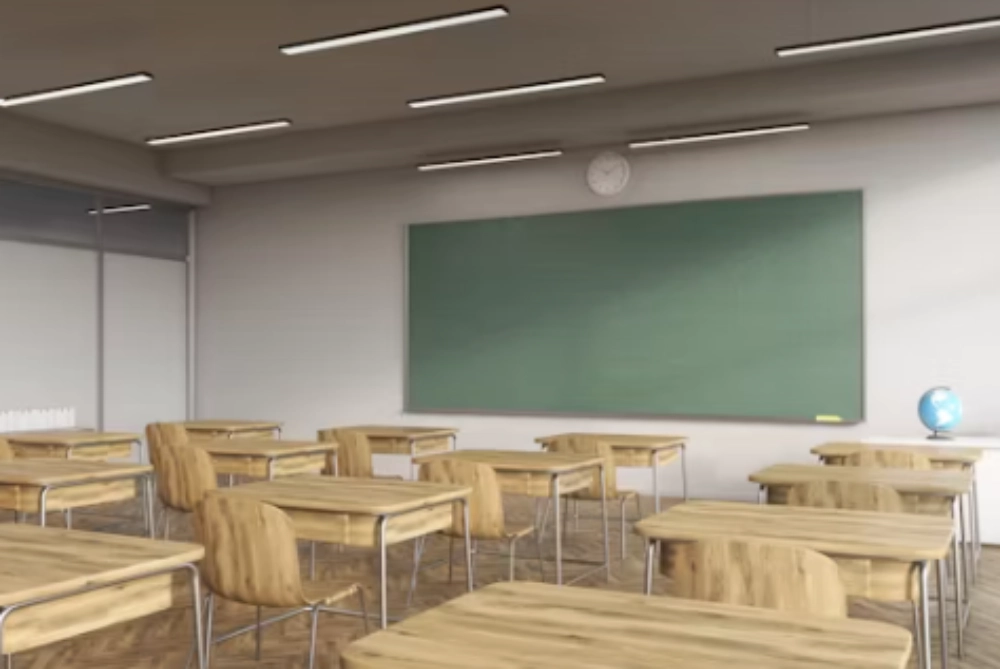
Classroom layout affects learning by shaping movement, visibility, noise and interaction. The best arrangement depends on the lesson, but most classrooms need a clear circulation path, a visible teaching area and furniture that can support both concentration and collaboration.
Movement and supervision
A room works better when students and teachers can move around another group’s work. Keep the entry, teaching area, storage points and busy paths easy to reach. Desks should not leave narrow gaps that make it hard to help a student, hand out materials or respond to an incident.
Supervision depends on sightlines as well. Tall storage or tightly packed desks can make a room harder to manage, even when they create more seats. A less crowded plan may support participation because students can see the teacher and the teacher can read the room.
Focus and noise control
Noise is often a layout problem before it is a furniture problem. Place quiet individual work away from doorways, shared storage and areas where students frequently gather. Use the room’s edges for storage or occasional-use items when that keeps the center open and reduces unnecessary crossing.
Chairs and desks should be stable enough for ordinary classroom use. Movement is useful when a lesson requires it, but furniture that shifts constantly during focused work can distract students. The aim is controlled flexibility: easy changes when needed, steady support when concentration matters.
Group work and discussion
Discussion needs more than desks placed in a circle. Students need room to face one another, form groups and return to individual work without a long reset. Small clusters, shared tables or paired desks can support that rhythm when the teacher still has a clear route through the room.
Schools planning collaborative classrooms can also review GOJO’s article How Quality School Furniture Elevates Your Learning Experience for a related education-furniture perspective. Classroom furniture should support the way people use the room, not force every lesson into the same arrangement.
Which Furniture Choices Support Different Learning Modes?
The right mix of tables, chairs and storage allows one classroom to support individual study, group tasks, demonstrations and transitions. Schools should select each category according to its effect on the room, rather than treating furniture as isolated products.
Desks and tables for shared work
Desks work well for individual assignments when students need a defined work surface and a clear forward-facing position. Tables may be more useful for shared projects, practical activities or classrooms where discussion is a regular part of the lesson. The teaching pattern should decide the choice.
Check the depth and shape of each surface against the room size. Oversized furniture may reduce circulation and make flexible arrangements difficult. Very small surfaces may push books, devices and project materials into walkways. A workable plan leaves enough room for elbows, bags, teacher movement and the change from one task to another.
Chairs for comfort and posture
Chairs affect how long students can stay attentive. They need a stable sitting position, a suitable desk height and enough clearance for students to sit down or leave without disturbing nearby work. A chair that is too large reduces aisle space; a poor desk match becomes uncomfortable during longer lessons.
The Chair (Cloth and Leather) category is a useful reference when schools compare seating support for different rooms. The decision must still consider age group, user dimensions, daily use, cleaning routines, storage and whether chairs need to move between classrooms.
Storage that keeps the room clear
Storage affects learning because clutter affects movement and attention. Keep frequent-use materials within reach, but do not place everything around the teaching wall or at the front. A clear storage plan cuts repeated trips and keeps bags, tools and worksheets out of student work areas.
Before ordering, decide which items need open access, which need controlled access and which can be stored outside the classroom. Storage should also leave doors, windows, exits and teaching equipment usable. A room with fewer but better-positioned storage pieces may work better than a room filled with cabinets.
What Makes a Classroom Easier to Reconfigure?
A flexible classroom does not need every piece to have wheels. It needs furniture that moves safely, groups without awkward gaps and returns to a reliable layout when the lesson ends.
Light and movable pieces
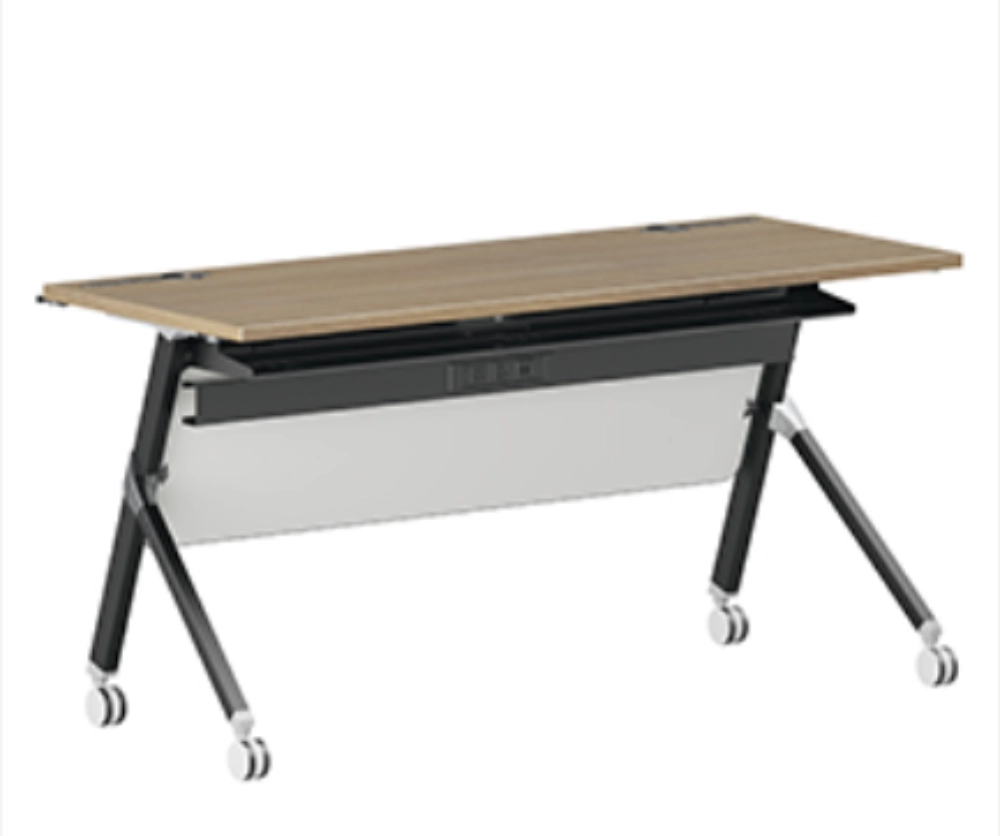
Movable tables, stackable chairs and mobile teaching tools can help a room change between lecture, group work, testing and workshop activities. The important checks are weight, grip points, storage space, wheel locks where applicable and whether movement can happen without damaging floors or interrupting nearby classes.
The Training Furniture category is a relevant GOJO starting point for schools planning flexible learning or training areas. Buyers should review movable elements, table shapes, storage compatibility and the open floor needed for each activity, then match the final selection to age group, room dimensions and supervision needs.
Durable surfaces
Classroom furniture faces repeated contact, cleaning, moving, writing and occasional impacts. Surfaces should be selected for the actual routine, not only for a first-day appearance. Check how easily they can be cleaned, whether edges are safe in busy paths and whether replacement parts or repairs can be managed without replacing an entire set.
Huasheng Furniture Group operates a CNAS-accredited testing center of about 500 m² with 75 main testing devices. Its scope covers engineered boards, leather, foam, hardware and chemical materials, as well as finished chairs, cabinets and tables, with more than 80 physical, chemical and reliability-related test items managed to ISO/IEC 17025 requirements. For a school project, procurement should still request documentation for the exact model and verify age fit, dimensions, stability, edge safety, emissions, cleanability and applicable local compliance before approval.
A plan that can change with the lesson
Before buying, map three common lesson modes: direct teaching, group projects and room reset. Then test whether the furniture can move through those changes without blocking the teacher’s route or creating unsafe congestion.
Run a three-mode mock-up on the actual floor: a forward-facing lesson, a four-person group activity and an assessment layout. Mark each arrangement, check that doors, exits and sightlines remain clear, identify where unused pieces will be stored and confirm that the room can be reset without unsafe lifting or furniture being left in circulation paths.
Flexible furniture needs a defined reset position. Without planned storage between activities, movable pieces can remain in circulation paths and gradually reduce usable classroom space.
How Do GOJO Product Categories Fit Classroom Use?
For flexible classroom and training spaces, begin with GOJO’s Training Furniture category, while using Office and Chair products for staff, administration and supporting areas where their specifications are suitable. Huasheng’s commercial engineering background also includes school education furniture, so the project brief can cover classrooms together with staff, administration and other supporting spaces.
Huasheng Furniture Group’s commercial engineering furniture areas also include school education furniture. That broader project background is useful when a school needs to discuss classroom furniture together with staff, administration, or other supporting spaces.
Training Furniture for Flexible Learning Spaces
Training Furniture is the most relevant starting point when the classroom must support presentations, group learning, workshops or changing seating patterns. Buyers should review movable elements, table shapes, storage compatibility and the amount of open floor needed for each activity.
The category should not be selected only because a room is called a classroom. It is a better fit when furniture must support repeated changes in group size or teaching format and the room has a safe, repeatable reset method.
Office Furniture for Staff and Supporting Spaces
The Office category can help schools plan work surfaces, meeting settings, circulation and zoning for staff rooms, administration areas, teacher collaboration rooms or learning spaces that combine desks with small meeting zones.
Use the category as a planning reference, then check whether each product suits school traffic, cleaning, supervision and student use. A visually consistent room is useful, but it should not outweigh safe movement and practical maintenance.
Chair Options and Table Compatibility
The Chair category can support classroom and staff-area seating decisions, especially when a project requires consistent seating across several rooms. Compare the chair’s dimensions, movement pattern, surface care and relationship with the chosen tables before confirming quantities.
For schools, a furniture schedule should record the room, user group, table and chair types, storage need, reset method, required documents and the person responsible for final approval. This helps procurement teams detect mismatches before delivery.
Conclusion
Better learning spaces do not come from filling a classroom with more furniture. They come from matching school furniture to movement, visibility, comfort, noise, collaboration and the teaching patterns the room must support. A clear circulation route, appropriately sized work surfaces, dependable seating and planned storage usually matter more than a crowded arrangement.
The best classroom layout is also practical to reset. If teachers can change the room for discussion, return it to focused work and keep materials under control, the furniture is helping the lesson instead of becoming another obstacle. GOJO’s Training Furniture, Office and Chair categories can provide starting points, while final specifications must reflect the school’s rooms, users and compliance requirements.
Discuss a Classroom Furniture Plan
If your school is planning a new room or updating an existing learning space, use the GOJO contact page to share room dimensions, student age group, lesson formats, seating quantities, storage needs and required documentation. A clear brief makes it easier to match school furniture choices with the way the classroom will be used.
FAQ
What classroom layout usually supports discussion best?
A layout with small groups or paired work surfaces usually supports discussion better than tightly aligned rows, provided students can face one another and the teacher can move through the room. Leave enough space to return to individual work without a complete furniture rebuild.
Why does flexible furniture matter in schools?
Flexible furniture matters because one classroom may need to support direct teaching, group projects, testing, presentations and quiet work. Furniture that can be moved, grouped and stored in a planned way helps the room change without creating blocked paths or long reset times.
What should schools check before ordering classroom furniture?
Check room dimensions, sightlines, circulation, desk and chair fit, cleaning needs, storage, safety around doors and exits and the lesson modes the room must support. Schools should also request product-specific documentation and confirm that the selected school furniture matches local project requirements.


