

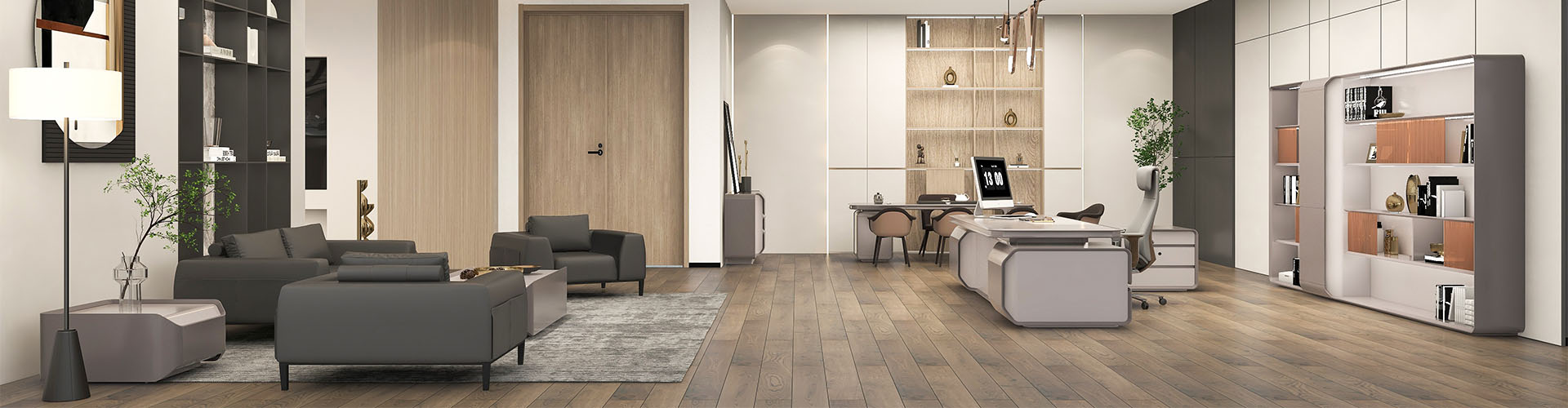
Which Office Furniture Trends 2026 Are Moving Workplaces from Smart Desks to Responsive Spaces?
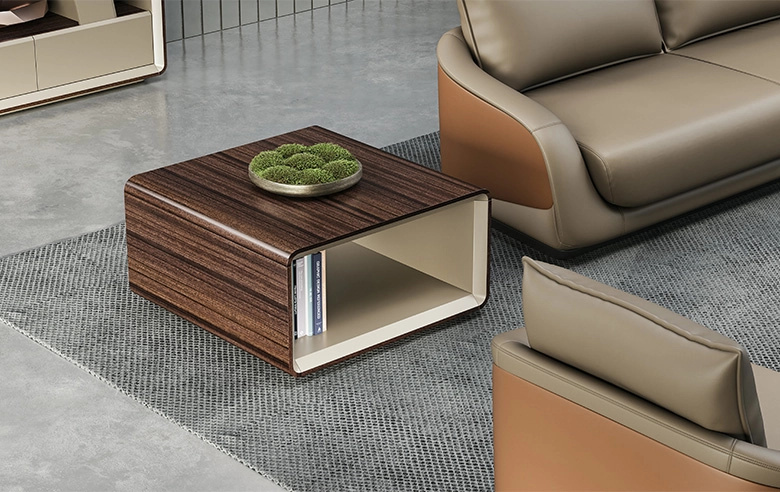
Corporate offices are slowly but surely moving away from those old, static floor plans. Just a few years back, sticking a basic electric motor on a heavy wooden desk was entirely enough to call a workspace “smart.” But right now, single pieces of tech-heavy equipment really fall short of what modern companies actually need on the ground. The most prominent office furniture trends 2026 point toward a much broader idea: fully responsive spaces. Organizations desperately need environments that can physically shift and react to whatever different departments are doing at 2 PM versus 9 AM.
If your accounting team suddenly needs to drop their quiet spreadsheet work for an urgent all-hands huddle, the physical hardware in that room has to change instantly. You should not have to submit a long ticket to the facilities management desk just to move a heavy table across the room. Makers like GOJO Office Solution are building hardware setups specifically to fix this exact, annoying gap. Instead of just dropping isolated desks into a room, the whole focus today lands on connected furniture systems that let you reconfigure the space right then and there.
What Office Furniture Trends Drive the Shift to Responsive Spaces?
Space planning used to mean bolting heavy, expensive structures straight to the concrete floor. That basically dictated how a room would be used for the next ten years. Agility dictates commercial real estate decisions now. The hardware sitting inside the room has to match the messy, fluid nature of the teams actually working in it.
Modular Configurations Accommodate Dynamic Teams
Keeping up with modern office furniture trends means recognizing that fixed layouts create massive bottlenecks during busy workdays. Sure, a giant oak conference table looks great and projects authority to visiting clients. However, it quickly becomes a huge physical obstacle when a project team needs to break into three smaller groups for a quick brainstorming session. Modular setups strip away all that stubborn rigidity. Desks rolling on heavy-duty casters, movable partition screens, and sectional seating blocks let workers tear down and rebuild their immediate environment in about ten minutes.
This kind of physical flexibility directly hits the bottom line of real estate overhead. Commercial rent is still a massive, painful expense for B2B enterprises worldwide. If a room serves only one rigid purpose, that expensive floor space just sits empty for hours on end. Responsive setups mean your morning training room easily becomes an afternoon open collaboration hub.
Table 1: Efficiency Metrics of Responsive vs. Traditional Layouts
|
Metric Area |
Traditional Static Furniture |
Modular Responsive Furniture |
Impact on Daily Operations |
|
Reconfiguration Time |
4 to 8 hours (needs IT support) |
10 to 15 minutes (user-adjusted) |
Cuts out costly downtime for layout changes. |
|
Space Utilization Rate |
45% to 50% |
75% to 85% |
Gets more working value out of every single square foot. |
|
Hardware Lifespan |
5 years (outdated as teams grow) |
10+ years (scales with team changes) |
Lowers the frequency of big, painful equipment buys. |
Intelligent Ergonomics Prioritize Continuous Comfort
Good ergonomics goes way beyond just buying a chair with some lumbar support built into the backrest. Inside a truly responsive space, the entire workstation operates together to support human posture. Think about it for a second. If your desk height does not match where your monitors are placed, the neck strain you get totally ruins the benefits of that expensive chair you bought. System-wide ergonomics coordinate the desk surface, how you sit, and your visual angles into one single, comfortable setup.
The main focus here rests on micro-adjustments. Everyone is built differently. People have wildly varying heights, different arm reaches, and completely distinct daily working habits. Furniture systems have to handle all these differences without forcing people to mess around with complicated, sticky manual levers under the desk. The core about us philosophy of top-tier makers centers on building these smooth physical transitions. The ultimate goal is keeping the user physically comfortable and supported straight from their first morning coffee to the final meeting of the day.
How Does Responsive Furniture Enhance Workplace Productivity?
There is a very direct, mechanical link between physical surroundings and employee output. A poorly designed environment introduces subtle frictions. Glare on a screen, loud ambient noise, or lower back pain will quickly drain anyone’s concentration. Responsive furniture actively removes these daily physical barriers.
Flexible Zones Facilitate Seamless Collaboration
Following current office furniture trends helps set up distinct working zones without having to build permanent drywall partitions. Open-plan offices suffer from one very obvious and frustrating flaw: constant noise pollution. When a loud sales team shares the exact same open air as software developers trying to write code, overall productivity drops like a rock. Acoustic screens, high-backed sofas, and mobile whiteboards work as actual physical boundaries. They absorb ambient sound and clearly define what a specific area is meant for.
For example, a marketing team can just roll a mobile TV unit and three padded acoustic panels together to make an instant project pod right in the middle of the floor. As soon as the meeting wraps up, those panels slide away to open the floor completely back up. This fluid zoning lets high-energy, noisy collaboration happen just a few feet away from deep-focus workstations without people driving each other crazy.
Adaptive Workstations Reduce Physical Fatigue
Musculoskeletal fatigue is a massive, hidden drain on corporate output. Sitting in the exact same static posture for hours limits blood flow, cuts down oxygen reaching the brain, and basically guarantees that 3 PM energy crash. Desks that physically move and adapt keep employees active. Moving from sitting to standing forces you to shift your posture, which wakes up different muscle groups and gets the blood moving again.
Workstations that come with programmable memory settings take this idea a whole lot further. When someone walks back to their desk after lunch, hitting just one button returns the surface to their exact, pre-set height. This completely removes the annoying guesswork of trying to manually find that comfortable sweet spot again. By cutting down the physical toll that standard office work takes on the human body, companies notice their people stay focused much later into the afternoon.
How Do Design Aesthetics Influence Workspace Functionality?
A lot of businesses ignore office furniture trends until they notice clunky, outdated designs create a psychological drag on the workforce and eat up way too much valuable footprint. Aesthetics often get pushed aside as secondary concerns when B2B buyers look at hardware procurement. But the actual visual language of a workspace dictates how people move around and function inside it.
Minimalist Structures Maximize Office Layouts
Thick modesty panels and massive, blocky desk legs consume physical space and make a perfectly good room feel tight and cramped. Minimalist structures use high-strength steel and aluminum to achieve serious load-bearing stability, but they use a fraction of the actual material. These thin profiles open up the sightlines straight across the office floor, making spaces look much larger and definitely more inviting.
This drop in bulk has real, practical results. Thinner desk legs mean office chairs can tuck entirely underneath the surface, which noticeably widens the walking paths between rows of desks. People navigate the office faster. The night cleaning crews can do their job without bumping into obstacles every two seconds.
Integrated Cable Management Clears Visual Clutter
Modern digital work requires a lot of power. Laptops, a second or third monitor, phone charging pads, and network cables usually create a chaotic, dusty web of wiring hanging off the back of a desk. Exposed cables look terrible to visiting clients and create genuine tripping hazards for anyone walking by. Responsive furniture treats cable management as a vital structural element, definitely not just an afterthought or a cheap plastic add-on.
Power channels run directly through the desk legs, while heavy under-desk trays keep those bulky power bricks completely out of sight. Surface-mounted grommets give workers immediate places to plug in without having to crawl around on the dirty carpet. For those highly complex wiring setups that need custom channeling, chatting with technical support teams early in the layout phase stops you from dealing with messy retrofitting later on. Having a clean line of sight keeps your mind entirely focused on the screen, not the mess.
In What Ways Does Lingrui Furniture Meet Future Needs?
Procurement teams face a really tough challenge. They have to buy hardware today that will still function flawlessly under the unpredictable working conditions a few years down the road. The best solution lies in selecting platforms designed specifically for scalability and heavy commercial abuse.
Scalable Designs Fit Diverse Corporate Environments
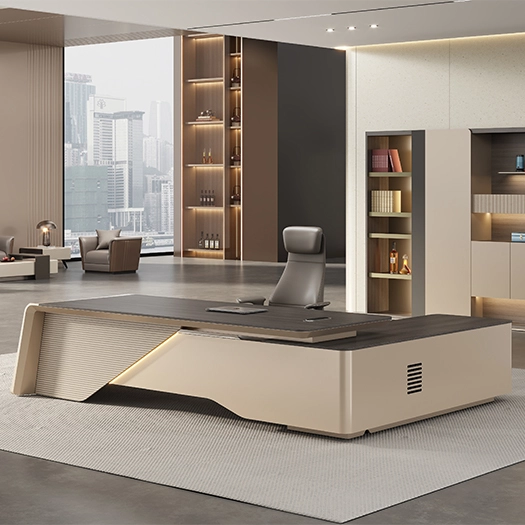
Keeping a cohesive visual look across a large corporate campus actually matters a lot. Buying completely different furniture brands for different departments always results in a chaotic, poorly matched facility. Lingrui Office Furniture handles this specific fragmentation problem beautifully. The product line scales naturally from densely packed call-center rows to large, spacious executive suites, and it does this while keeping the exact same architectural style throughout the building.
If a company signs a lease for a new floor upstairs, they do not have to go hunting for a new vendor. The exact same structural parts expand to fit those new dimensions. The pieces are totally interchangeable. This means a long benching unit can be broken apart into single, freestanding desks just by bolting on a few side brackets. This high level of interchangeability actively protects the money you spent on the initial capital investment.
Premium Materials Guarantee Long-Term Durability
B2B buyers have to look at furniture strictly through the lens of long-term survival. A desk might look incredible in a glossy catalog, but if the cheap laminate starts peeling off after just six months of daily use, that purchase was a massive failure. Commercial spaces subject furniture to heavy, constant abuse. Think about dropped heavy bags, spilled coffee, and the continuous dead weight of multiple monitors.
The physical hardware has to stand up to this daily friction. Dense particleboard cores actively resist warping over time, while commercial-grade melamine surfaces block deep scratches from metal laptops or dropped keys. Heavy-gauge steel frames stop that annoying lateral wobble that always plagues cheaper retail desks.
Table 2: Material Impact on Commercial ROI
|
Component |
Standard Retail Grade |
Commercial Premium Grade |
Maintenance Outcome |
|
Desktop Surface |
Thin paper foil / basic PVC |
High-pressure laminate / Melamine |
Fights off coffee rings, pen marks, and daily friction. |
|
Frame Structure |
Thin-wall hollow aluminum |
Heavy-gauge cold-rolled steel |
Stops the desk from shaking when you type hard. |
|
Edge Banding |
0.5mm glued PVC |
2mm laser-fused ABS |
Keeps the edges from chipping when office chairs bang into them. |
Corporate buyers trying to future-proof their buildings really need hardware that meets these tough specifications. If you want to dive into detailed layout plans or ask about bulk procurement, getting in touch via a direct contact channel is absolutely the fastest way to start upgrading an old facility.
The push toward more agile working environments is not just a passing fad. Office furniture trends in the near future will heavily punish companies that stick to rigid, stubborn floor plans. By leaning heavily into modularity, strong materials, and real ergonomic support, organizations can build physical workspaces that actually help push their daily operations forward instead of holding them back.
FAQs
Q: What are the main office furniture trends shaping corporate spaces right now?
A: The biggest shift is moving toward responsive, highly modular environments. Your furniture needs to move around easily, adapt to different daily tasks on the fly, and blend perfectly with digital hardware so teams can reconfigure their space fast.
Q: Why is cable management seen as a necessary structural feature?
A: It goes way past just looking nice. Tangled cords cause people to trip and slow down the IT team when they need to fix something under the desk. Built-in cable routing keeps the actual work surface completely clear, protects your expensive wiring, and looks much more professional when clients visit the office.
Q: How do modular systems actually lower real estate costs?
A: Modular setups let one single room handle multiple different jobs. A space might work as a formal training center at 9 AM and then break apart into separate, quiet workstations by 2 PM, which means you are getting maximum value out of every single square foot you rent.
Q: What role does minimal design play in making an office work better?
A: Minimalist designs rely on stronger, much thinner materials to hold up heavy equipment without eating up excess floor space. This literally opens up the walkways, helps air flow better, and lets you fit more desks into a room without making anyone feel cramped or boxed in.
Q: How do adaptive desks change daily business operations?
A: Desks that quickly shift up and down reduce the physical strain on the people using them. When physical fatigue drops in the afternoon, people’s concentration levels stay steady. This usually leads to fewer mistakes and much more consistent work output throughout the entire day.


