

Why Does My Office Chair Keep Going Down? Quick Fix or New Chair?
You sit down at your desk with a fresh cup of coffee, completely ready to tackle a heavy workload. Ten minutes later, your knees are strangely close to the underside of the desk. You grab the plastic lever, pull yourself back up to a normal height, and try to focus again. Another ten minutes pass, and you sink right back down toward the floor. If you are typing the exact phrase why does my office chair keep going down into a search engine right now, you are definitely not alone in this struggle.
This specific mechanical failure ruins daily productivity for remote workers and corporate staff alike. Let us look at what actually causes this frustrating drop, how you might rig a temporary solution, and how to tell if it is finally time to upgrade your workspace entirely.
Why Does My Office Chair Keep Going Down Unexpectedly?
Faulty Pneumatic Gas Cylinder
Almost every modern piece of seating relies on a pneumatic gas cylinder to manage vertical adjustments. This thick metal tube houses a tightly sealed chamber filled with pressurized nitrogen gas. When you pull the height adjustment lever, a small metal pin opens an internal valve, allowing the gas to move and shift your vertical position. The entire system relies heavily on thick rubber seals to trap that gas inside the chamber. The reality is that rubber naturally degrades over time.
Once those internal seals dry out, crack, or tear, the pressurized gas slowly escapes. Without that internal pressure actively pushing against your body weight, gravity simply takes over and pulls you down.
Excessive Wear and Tear
Before you dive into complex repairs to answer why does my office chair keep going down, you have to look at the sheer amount of abuse these components take every single week. Constant bouncing, adjusting the height multiple times a day, and sitting for eight hours straight puts extreme physical stress on that internal valve. Manufacturers grade these lift cylinders by specific classes. Cheaper furniture usually features Class 1 or Class 2 cylinders. These lower-tier parts use thin metal walls and cheap plastic seals that frequently fail after a single year of heavy adult use. Higher grades, like Class 4, cost a bit more upfront but handle heavy daily compression without buckling under the pressure.
How Can You Temporarily Fix a Sinking Chair?
Applying a Hose Clamp
When people figure out why does my office chair keep going down, their first instinct is usually a cheap hardware store repair. A highly popular temporary trick involves buying a basic metal hose clamp and a short piece of thick PVC pipe. You measure the exposed metal rod of your cylinder when you pull it up to your preferred height. Then, you cut the PVC pipe straight down the middle, wrap it around the metal rod, and tighten a steel hose clamp tightly over it.
This essentially acts as a rigid physical block, completely stopping the seat from sliding down into the base. The obvious downside is that you completely disable the lifting mechanism. Your seat becomes permanently locked at one rigid height forever.
Replacing the Damaged Cylinder
The other popular route involves ordering a standalone replacement gas spring online and swapping out the broken part yourself. This sounds incredibly simple in theory. In practice, you usually end up sweating on the floor, heavily banging the bottom of the seat with a large rubber mallet. Over years of use, the metal cylinder essentially fuses into the plastic star base and the bottom metal seat plate. You will absolutely need penetrating lubricating oil, a large pipe wrench, and a lot of physical strength to pry the old pieces apart. You also run a very real risk of permanently cracking the plastic star base with your hammer during the violent removal process.
| Repair Route | Average Upfront Cost | Physical Time Required | Long-Term Ergonomic Result |
|---|---|---|---|
| PVC Pipe & Clamp DIY | $5 to $10 | 15 Minutes | Very Poor (Locked at one rigid height) |
| Manual Cylinder Swap | $25 to $45 | 1 to 2 Hours | Moderate (Depends heavily on old base parts) |
| Premium Replacement | Full purchase price | Zero | Excellent (Lab-tested stability) |
When Is It Time to Invest in a New Office Chair?
Constant Need for Repairs
You have to carefully weigh the financial realities of fixing cheap furniture. A decent replacement gas spring costs around twenty to thirty dollars. However, if your lift mechanism is completely shot, chances are the rest of the components are also actively failing. Look closely at your current setup. Are the armrests wobbly and loose? Has the seat cushion lost its density, leaving you sitting on hard plywood? Do the plastic casters drag and scratch your floor? Spending time and money to fix a single metal tube on a piece of furniture that is already falling apart is simply a bad financial move.
Decline in Daily Ergonomic Support
Working on a compromised surface physically hurts your body. When your seat slowly drops down over the course of an hour, your viewing angle to your computer monitor changes drastically. You end up tilting your chin up and slouching your shoulders forward to compensate for the lower position. This creates severe neck strain and lower back pain because the built-in lumbar support no longer hits your spine in the correct spot.
You might find yourself wedging a folded piece of cardboard into the plastic base just to finish a video call without disappearing off the bottom of the screen. When your equipment forces you into an unhealthy, painful posture, throwing it out becomes a basic necessity for your physical health.
Why Are GOJO Office Chairs the Ultimate Replacement?
Rigorous CNAS Laboratory Testing
If you are tired of dealing with sinking seats, you need to look at brands that treat furniture manufacturing like heavy industrial engineering. GOJO was born in 2016 and is a modern high-end business office furniture brand strongly developed by Huasheng Group. They avoid standard mechanical failures because they prove their structural durability in a dedicated laboratory established back in 2013.
Covering around 500 square meters and housing 75 main testing machines, this facility subjects their products to over 80 reliability physical and chemical testing projects. A product does not reach your home until it survives extreme pressure and repetitive stress tests, stopping the annoying sinking issue before it ever happens. You can browse their main spatial solutions directly at their GOJO homepage.
High-End Business Comfort and Design
Replacing broken items should feel like a major upgrade, not a chore. This manufacturer operates heavily on the positioning of “High Quality Zhuo Tian Xia”, aiming to deliver excellent quality to the world. Their commitment to high-level functionality and unique aesthetics is backed by over 300 patents, which directly includes 7 invention patents, 83 utility model patents, and 303 appearance patents. When you sit down, you get the benefit of thick, high-density padding and structurally sound metal bases that easily hold their height position year after year.
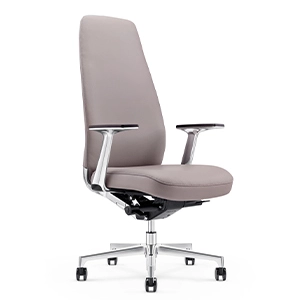
Instead of fixing garbage, you can check out their premium office chair collection to find a permanent, aesthetically pleasing upgrade for your daily routine. If you need specific sizing or want to discuss a bulk office order, you can reach out to their team directly via their contact portal.
Dealing with why does my office chair keep going down is a frustrating distraction that pulls your attention away from actual work. While a quick trip to the local hardware store for a cheap pipe clamp might get you through a busy Tuesday afternoon, it is never a smart long-term solution. Your back, your neck, and your daily productivity require stable, reliable physical support.
By recognizing when a piece of cheap furniture has reached the absolute end of its lifespan, you can make a smart move toward premium, lab-tested replacements that keep you elevated and focused.
FAQ
Q: Exactly why does my office chair keep going down after only six months?
A: If it drops that quickly, the manufacturer likely used a cheap Class 1 or Class 2 gas lift mechanism. The internal rubber seals cracked early under your daily body weight, letting the pressurized nitrogen gas escape completely.
Q: Can I manually refill the gas inside the cylinder?
A: No. The nitrogen gas is heavily pressurized and permanently sealed at the factory level. Trying to drill into it or manually refill it is incredibly dangerous and will not work.
Q: Will a simple metal hose clamp damage the plastic base?
A: It usually will not damage the base itself, but it completely ruins your ability to change heights. The metal clamp violently grinds against the cylinder rod, scratching it deeply and locking you into one single position permanently.
Q: How do I remove a completely stuck gas spring?
A: You have to flip the seat upside down, spray penetrating oil generously where the metal meets the plastic star base, wait twenty minutes, and hit the bottom edge of the metal tube forcefully with a rubber mallet.
Q: Are high-end models truly immune to sinking?
A: High-end models use heavy-duty Class 4 cylinders and undergo rigorous laboratory stress testing. While no mechanical part lasts for eternity, premium models are engineered to hold their internal pressure perfectly for many years of heavy commercial use without dropping an inch.


