

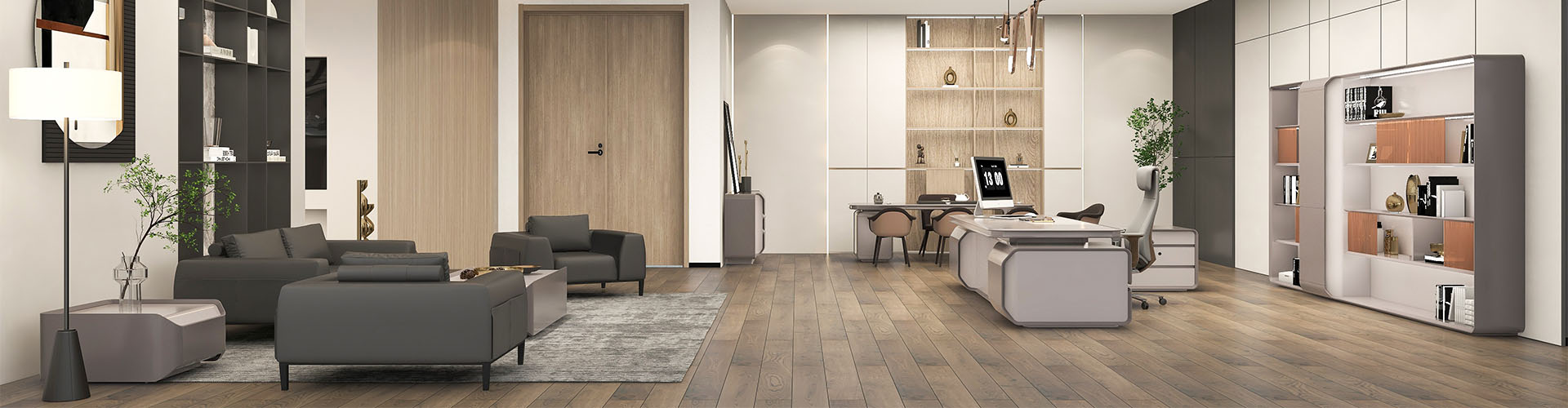
Adaptive Workspaces: Why Ergonomic Sensors and Circadian Lighting are the New Essential Home Office Equipment Standards
The basic idea of a “professional workspace” has changed quite a bit recently. By 2026, the line between your body’s health and the work you do on a computer has become very thin. You aren’t just looking for a simple desk or a wooden chair anymore. Instead, you want a room that actually reacts to you—a “bio-responsive” spot that truly helps your body feel good while you work. As working from home becomes a normal part of life for people all over the world, the goal has moved from just being “okay” to creating “Adaptive Workspaces.”
This big shift is mostly happening because of two cool pieces of tech: ergonomic sensors and circadian lighting. These aren’t just fancy ideas for science movies anymore. They are the new starting point for anyone who wants to stay productive and keep their brain healthy for a long time. GOJO has been a leader in this change, making smart tools that treat your home office like a living part of your own body.
Moving Away from Old Furniture to Smart Systems
For a long time, advice about sitting at a desk was pretty boring and the same for everyone. People told you to sit perfectly straight at a 90-degree angle, keep your eyes level with the screen, and stand up every hour. But there is a big problem with that: humans don’t stay still. Your body moves as you get tired, and your energy goes up and down depending on where the sun is in the sky. An old, still chair just can’t fix a problem that is always changing.
The new way of doing things needs equipment that can feel you are there and change itself right away. This is where “Active Ergonomics” really changes how your day feels. Instead of you having to fix your chair or desk all the time, the furniture fixes itself for you. By putting smart parts right into the office gear, GOJO makes sure your environment works just as hard as you do. This mix of smart hardware and human life is the main part of the 2026 work standard.
Smart Sensing: Getting Out of the “Sitting Still” Trap
The “sitting trap” is the biggest problem for people who work with their brains today. Even if you have a really nice seat, staying in the exact same spot for eight hours makes your blood move slower and hurts your muscles. Smart sensors fix this by making your furniture act like a health-tracking center.
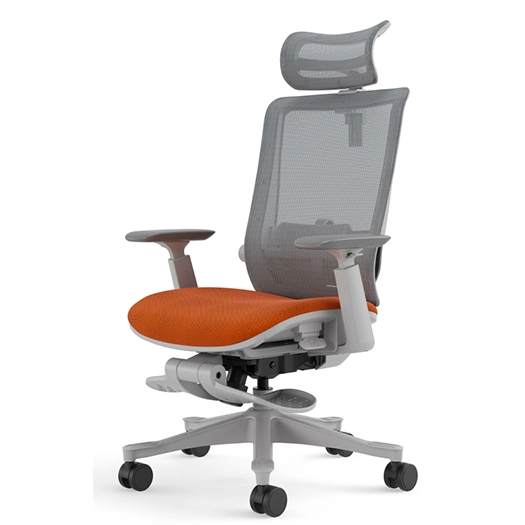
When you use high-tech tools like the ergonomic chair, you aren’t just sitting down. You are actually talking to a system built to keep your back straight. These sensors watch where your weight is and how much pressure is on the seat and the back. If you start to slouch or lean to one side—which we all do when we are working hard on a tough project—the system gives a tiny vibration or changes the lumbar support by itself.
Helping Your Back Before It Hurts
Instead of waiting for your back to start hurting to tell you something is wrong, these sensors find the tiny movements you make when you are starting to get tired. You get smart info that helps you keep your body in great shape all day long. This smart step stops the slow damage that happens when you use old-fashioned “dumb” office furniture that doesn’t know you are there.
Automatic Settings When You Are There
Sensors also help manage your energy and the room’s power. Your workspace can tell when you sit down, and it will immediately change to the desk height and light levels you like best. When you walk away for a quick snack or a meeting, the system goes into a “green” mode to save power. This smooth change lets you think only about your work without having to mess around with buttons or heavy handles.
Circadian Lighting: Making Your Workday Match Your Body
While how you sit is super important, how clearly you think is mostly about light. Your brain uses light to know what time it is—this is called your circadian rhythm. It is like an inner clock that tells you when to be wide awake and when to go to sleep. Most basic LED office lights give off a steady, “blue” light all day. This confuses your inner clock, making you feel super tired in the afternoon and keeping you awake at night.
New standards say that lights should act like the sun. This isn’t just to make the room look pretty; it is about how your body works inside. By changing the color and brightness during the day, you can control your energy levels. This makes sure you are sharp when you need to focus and ready to relax when the sun goes down and your work is done.
The Simple Science of Light Color
In the early morning, your office should have bright, cool blue light. This helps wake your brain up and makes you feel alert. As the day goes on, the light should slowly get warmer, turning more yellow or orange. This change tells your body that it is time to slow down, so you don’t feel “awake but exhausted” when it is finally time to go to bed at 8:00 PM.
Helping Your Eyes Stay Relaxed
Beyond just sleep, good light is better for your eyes. Very good options, like the VEY series, use technology that doesn’t flicker and shows colors correctly. This stops your eyes from getting tired. It means you can read small words on a screen or look at data for a long time without getting those annoying headaches that come from cheap, buzzing lights.
Bringing Light and Furniture Together
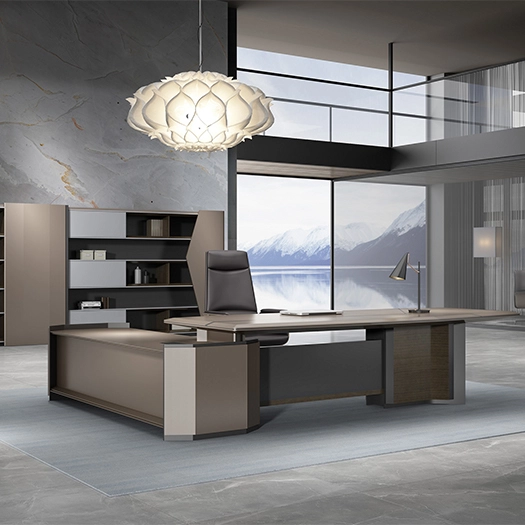
The real magic of a smart workspace happens when the sensors and the lights talk to each other. In a place set up by GOJO, these parts work as a team. For example, if the chair sensors see that you have been sitting in a very focused way for over 90 minutes, the lights can change just a little bit. This gives your eyes a tiny “break” and reminds you to blink and take a deep breath.
This whole system creates a “comfort bubble” around you. You aren’t fighting against a hard chair or bad lights to finish your work. Instead, your room is taking away the stress that makes people feel burned out. For big companies, this means workers who are not only faster but also much healthier. It saves money because people don’t get hurt or sick from sitting in bad ways for years.
Buying Something for Your “Future Self”
When you look at equipment for your home office, you have to stop thinking of it as just spending money. It is a long-term plan for your most important tool: your own body and your ability to think well. A cheap, plastic chair or a bad desk lamp is a problem that will eventually cost you focus, energy, and physical health.
Picking professional tools from the GOJO official website shows that you care about the high standards of 2026. You are choosing a workspace that knows how the human body works, guesses what you need, and changes to fit your specific style. In a world where how well you work depends on where you work, picking anything less than this smart technology is just not a good idea anymore.
Support and Expert Help
Setting up a high-tech office might seem a bit confusing, but you don’t have to do it by yourself. GOJO has plenty of help to make sure everything is set up just right for you.
Personal Tips: Our experts can help you pick the right furniture with sensors that fit your body height and how long you usually work each day.
Easy Tech Setup: We can show you how to make your lights match your own time zone and your other smart home gadgets.
Help Everywhere: No matter where you live, our global team makes sure your gear stays updated and works perfectly with the latest software for your sensors.
Contact us today through the chat on our website or send an email to our team. Start building an office that actually cares about you.
FAQ
Q: Do I really need these sensors if I already have a pretty good chair?
A: Even the best manual chairs can’t tell when you are doing something wrong. Humans make mistakes and forget to sit right. Sensors give you live help and move things for you automatically. They turn a regular chair into a health coach that keeps you in a safe position all day long.
Q: Is it hard to set up the special lights in a normal room?
A: No, it is very easy. Most of these systems are “plug-and-play,” which means you just turn them on and they start working. They use GPS to find out where the sun is in your city and change the light colors by themselves. It’s meant to make your life easier, not harder.
Q: Will this technology make my electric bill go up a lot?
A: Actually, it usually saves you money! Because the sensors know when you are at your desk, the lights and other features turn off when you leave the room. By not wasting power when you aren’t there, you create a workspace that is good for the earth and good for your wallet too.


