

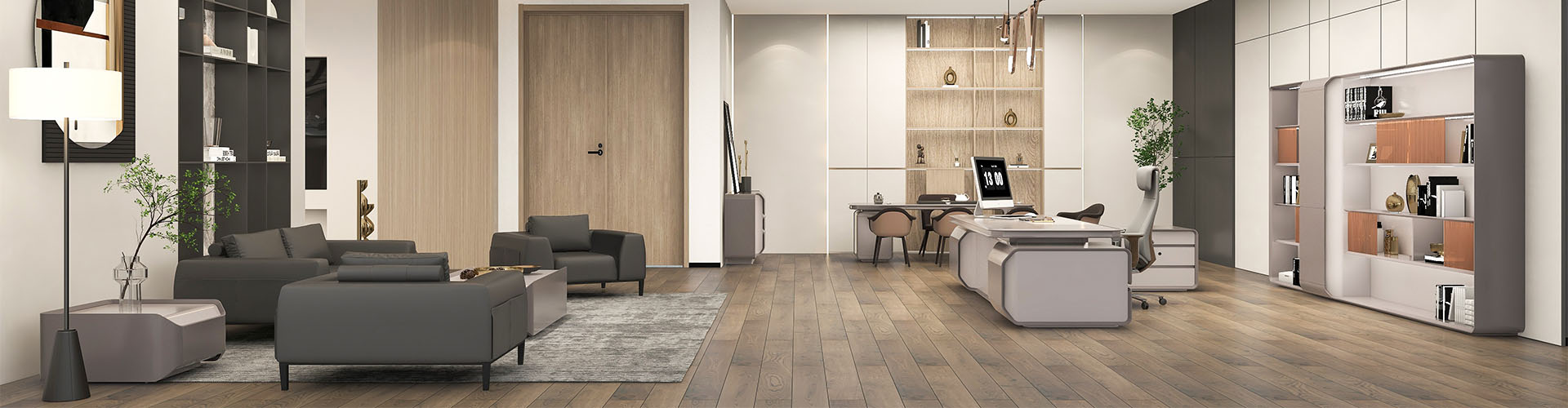
Top 7 Office Furniture Trends 2026: From Smart Desks to “Sentient” Spaces
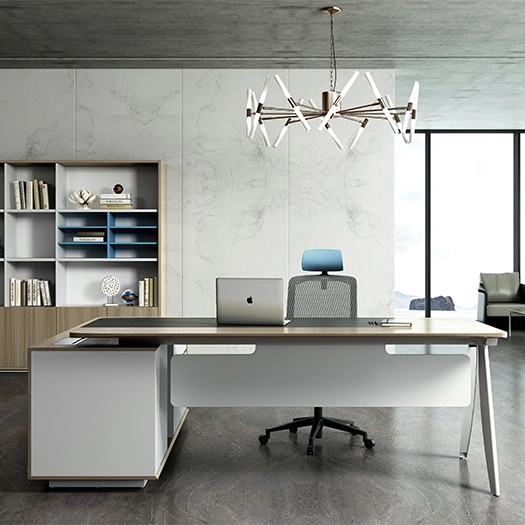
Today’s work areas go far beyond fixed walls of small desks or basic items for use. As 2026 gets closer, the line between job spaces and cozy home setups fades away. You probably see your office turning into a “sentient” area, one that senses your body needs, matches your style choices, and helps your mind stay calm and strong. This change makes the place feel alive and tuned to you, not just a spot to sit.
Before we look at the key shifts set to shape next year, it’s good to learn about the group leading this change. If you need a helper to fill blank rooms with real purpose, GOJO is the skilled team for the job. More than a plain maker, GOJO serves as a forward-thinking guide for today’s workers. They go past selling chairs and tables; they shape full experiences. For a new business starter building a team spot or a company leader wanting a calm work haven, GOJO uses a people-first method for every bit of space. They mix strong building stuff with a clear sense of how folks shift, think, and connect. Picking them means you get more than tools; you build a work area that matches your goals and looks after your group like close kin. This approach keeps things practical yet warm, fitting small teams or big firms alike.
This strong focus on people drives the main patterns we expect in 2026. We can now check how these moves will reshape your work spots and daily tasks.
1. The Rise of “Sentient” Environments and Invisible Tech
The big change in 2026 moves from “smart” setups to “sentient” ones. Smart items need you to push a switch, but sentient areas act on their own to fit you. Picture a table that raises or lowers to match your back position, or a room that changes lights as the sun moves later in the day. Tech now hides well, built right into the wood lines or cloth patterns. This makes the space feel natural, without gadgets sticking out and breaking the flow.
This pattern aims to cut down “digital hassle.” You won’t search for power wires or fight messy cords anymore. Top leader desks now come with built-in no-wire charge spots and secret paths for cables as normal parts. All this keeps the top clean and simple, helping you think sharp without tech mess in the way. By clearing these little daily bothers, the items let you put all your brain power into big choices and plans. It turns the desk into a quiet helper, boosting your work without drawing notice.
2. The “Resimercial” Shift: Professionalism with a Human Touch
You might know the word “resimercial,” but by 2026, it grows past adding a couch to the front area. It’s really about pulling in the soft feel, rough touches, and heart of home life to the tough job world. This idea knows you do better when relaxed. Sharp, plain metal fades out; friendly wood covers, dull shines, and touchable sides take over. These picks make the office welcoming, like a spot you’d stay in longer without stress.
A clear case of this mix is the Kanuo leader line. It grabs the core of 2026 style by joining a strong work look with the gentle, open shapes of current home builds. When you take a seat at one of these, you sense the power of a top boss, but the kind material stops the area from seeming cold. It builds a mood of “calm high-end” that wins over visitors while keeping you steady through full days. This setup works for meetings or solo tasks, blending strength and ease in one piece.
3. Advanced Ergonomics: Beyond Simple Support
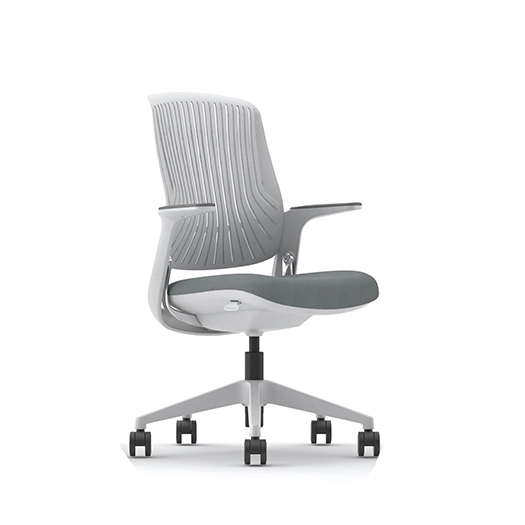
For a long time, body fit was just a list: height change, back rest, and side arms. In 2026, the pattern turns to “active wellness.” The aim isn’t only to stop aches, but to help your body get better as you stay seated. New seats use bendy stuff that spreads your weight right away, matching the small shifts you do all day. This keeps you moving a bit, not stuck in one spot.
The newest ergonomic chairs show the high point of study and ease. These don’t make you fit the seat; they use soft plastic frames and tight net to follow your back’s normal bend. You’ll notice these seats push “active pose,” where your middle stays a touch active and your blood keeps flowing well. This stops the late-day tired drop and makes sure you walk out as loose as you came in. Over time, it builds better habits, cutting down on long-term body strain from desk work.
4. Adaptive and Modular Layouts for Fluid Teams
The 2026 work spot has to move quick like the business world does. Stuck, big items become a problem when group sizes and job asks switch every week. Now the pattern likes parts that change easy but don’t seem cheap or short-term. You want items you can shift in moments, from a lone think area to a group plan spot. This keeps up with how teams form and break fast.
Teams reach this easy change with link-up table groups and rolling hold boxes that work as wall splits too. When you pick changeable pieces, you guard your space for years ahead. Grow your crew without full rebuilds, and make “areas” in the office for different folks, quiet types who need peace and talkers who like quick chats. It fits remote mix-ins or full office days, always ready for the next shift.
5. Sensory-Friendly Spaces and Emotional Management
Tough work spots need good ways to bounce back. 2026 brings “sensory-easy” plans. This covers how a place hears and touches, not only sights. Noise-cut cloths and sound boards now build into items to make calm corners in big open rooms. These quiet spots let you step away without leaving the floor.
Colors change too. Expect more “nature-like” shades, such as red clay, soft green, and rich brown, which tests show drop stress chemicals. By going for items in these earth tones and smooth feel sides, you make a shield from phone buzz and close due dates. It’s about building a work area that guards your calm thoughts. This setup helps teams stay sharp, cutting down on burnout from constant noise and rush.
6. Sustainability as a Core Metric of Quality
In 2026, green ways aren’t just talk; they’re a must for good items. You think more about how long your work stuff lasts. The pattern leaves quick-buy office gear for pieces meant to work twenty years. This long view saves money and cuts waste over time.
It uses low-air harm covers to keep the room air fresh, and picks stuff that’s reused or grown right. Strong build means less trash in dumps. Choosing a solid table or seat sends a green message and a smart money one, since tough items beat buying new all the time. For companies, it shows care for the planet, drawing in workers who value that stand.
7. Biophilic Integration 2.0: The Living Office
The last pattern for 2026 blends nature smooth. We pass the “plant on table” step. The fresh “Living Office” puts real nature parts into the item builds. Think hold boxes with grow spots inside or tables set to let sun light pass free. These touches bring outside in, making the inside feel fresh.
The mind side is clear: people need links to nature deep down. When your work spot copies wild shapes and roughs, your new ideas grow, and tired feelings drop. It makes the job place a spot folks want to join, not just show up for duty. This pull boosts team mood and output, turning the office into a real draw for talent.
Conclusion: Designing for the Future
All 2026 patterns aim at one thing: turning the office more people-friendly. By taking in aware tech, home-work styles, and better body fits, you make a spot that doesn’t just hold staff but sparks them. This leads to higher drive and fresh ideas from the group.
Putting money in top picks like GOJO offers keeps your work area fresh, well, and useful for years. From the strong grace of a new leader table to the big-help ease of a strong seat, each pick now sets your company’s feel later. It builds a culture of care and growth, fitting the fast world ahead.
FAQ
Q: What is the most important factor when choosing a new office chair for 2026?
A: The focus should be on “dynamic support.” Look for a chair that adapts to your movement in real-time rather than one with static settings. High-quality mesh and a synchronized tilt mechanism are essential for maintaining energy levels during long workdays. These features keep you alert and cut down on end-of-day soreness, making daily tasks smoother.
Q: How can I make my existing office feel more “resimercial”?
A: Start by introducing warmer textures and organic colors. Swap out harsh metal storage for units with wood-grain finishes, and replace cold plastic guest seating with upholstered fabric chairs. Adding soft lighting and acoustic-dampening materials also helps bridge the gap between home comfort and professional focus. Small steps like these can transform a plain space into one that feels inviting and productive without major costs.
Q: Is modular furniture durable enough for a busy corporate environment?
A: Yes, provided you choose commercial-grade systems. Modern modular furniture is engineered with high-density materials and reinforced joints specifically designed for frequent reconfiguration. It offers the same stability as traditional furniture but with the added benefit of long-term flexibility. This makes it ideal for growing businesses where needs change often, ensuring it holds up under heavy daily use.


