

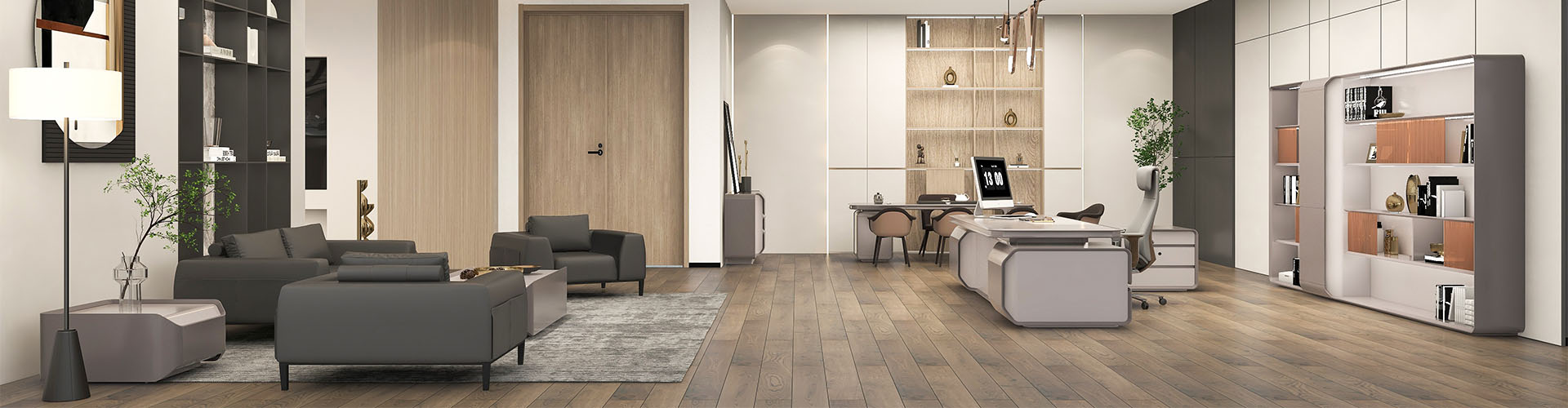
What Should You Consider Before Planning Your Office Layout?
Planning an office layout is a big deal for any business. A good setup helps people work better, feel happy, and stay healthy. It’s not just about picking nice office furniture but making smart choices about space, light, and teamwork. Whether your office is small or large, the way you arrange it can change how your team feels and performs. GOJO offers solutions that make offices flexible and cozy. This article explores what to think about when designing your office, from furniture placement to creating a space that fits your team’s needs and your company’s style.
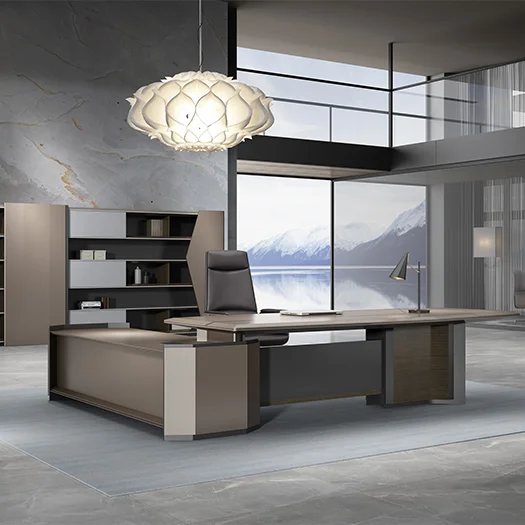
Why Spatial Efficiency Matters More Than Square Footage When Designing an Office for Productivity
A big office might sound great. But using space wisely is what really boosts work. Small offices need smart planning to make every inch useful and save cash. This works for any office size. If you have 300 m² or 600 m², focus on a layout that uses every meter well. You can do this with clever zones, shared areas, and bendy office furniture.
How the Nature of Your Team’s Work Influences Furniture Placement and Layout Flow
Your team’s job style shapes how you place office furniture. For example, creative groups love open spaces that make chatting easy. But finance or legal teams need private areas for secret tasks. This is common in startups or design studios. Teams that collaborate a lot should sit close together. Quiet spots are best for jobs needing deep focus.
Which Environmental Factors—like Lighting, Movement Paths, and Acoustics—Impact Layout Decisions
Lighting, noise, and walking paths affect comfort and work. Good lights, calm spaces, and clear routes are key. Use natural light when possible. It keeps eyes relaxed and cheers people up. Also, open paths for walking cut distractions. They help people move easily between work areas.
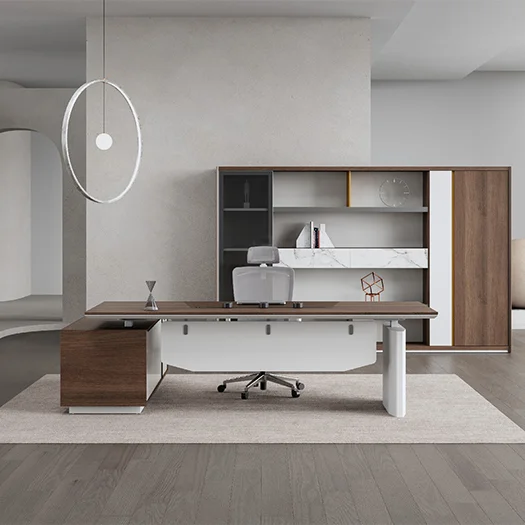
How Can Furniture Arrangement Directly Affect Team Performance?
The positioning of desks, chairs, and collaborative zones directly shapes communication and focus.
Placing desks and group work areas smartly can make talking smooth or cause problems. Desks don’t need to be straight or boxy anymore. Triangle desks or ones with rounded edges make spaces feel warm. Grouping desks in clusters helps teamwork. But you need enough room to stop noise from spreading.
Poorly arranged furniture creates workflow bottlenecks and reduces morale.
If desks are too tight or storage blocks paths, work slows down. Office furniture should match the office’s needs. The setup should let people see and reach areas easily. Bad layouts waste time and upset workers.
The choice between open layouts and segmented zones depends on the specific functions and communication needs of each department.
Open layouts make talking quick and free. But they don’t fit every job. Private zones with walls or dividers give quiet spots for secret work. The office can have a welcome desk, meeting room, shared work zone, break area, private offices, conference spaces, and leader offices. This lets each team work in a space that suits them.
What Role Does Ergonomic Design Play in Daily Operations?
Ergonomics extends beyond comfort to encompass long-term health and efficiency.
Ergonomic office furniture eases body strain during long hours. Desks with smooth, curved edges look good and feel nice to use. They fit how the body moves. This reduces injuries like wrist aches or back pain.
Chairs and desks you can adjust for height let workers set up their space to fit their body. The Executive desk YUP-DEE-2420 2400W×2060D×760H and Executive desk YUP-DEE-2220 1400W×1300D×750H offer sizes for different people. These ergonomic designs support good posture and save energy all day.
How Do You Balance Collaboration with Privacy in Shared Spaces?
Flexible Furniture Solutions Enable Both Teamwork and Individual Focus
The secret is using furniture that can change. Movable desks or seats you can shift let teams switch between group work and solo tasks. GOJO’s filing cabinets use a modular design. This makes a flexible storage system that fits different needs.
Movable Dividers, Modular Seating, and Multi-Use Furniture Enhance Adaptability
Things like sound-blocking panels or movable walls let workers control privacy without big office changes. Drawer cabinets, display cabinets, and glass door cabinets can be mixed and matched as needed. Multi-use office furniture, like benches that store stuff, saves space by doing two jobs.
Can the Right Furniture Choice Influence Your Brand Identity?
The Visual Consistency in Office Design Communicates Professionalism to Clients and Staff
Using office furniture that looks alike shows your company’s style to workers and guests. GOJO’s designs give a pro vibe. A matching look makes employees proud and shows clients you mean business.
Color Schemes, Textures, and Material Finishes Align with Company Values
Furniture made from top materials like California oak or Rikyu white tea finish shows your company values quality. GOJO’s filing cabinets use California oak and soft reed ash textures. These simple colors and materials make the space look awesome. They create a special feel for the office.
Where Can You Find Professional-Grade Office Furniture That Adapts to Evolving Needs?
The Scalable Solutions Are Essential for Growing Teams or Changing Workflows
As companies grow or shift work styles, fixed setups stop working. GOJO’s JNO Series offers customizable office furniture that fits various spaces. This series has lots of sizes and styles to match different office needs.
How Do You Maintain Layout Efficiency as Your Organization Scales?
Fixed Layouts Often Fail Under Team Expansion or Departmental Shifts
Fixed office setups don’t work well when teams grow or move. A stiff layout causes trouble during changes or growth.
Modular Systems Allow Quick Reconfiguration Without Disrupting Operations
Modular filing cabinets or desks let you rearrange fast without stopping work. GOJO’s systems let users mix and match to fit new needs. This keeps work flowing smoothly during changes.
What’s the Relationship Between Layout Design and Employee Well-Being?
Thoughtful Layouts Reduce Stress by Supporting Natural Movement Patterns
A smart office layout makes moving around simple. Clear paths to meeting rooms or break areas lower stress. Workers feel great when the office is easy to get around.
Designated Quiet Zones Contribute to Mental Clarity During High-Focus Tasks
Quiet spots or soundproof pods help workers focus on tough tasks. They block noise, which is awesome for jobs like writing or math.
FAQ
Q1: What type of office furniture is best for small spaces?
A: Cubicle-style desks with side panels are popular in small offices. They save space and add privacy.
Q2: Are modular designs worth investing in despite higher costs?
A: Modular designs cost more but last longer. They’re worth it because they adapt to changes.
Q3: What kind of conference room table should I choose?
A: Conference tables come in many shapes. Oval ones are great for meetings.


